

Types of Insulator: A Guide to its Electrical Applications
There are more types of insulator than meets the eye. As barriers, they block electricity’s path to prevent a current leak and direct it where it belongs — like a traffic officer for electrons. But not all of these officers wear the same uniform! For instance, ceramic insulators carry the weight of high-voltage transmission lines on their shoulders, unfazed by sizzling heat or biting cold. Ever considered why plugs and cords are coated in plastic? It’s time to explore a world invisible to the naked eye but vitally significant in ensuring electrical safety. After all, it would be quite shocking otherwise, wouldn’t it be? But don’t worry; the journey is just about to get started. Onwards we go then.
In electrical engineering, the main insulator types include glass, porcelain, polymer (such as silicone rubber), and ceramic. These insulators are crucial for preventing the flow of electricity and maintaining safe electrical conductors in various applications.
Comprehensive Overview of Electrical Insulators
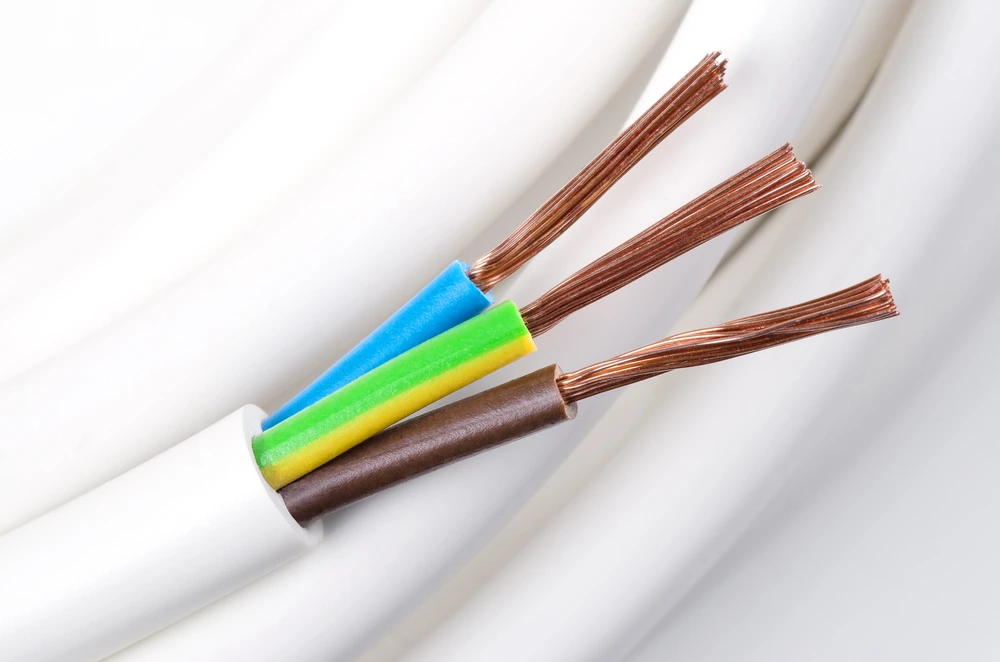
Electrical insulators act as the guardians of the electrical world, ensuring that electricity flows where it’s intended to and not elsewhere. They prevent the flow of electricity through them, guaranteeing that it reaches its destination without leaks.
When you look around, you can find insulators everywhere – from the ceramic mug you drink your morning coffee out of to the glass on your windows. The materials used for electrical insulators are often ceramics, glass, plastics, and silicone rubber. These materials are carefully chosen for their ability to block the flow of electricity in various electrical applications, ensuring safety and efficiency.
For example, in power lines, insulators are essential components that keep the electricity flowing smoothly. If these insulators fail, there could be disruptions in power supply or, worse—accidents due to unexpected surges or leaks. Similarly, insulators play a crucial role in electrical cables and electronic devices by preventing unwanted electrical conduction and maintaining the integrity of the electrical systems they are part of.
Some crucial takeaways about electrical insulators:
- Materials Matter: Different applications call for different types of insulator materials. While glass insulators have a high dielectric strength suitable for overhead power lines (10-20 kV/mm), silicone rubber insulators are known for their excellent resistance to environmental factors such as moisture and UV exposure.
- Preventing Leaks: Insulators ensure that electricity doesn’t leak away or escape to unintended paths, which is crucial for efficient energy transmission and avoiding accidents or damage.
- Application Diversity: From power transmission to household appliances, the role of insulators is ever-present, safeguarding both large-scale power transmission systems and everyday electronic devices.
Understanding the diverse roles and material composition of electrical insulators provides valuable insight into their indispensability for maintaining the integrity and safety of electrical systems across various applications.
Examination of Ceramic Insulators
When it comes to high-voltage transmission lines, there’s an unsung hero silently keeping everything in check—the ceramic insulator. Picture this: high up on those towering transmission lines, these sturdy ceramic discs create a barrier between electrical conductors and the supporting towers or poles. But what exactly makes ceramic insulators stand out in their role? Let’s uncover their remarkable performance by examining each crucial aspect.
Electrical Properties
Ceramic insulators possess a dielectric strength ranging from 5-10 kV/mm. This outstanding dielectric property ensures it can withstand high voltages without breaking down, maintaining the electrical system’s integrity. The ability to resist breakdown is critical in preventing electrical leakage and ensuring high-voltage equipment’s safe and efficient operation.
Thermal Conductivity and Operating Range
In addition to superior electrical properties, ceramic insulators exhibit impressive thermal conductivity, typically 1-3 W/mK. This characteristic enables them to dissipate heat effectively, contributing to the insulation of high-temperature electrical components. Operating within a temperature range of 500-1000°C, ceramic insulators demonstrate exceptional thermal stability, making them reliable for use in harsh environmental conditions that involve extreme temperature fluctuations.
Applications and Durability
One of the key reasons why ceramic insulators are preferred for high-voltage applications is their resilience under environmental stresses. Their resistance to chemical corrosion and ability to withstand harsh outdoor conditions make them ideal for use in sprawling high-voltage transmission line networks. Moreover, their longevity surpasses other insulating materials, providing long-term reliability and cost-effectiveness.
Common applications of ceramic insulators include high-voltage transmission lines, electrical substations, and power plants where durability and longevity are paramount.
Through their exceptional electrical properties, thermal stability, and durability in challenging environments, ceramic insulators are crucial in ensuring the reliability and safety of high-voltage electrical systems. Their unrivaled performance makes them indispensable components in the critical infrastructure that powers our modern society.
Now, let’s bridge the gap from understanding insulators to exploring the realm of pre-insulated conductors—a vital link in the chain of electricity transmission.
Deep Dive into Pre-Insulated Conductors
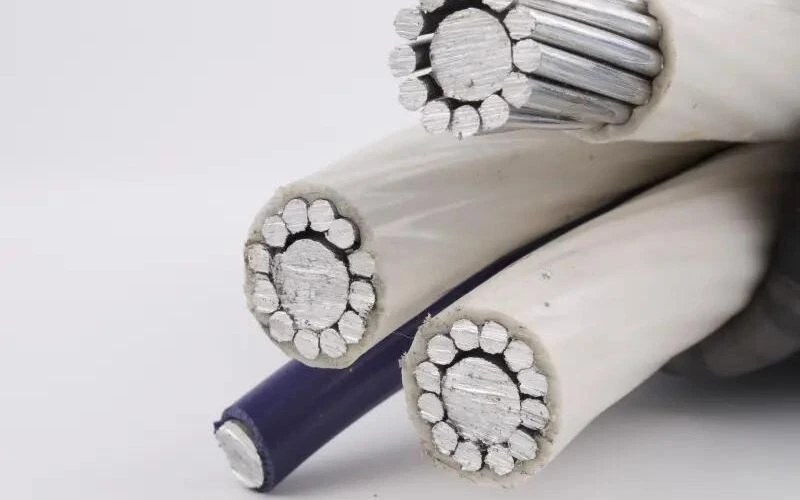
Visualize this: long stretches of high-voltage electrical lines spanning the landscape, delivering power to homes, businesses, and industries. These lines require special protection to ensure electricity’s safe and efficient flow. This is where pre-insulated conductors come into play. These specialized insulators are crafted to provide the necessary separation and insulation for high-voltage overhead power distribution lines.
The fundamental design of pre-insulated conductors revolves around a conductor—typically made of aluminum or steel—enveloped by an insulating material. This insulation protects against electrical conductivity, preventing unwanted current leaks and ensuring power travels along its designated path without interference.
The Role of Pre-Insulated Conductors
The primary function of pre-insulated conductors is to maintain electrical integrity and safety in overhead power distribution systems. By effectively encapsulating the conductor, these insulators prevent electrical leakage, reduce the risk of short circuits, and help mitigate the impact of environmental factors such as moisture and pollution on the power transmission process.
Moreover, proper insulation is vital in minimizing energy losses and maximizing the efficiency of the entire distribution network. This underscores the critical role that pre-insulated conductors play in sustaining reliable and sustainable power supply infrastructure.
By employing suitable insulating materials, such as cross-linked polyethylene (XLPE) or ethylene propylene rubber (EPR), pre-insulated conductors endure harsh environmental conditions while maintaining their insulating properties. This resilience ensures the longevity and effectiveness of the overhead power distribution system, reducing maintenance requirements and enhancing operational stability.
To illustrate, consider pre-insulated conductors as protective armor for electrical lines; just as a suit of armor shields a warrior in battle, pre-insulated conductors shield the conductor in the ongoing “battle” against electrical resistance and environmental hazards.
In essence, pre-insulated conductors are indispensable components in modern power transmission systems, upholding reliability, safety, and efficiency—the cornerstones of sustainable electrical infrastructure.
With a solid grounding in understanding pre-insulated conductors, it’s time to navigate the specifics of plastic insulators and their significance in electrical applications.
Analysis of Plastic Insulators
Now, let’s explore the critical process of inspecting glass insulators, which requires precision and attention to detail.
Inspection of Glass Insulators
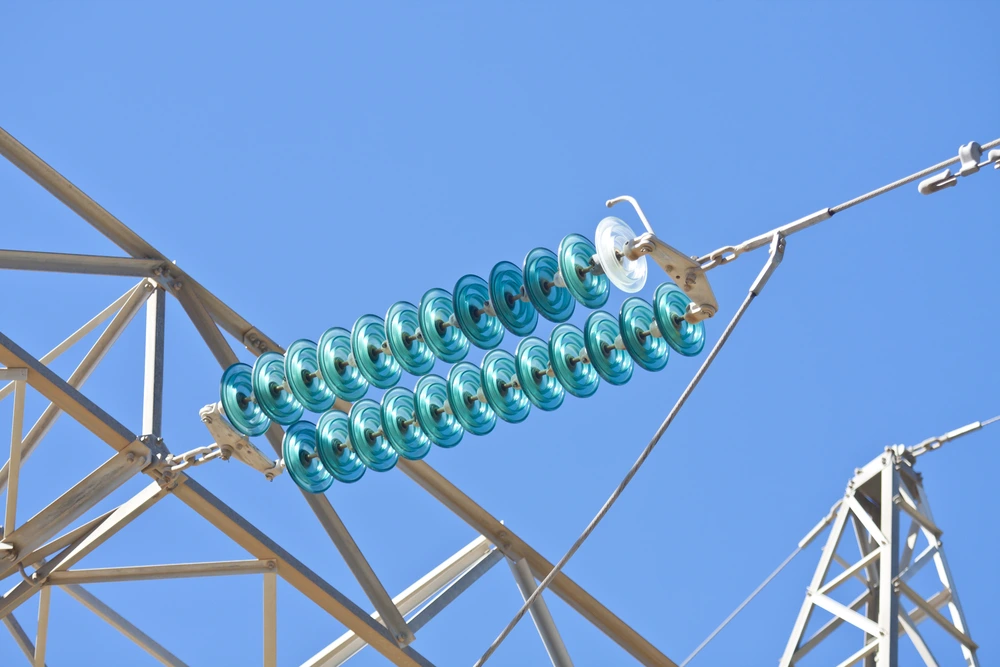
Due to their exceptional mechanical strength and temperature resistance, glass insulators are crucial in electrical transmission and distribution systems. This section overviews their importance in ensuring the safe and effective operation of electrical systems.
Thermal Resilience in Extreme Conditions
Discussing the key advantages of glass insulators, this section focuses on their remarkable capacity to withstand high temperatures. Their ability to maintain structural integrity and insulating properties in intense heat makes them suitable for challenging environments with elevated thermal conditions.
Mechanical Strength for Outdoor Reliability
Examining another noteworthy feature, this section delves into the excellent mechanical strength of glass insulators. Their ability to withstand heavy loads and external pressures in outdoor installations contributes to long-term reliability and reduces maintenance requirements.
Durability for Cost-Effective Infrastructure
Highlighting the long-term reliability of glass insulators, this section emphasizes how their robust construction contributes to cost-effectiveness in electrical infrastructure. By reducing the frequency of replacements and repairs, glass insulators enhance the overall efficiency of electrical distribution networks.
Insulation Performance against Electrical Stress
Focusing on the exceptional insulation performance of glass insulators, this section explores how they effectively mitigate the risks associated with high electrical stress. Maintaining a secure barrier against electrical currents safeguards against leakage or energy loss, ensuring efficient electricity transmission and distribution.
Application in Critical Power Systems
Exploring specific applications, this section discusses how glass insulators are commonly employed in overhead power lines. Their role in supporting conductors and providing crucial insulation underscores their significance in maintaining the integrity and efficiency of power transmission infrastructure.
Enhancing Reliability and Safety
Summarizing the comprehensive capabilities of glass insulators, this section underscores their vital role in enhancing the reliability and safety of electrical distribution systems. By understanding and harnessing these attributes, engineers can optimize the performance and longevity of power networks for sustained operational excellence.
As we transition from understanding the pivotal role of glass insulators, let’s explore insights on silicone foam insulators—another indispensable component in electrical insulation systems.
Insight on Silicone Foam Insulators
Regarding electrical insulation, silicone foam insulators stand out for their impressive combination of properties. They are highly effective in providing insulation and incredibly versatile due to their lightweight and flexible nature. Unlike traditional materials, silicone foam insulators can withstand extreme temperatures without compromising functionality, making them ideal for challenging environments where stability and resilience are paramount.
Furthermore, the flexibility of silicone foam insulators allows them to conform to irregular shapes and surfaces, ensuring a snug fit in various applications. Their ability to maintain their shape and functionality under duress makes them well-suited for high-temperature electrical systems, where conventional insulators may falter under intense thermal conditions.
In addition to their application in high-temperature electrical systems, silicone foam insulators also find extensive use in aerospace technology. Their reliability in extreme conditions, such as those encountered in space exploration or aircraft design, makes them indispensable for ensuring the seamless operation of critical electronic components.
Moreover, these remarkable insulators are crucial in specialized electronic equipment where reliability and consistent performance are non-negotiable. Whether in medical devices, advanced communication systems, or cutting-edge industrial applications, silicone foam insulators provide the thermal protection and electrical isolation required for optimal performance.
The unique blend of insulation, flexibility, and resistance to extreme temperatures makes silicone foam insulators indispensable in various industries requiring unwavering reliability and performance from their electrical systems.
Having gained important insights into the diverse applications of silicone foam insulators, we now focus on another vital component in electrical insulation—delving into the world of insulating tapes.
Spotlight on Insulating Tapes
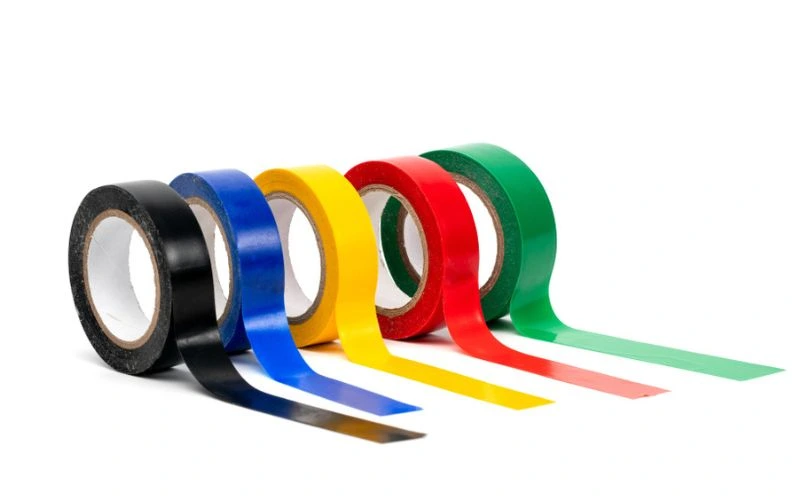
Insulating tapes are like the unsung heroes of electrical systems. They quietly work behind the scenes, providing that crucial layer of protection for wires and other components. Made from materials like vinyl, rubber, or silicone, these flexible tapes play a vital role in ensuring the safety and efficiency of electrical applications.
Vinyl Insulating Tapes
These are the most commonly used types of insulating tapes due to their versatility and effectiveness. Vinyl tapes are often used for general-purpose electrical insulation and wire harnessing because they are durable and resistant to moisture and UV rays.
Rubber Insulating Tapes
When flexibility and resistance to harsh environmental conditions are essential, rubber insulating tapes step up to the plate. Their self-fusing properties make them ideal for splicing and terminating wires, providing a reliable seal against moisture and corrosion.
Silicone Insulating Tapes
With superior temperature resistance and dielectric strength, silicone insulating tapes are often the go-to choice for high-temperature applications. Their ability to withstand extreme temperatures makes them invaluable for insulating and protecting wires in hot environments.
Imagine a network of wires serving as the lifeblood of an electrical system. Without proper insulation, these wires are vulnerable to damage from exposure to moisture, heat, or mechanical stress. Insulating tapes act as armor, shielding the wires from these potential threats and ensuring they can function safely and efficiently under various operating conditions.
Electrical Splicing
One of the primary applications of insulating tapes is in electrical splicing—joining two or more wires together. The tape provides electrical insulation to prevent short circuits and ensures the connection remains secure even under demanding conditions.
Wire Harnessing
Insulating tapes are crucial in organizing and protecting wire bundles within cable harnesses in complex electrical systems with many wires. By providing insulation and mechanical support, these tapes contribute to the overall reliability of the wiring infrastructure.
General Electrical Insulation Purposes
From covering exposed conductors to insulating connections and terminations, insulating tapes serve a wide range of general electrical insulation needs. Their flexibility allows them to conform to irregular shapes and sizes, making them indispensable in various installation and maintenance tasks.
Insulating tapes may seem unassuming at first glance, but their impact on the safety and performance of electrical systems is undeniable. Understanding their unique properties and applications is key to harnessing their full potential for safeguarding electrical components and ensuring reliable operation.
Detailed Review of Insulators’ Properties and Capabilities
Insulators play a critical role in electrical systems by inhibiting the flow of electricity and providing safety. Each type of insulator possesses unique properties that make them suitable for specific applications. For example, high electrical resistance is a fundamental property of insulators, preventing the flow of electrical current and thus ensuring safety, even when subjected to high voltage.
Moreover, mechanical strength is another vital property of insulators. It ensures that the insulating material can withstand mechanical stress without deforming or breaking down, acting like a sturdy shield protecting the electrical components from damage caused by external forces.
Environmental Factors
Insulators must also resist environmental factors such as moisture, UV exposure, and extreme temperatures. This resilience is crucial as it allows insulators to maintain their performance under various conditions. For example, outdoor applications expose insulators to sunlight, rain, and temperature fluctuations. The ability to withstand these conditions ensures the longevity and reliability of the electrical system.
Consider a power line running through a coastal area experiencing heavy rainfall and salt spray. The insulators supporting the power lines must resist corrosion from the salt spray and not degrade due to constant exposure to moisture. The right choice of insulator with strong resistance to environmental factors is essential in this scenario to ensure the safety and reliability of the power line.
Also, thermal stability is a key property of insulators, especially in applications exposed to high temperatures or rapid temperature changes. Thermal stability is crucial, ensuring the insulator maintains integrity and electrical performance. It guarantees consistent functionality in diverse environments without deterioration under varying temperature conditions.
Understanding these essential properties of insulators is pivotal in selecting the appropriate type for specific electrical applications, ensuring optimal safety and reliability in electrical systems.
With a firm grasp of the foundational properties of insulators, let’s now explore how different types are uniquely suited to diverse applications in various electrical systems.
Specific Applications of Different Insulators
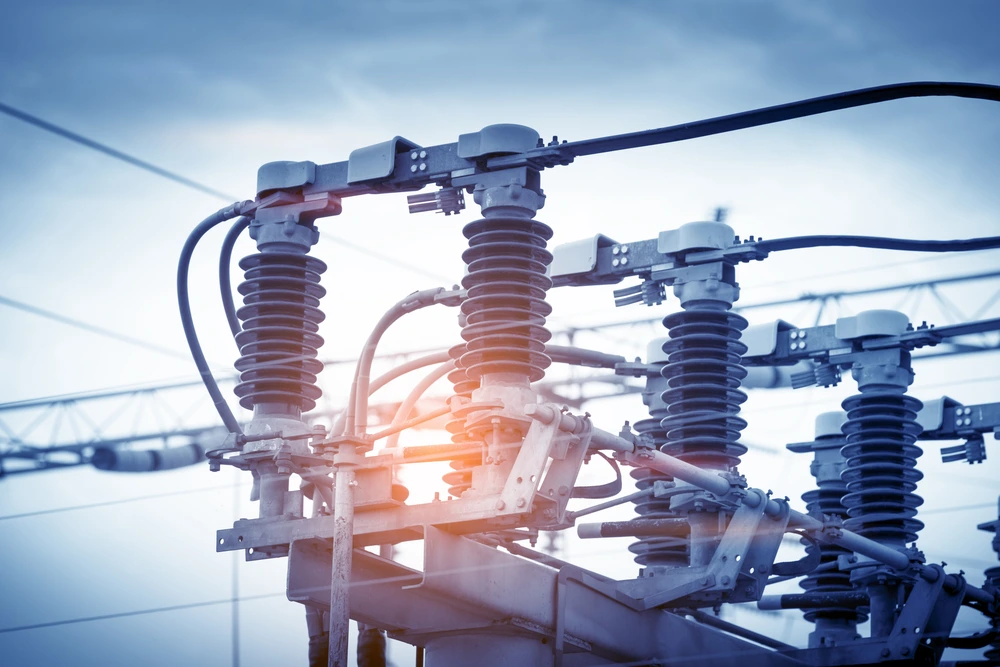
As mentioned earlier, the type of insulator used in an electrical system is directly linked to its properties and capabilities. Let’s delve deeper by exploring specific applications. Understanding how different insulators are employed in practical electrical applications is crucial for informed decision-making when selecting the right insulator for a particular electrical setup.
Ceramic Insulators: Key Applications
Ceramic insulators resist high temperatures and environmental factors, making them ideal for high-voltage applications such as power transmission lines and substations. Their durability and ability to maintain electrical integrity under extreme conditions make them the go-to for long-distance power distribution.
| Applications | Description |
| Power Transmission Lines | Overhead power lines use ceramic insulators to support and electrically isolate conductors from poles or towers. |
| Substations | Ceramic insulators are crucial in maintaining insulation and electrical safety in substations where voltage levels are stepped up or down. |
Moving on to glass insulators, their transparent and non-conductive properties make them suitable for high-frequency applications. They find extensive application in radio frequency (RF) components due to their low dielectric constant and low loss tangents.
Glass Insulators: Notable Applications
- Radio Frequency Components: Employed in RF circuits and antennas due to their low signal loss characteristics.
- Telecommunication Systems: Commonly used in telecommunication infrastructure for reliable signal transmission capabilities.
Now, let’s consider plastic insulators. Their lightweight, durable, and cost-effective nature makes them well-suited for low-voltage electrical systems, consumer electronics, and various industrial applications where weight and cost considerations are paramount.
Plastic Insulators: Common Applications
- Low-Voltage Electrical Systems: Widely used in residential and commercial wiring systems due to convenience and safety.
- Consumer Electronics: Pervasive in electronic devices such as mobile phones, computers, and household appliances.
Understanding these specific applications of different types of insulator provides valuable insight into their role within diverse electrical systems. By recognizing their strengths and optimal usage scenarios, we can make informed choices when selecting the most suitable insulator for a particular electrical application.
To dive further into the world of insulators and stay updated with the latest advancements, visit Insulators.
