Unveiling the Dynamic World of Properties and Types of Insulators
Insulators, the unsung heroes of various industries, ensure electrical and structural systems’ safety, efficiency, and reliability. Understanding their diverse properties is paramount for engineers and professionals alike. One of the primary characteristics lies in their ability to inhibit the flow of electricity, safeguarding against short circuits and electrical shock. Beyond their electrical properties, insulators exhibit exceptional thermal insulation capabilities, minimizing heat transfer in applications ranging from buildings to automotive sectors.
Moreover, they step into acoustics, serving as sound energy absorbers to control noise levels in buildings, vehicles, and machinery. Let’s journey through the different types of insulators, exploring their unique characteristics and applications in various fields.
What is an Insulator?

Insulators play a crucial role in various industries and everyday life, yet many people may need help understanding what they are and their significance. An insulator is a solid material whose inner electric charge does not drift freely.
Insulators, also known as non-conductors, resist the flow of electric current or heat transfer. Unlike conductors, which allow the easy movement of charged particles or heat, insulators impede or block their passage. This property makes insulators essential in numerous applications, preventing unwanted energy loss, electrical accidents, and thermal damage. It has great resistance value, usually in Mega Ohms.
Properties of Insulators
Insulating materials possess several key properties that effectively inhibit the flow of heat, electricity, or sound. Understanding these properties is essential for choosing the appropriate insulator for a specific application. Here are some fundamental properties commonly associated with insulating materials:
- It has large resistance and specific resistance.
- Large dielectric strength.
- High Mechanical Strength
- I am resisting high temperatures.
- It may not change in nature due to temperature.
- It should not absorb water.
- It can be made in any shape.
- It cannot get fire simply.
Insulators possess unique properties that make them suitable for specific applications. Here are the primary properties:
Electrical Resistivity
Insulators exhibit high electrical resistivity, impeding the flow of electric current. This property is essential for preventing leakage or unwanted dissipation of electricity.
Thermal Stability
Many insulators are designed to withstand high temperatures without significantly changing their physical or chemical properties. This thermal stability ensures longevity and reliability in demanding environments.
Dielectric Strength
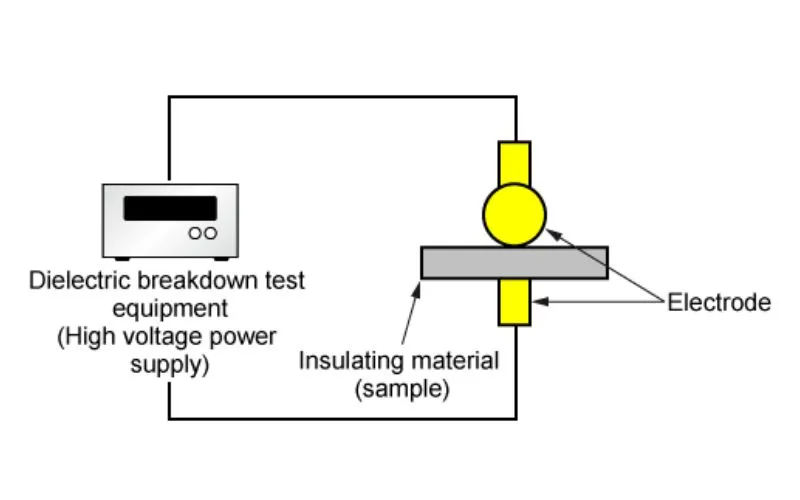
Dielectric strength is a critical property of insulating materials, referring to their ability to withstand high electric field strengths without breaking down and allowing current flow. Insulators with high dielectric strength can handle higher voltages without failure, ensuring the reliability and safety of electrical systems.
Mechanical Strength
Mechanical strength is vital, especially in outdoor applications where insulators are exposed to environmental elements. Insulators must withstand mechanical stress, such as wind, rain, and vibrations.
Chemical Inertness
Chemical inertness prevents insulators from reacting with surrounding materials, ensuring stability and longevity. This property is particularly important in corrosive environments.
Types of Insulators

Insulators come in various types, each tailored for specific applications based on their design and materials. Let’s explore the major types:
Pin Insulators
- Design: Pin insulators are characterized by a simple design with a single insulating unit.
- Applications: Commonly used in distribution lines for supporting conductors.
Suspension Insulators
- Design: Consists of multiple insulator units connected in series by metal links.
- Applications: Suitable for high-voltage transmission lines, offering better performance in polluted environments.
Porcelain Insulators
- Material: Made from high-grade porcelain, known for its excellent electrical and mechanical properties.
- Applications: Widely used in power systems for their durability and resistance to environmental factors.
Polymer Insulators
- Material: Composed of high-strength polymer materials.
- Advantages: Lightweight, resistant to pollution, and exhibit excellent electrical properties.
- Applications: Commonly used in high-voltage transmission lines and areas with heavy contamination.
Glass Insulators
- Material: Manufactured from toughened glass.
- Advantages: Good mechanical strength, resistance to weathering, and longer service life.
- Applications: Suitable for medium-voltage distribution lines.
Diverse Roles of Insulators
Electrical Insulation
One of the primary properties of insulators is their ability to inhibit the flow of electricity. Insulating materials possess high electrical resistance, limiting the movement of electrons. This property prevents the escape of electrical energy and reduces the risk of short circuits or electrical shock.
Thermal Insulation
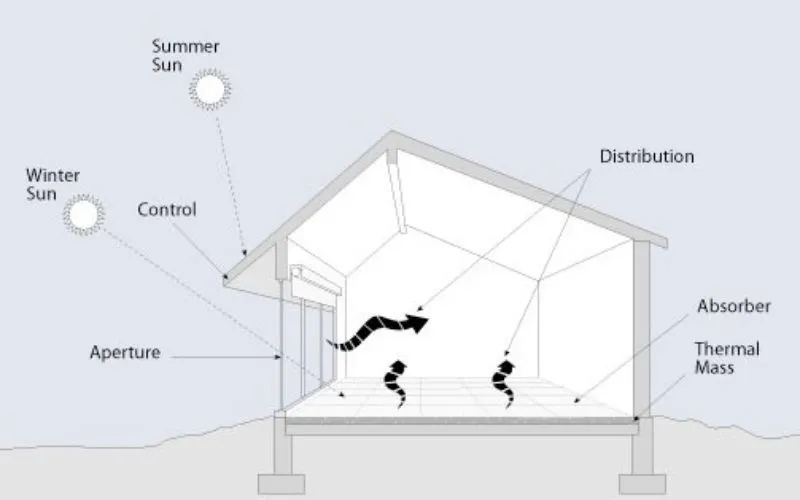
Insulators also exhibit excellent thermal insulation properties. They minimize heat transfer between objects, thus maintaining temperature differentials and improving energy efficiency. Thermal insulators are widely used in buildings, industrial processes, and the automotive sector to enhance insulation, reduce energy consumption, and prevent heat loss or gain.
Acoustic Insulators
Acoustic insulators are materials that reduce or absorb sound energy, preventing the transmission of sound waves. They are commonly used in buildings, vehicles, and machinery to control noise levels.
Acoustic Foam Panels absorb sound waves and reduce echo in recording studios, theaters, and other noise-sensitive areas. Mass Loaded Vinyl (MLV) MLV is a dense and flexible material used to create sound barriers, often installed in walls, floors, or ceilings to reduce airborne noise transmission. Rock Wool This insulation material provides thermal insulation and excellent absorption properties, making it suitable for acoustic insulation.
Structural Insulators
Structural insulators combine insulating properties and load-bearing capabilities, making them suitable for applications requiring structural support and insulation. Examples include Structural Insulated Panels (SIPs): These panels consist of an insulating foam core sandwiched between two structural panels, providing insulation and structural strength for building construction. Vacuum Insulation Panels (VIPs): VIPs consist of a vacuum-sealed meeting with a core material, providing high thermal resistance in a thin profile, often used in refrigeration and building insulation.
Applications of Insulators
Insulators find applications in various industries, playing a crucial role in maintaining the integrity and efficiency of electrical systems. Some key applications include:
- Power Transmission: Insulators are integral in overhead power transmission lines, preventing leakage and ensuring efficient energy transfer.
- Telecommunications: Fiber optic cables use insulators to protect signals from interference and maintain data integrity.
- Electronic Devices: Many electronic devices utilize insulators to isolate components, preventing unintended electrical connections.