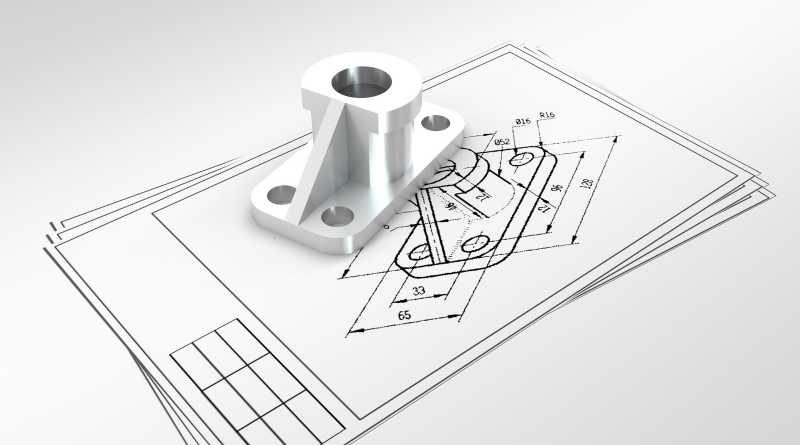
Shaping Electrical Machine Design: Navigating Key Limitations
The materials used for the machine and other components, such as cooling systems, impose limitations on design. The constraints stem from factors such as iron saturation, current density in conductors, temperature, insulation, mechanical properties, efficiency, and power factor. While electrical machine design aims to create efficient and reliable machines, it is important to acknowledge the limitations and challenges that shape the design process. These limitations arise due to technological, practical, and economic constraints that impact the performance and functionality of electrical machines.
Factors to be Considered for Electrical Machine Design
Saturation
Higher density decreases the degree of iron but drives the iron to work on the far side of the knee of the magnetization curve or within the saturation area. Iron saturation poses a limitation due to magnified core loss and excessive excitation needed to ascertain a desired flux value. It conjointly introduces harmonics.
Current Density
Temperature
Insulation
Mechanical properties
Efficiency
Power factor
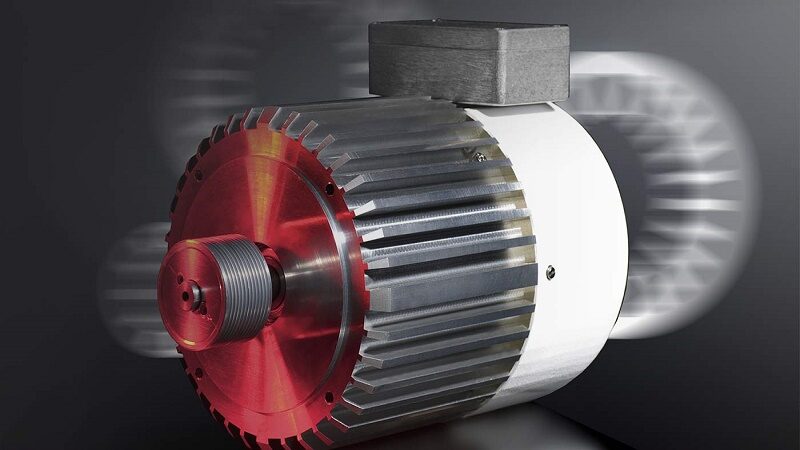
Limitations
In electrical machine design, many limitations shape the intricate process of creating functional and efficient devices. These constraints can be broadly categorized into material, thermal, mechanical, and electrical loads, each exerting influence on the final design.
Size and Weight
Size and weight constraints often pose significant challenges in electrical machine design. Applications with limited space or weight limitations require engineers to optimize the design for compactness without compromising performance. It becomes crucial to strike a balance between the desired functionality and the physical constraints imposed by the application.
Efficiency and Energy Losses
Achieving high efficiency in electrical machines is a constant challenge. Energy losses occur due to resistive losses, hysteresis, eddy currents, and mechanical losses. Engineers strive to minimize these losses through advanced material selection, improved winding techniques, and optimized core design. However, there will always be inherent losses that impact the overall efficiency of the machine.
Heat Dissipation and Thermal Management
Heat dissipation and thermal management are critical aspects of electrical machine design. The generated heat can cause insulation degradation, thermal expansion, and increased resistance, leading to performance degradation and reduced lifespan. Engineers must employ effective cooling techniques, such as forced air cooling, liquid cooling, or advanced heat sink designs, to ensure optimal operating temperatures and prevent thermal failures.
Cost and Manufacturing Constraints
Cost considerations play a significant role in electrical machine design. Balancing performance with manufacturing feasibility and cost optimization is a challenge. Engineers must select materials, manufacturing processes, and components that meet performance requirements within budget constraints. Manufacturing limitations and the availability of specialized parts can also impact the overall design and cost-effectiveness of the machine.
Environmental Factors and Operational Conditions
Electrical machines often operate in demanding environmental conditions, including extreme temperatures, humidity, dust, and vibration. Designing devices that can withstand and perform reliably under such conditions poses a challenge. Robust insulation systems, protective coatings, and sealing mechanisms enhance the machine’s resilience and ensure its longevity in harsh environments.
Technological Advancements and Innovation
The ever-evolving landscape of technology and the demand for increased performance present ongoing challenges in electrical machine design. Engineers need to stay updated with the latest advancements in materials, manufacturing processes, and control techniques to push the boundaries of machine design. Incorporating innovative technologies while addressing compatibility and integration issues can be demanding.
Material Limitations
One of the primary factors influencing electrical machine design is the choice of materials. Magnetic materials, for instance, have inherent limitations such as saturation levels and hysteresis losses that impact the machine’s performance. Insulation materials also play a pivotal role, with factors like thermal conductivity and dielectric strength determining the machine’s reliability.
Magnetic Materials
The choice of magnetic materials plays a fundamental role in electrical machine design. Materials like iron and steel are commonly used for their magnetic properties. However, these materials have limitations, such as saturation levels and hysteresis losses, which affect the machine’s performance. Designers must carefully select materials to optimize efficiency and reduce losses.
Insulation Materials
Insulation materials are critical in preventing electrical breakdown and ensuring the machine’s safety. When selecting insulation materials, designers must consider factors like thermal conductivity, dielectric strength, and aging characteristics. These limitations can impact the machine’s reliability and lifespan.
Thermal Limitations
Temperature rise is a critical consideration in electrical machine design. These machines generate heat during operation due to resistive losses, and exceeding safe temperature limits can lead to insulation degradation and reduced lifespan. To combat this, designers must meticulously calculate and manage thermal limitations, often incorporating cooling systems.
Temperature Rise
Electrical machines generate heat during operation due to resistive losses in conductors and core materials. Excessive temperature rise can lead to insulation degradation and reduced machine life. Designers must carefully calculate and manage thermal limitations to ensure the machine operates within safe temperature limits.
Cooling Systems
Incorporating effective cooling systems is crucial to dissipating heat efficiently. However, the size and complexity of these systems can be limiting factors in machine design. Engineers must balance the need for efficient cooling with the available space and resources.
Mechanical Limitations
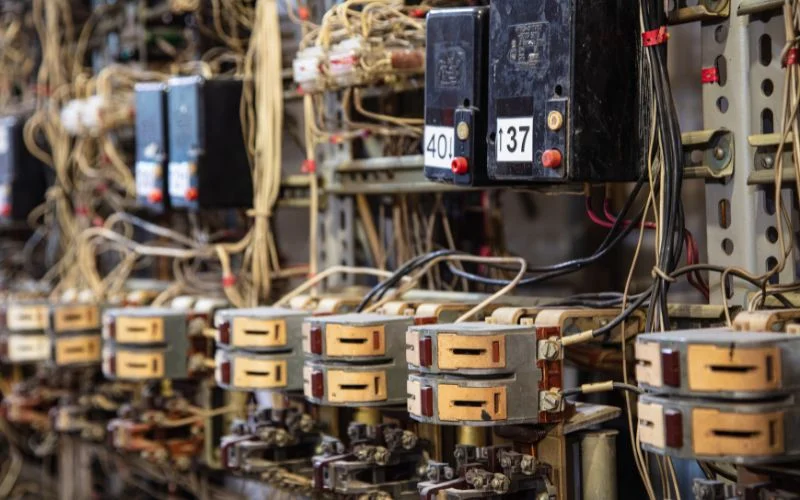
Mechanical stress and structural integrity are paramount in electrical machine design. The dynamic forces, including rotor imbalance and mechanical resonances, must be carefully addressed to prevent premature failure. Additionally, size and weight constraints can be limiting factors, especially in industries where compactness and lightweight designs are essential.
Mechanical Stress
Mechanical stress and vibration can significantly impact the structural integrity of electrical machines. To prevent premature failure, the machine’s design must account for factors like rotor imbalance, centrifugal forces, and mechanical resonances.
Size and Weight Constraints
In many applications, size and weight limitations are critical. For example, electrical machines must be compact and lightweight in the aerospace or automotive industries. These constraints can challenge designers to find innovative solutions while maintaining performance.
Electrical Limitations
Electrical machines are subject to stringent electrical limitations. Voltage and current ratings must be meticulously adhered to, as surpassing these limits can result in insulation breakdown and damage. Moreover, harmonic distortion poses a significant challenge, prompting designers to employ filters and specialized winding configurations to mitigate its effects.
Voltage and Current Ratings
Electrical machines are designed to operate within specific voltage and current limits. Exceeding these limits can lead to insulation breakdown and damage to the device. Designers must carefully select components and winding configurations to ensure the device stays within its electrical limitations.
Harmonic Distortion
Harmonic distortion in electrical machines can lead to undesirable effects, such as increased losses and reduced power quality. Designers must consider the harmonic limitations and employ filters and special winding configurations to mitigate these issues.
Conclusion
Overall, electrical machine design is a complex process involving numerous limitations. Designers must consider material constraints, efficiency, size and weight, cost, environmental impact, and regulatory standards to develop machines that meet performance requirements while being economically viable and environmentally sustainable. By understanding and addressing these limitations, electrical machine designers can create innovative solutions that advance technology and meet the evolving needs of society.