A Comprehensive Guide to Classification of Insulating Materials
Insulating materials are vital in numerous industries, from electrical engineering to construction. These materials are designed to impede the flow of electricity, heat, or sound, ensuring safety, efficiency, and comfort in various applications. Classifying insulating materials is fundamental to understanding their properties, characteristics, and appropriate usage. By categorizing insulating materials based on their composition, structure, and performance, engineers and scientists can make informed decisions when selecting the most suitable material for a given application. This classification system enables us to navigate the vast array of insulating materials in general, facilitating effective design, innovation, and advancement in various industries.
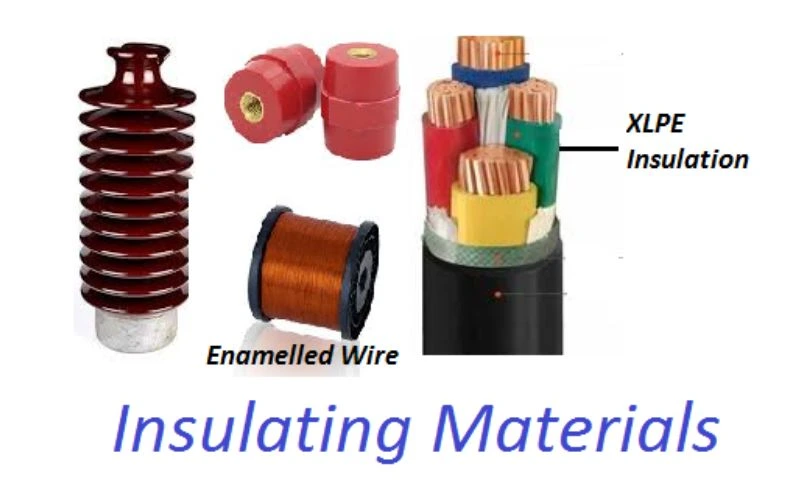
The classification of insulating materials is essential for determining their suitability across various applications, from appliances and wires to capacitors and circuits. Materials such as paper, cotton, silk, fibers, Teflon, polyurethane, and silicone rubber are commonly used based on operating temperature, resistivity, and heat resistance. Each insulation class, including Class B, is defined by specific durability standards and service life expectations. Factors like appearance, surface quality, and failure risks, often due to chemicals, stress, or shocks, influence material selection.
Classification of Class of Insulating Material
Class “A”
Class “B”
Class “C”
Class “E” Insulating Material
Class “F” Insulating Material
With the rapid progress in material technology, new insulating materials, such as class ‘F’ insulation systems with higher hot spot temperature capability, are now available; these can replace the traditional class ‘B’ materials, which substantially improves the Kw/Kg rate, and reduces the size of the machine, thereby reducing the consumption of precious active materials such as copper and sheet steel. The insulating materials belonging to class ‘F’ have a hotspot withstand capability of 150oC.
Advantages of using Class’ F’ Insulation System
- Excellent dissipation factor
- Longer life to the machine
- Better chemical resistance
- Higher flame resistance characteristic
- Imperviousness to moisture and humidity
- Reduction in insulation thickness
- Better heat transfer in the coil of the winding
- Improved radiation resistance properties.
Class’ H’ Insulating material
Composition-Based Classification
Composition-based classification categorizes insulating materials based on their chemical composition. It includes organic insulators derived from compounds like rubber and plastics and inorganic insulators made of ceramics, glass, and mineral compounds.
Organic Insulators
These materials are derived from organic compounds, such as rubber, plastics (e.g., PVC, polyethylene), and synthetic polymers (e.g., epoxy, silicone). They offer good electrical insulation properties and are commonly used in cables, wiring, and electrical equipment.
Inorganic Insulators
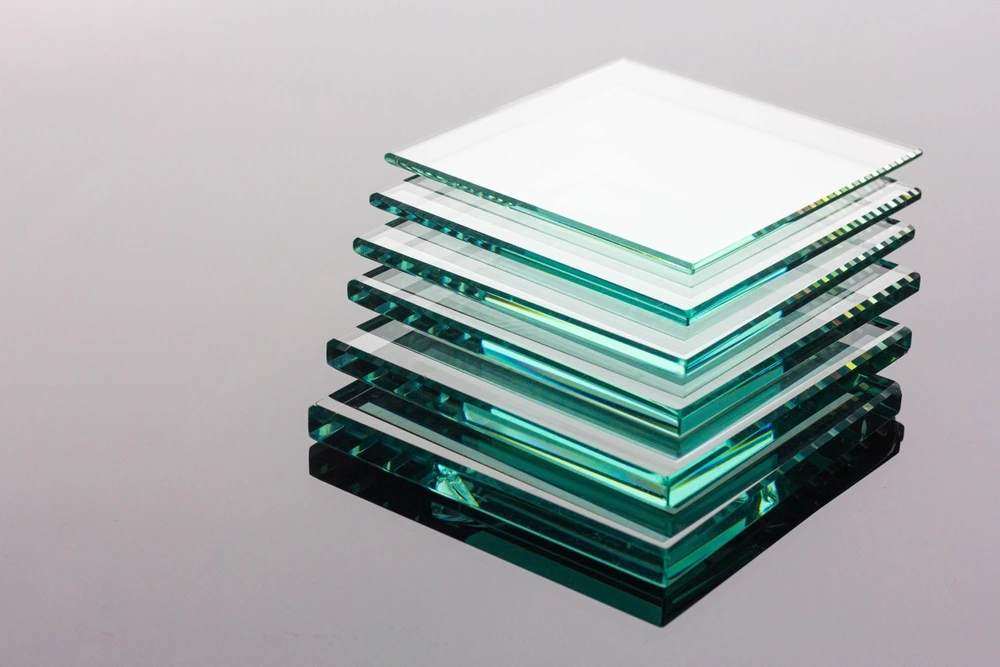
These materials comprise inorganic substances like ceramics, glass, and mineral compounds (e.g., mica, asbestos). Inorganic insulators provide excellent thermal resistance and are widely used in high-temperature applications, such as furnace linings, insulation boards, and fire-resistant coatings.
Electrical Properties-Based Classification
Electrical properties-based classification categorizes insulating materials based on their electrical conductivity, distinguishing between conductors that facilitate the flow of electric current and insulators that exhibit high electrical resistance and impede the current flow.
Conductors
Materials with high electrical conductivity, such as copper and aluminum, are not typically used as insulators. However, in some applications, conductive coatings or shields are utilized to manage electromagnetic interference (EMI) or to provide electrostatic discharge (ESD) protection.
Insulators
These materials exhibit high electrical resistance, preventing the flow of electric current. Insulators are further categorized based on their dielectric strength, determining their ability to withstand high voltage without breakdown.
Thermal Properties-Based Classification

Its properties-based classification categorizes insulating materials based on their ability to resist heat transfer, differentiating between thermal insulators with low thermal conductivity and thermal conductors with high thermal conductivity.
Thermal Insulators
These materials possess low thermal conductivity, impeding the transfer of heat. Examples include fiberglass, mineral wool, and foam insulations. They find applications in buildings, refrigeration systems, and thermal packaging.
Thermal Conductors
Materials with high thermal conductivity, such as metals and some ceramics, facilitate the efficient transfer of heat. They are used in heat sinks, thermal interfaces, and other applications where heat dissipation is desired.
Application-Specific Classification
Application-specific classification of insulating materials involves categorizing them based on their intended use, considering specific requirements such as electrical, thermal, or acoustic properties. This classification ensures that the chosen materials align with the unique demands of diverse applications, optimizing performance and reliability.
Electrical Applications
Insulating materials are chosen for their dielectric strength and ability to withstand high voltages in electrical applications. Examples include insulation for cables, transformers, and electronic components, where electrical resistance and insulation thickness are critical factors.
Thermal Applications
Insulating materials are selected for their ability to resist heat transfer in thermal applications. Thermal insulators like fiberglass and mineral wool are used in building construction, refrigeration systems, and thermal packaging, where minimizing heat loss or gain is essential.
Acoustic Applications
Acoustic insulation utilizes materials with sound-absorbing properties. These insulators dampen sound vibrations, reducing noise transmission in buildings, automotive interiors, and industrial environments. Thus, they contribute to quieter and more comfortable living or working spaces.
Conclusion
In conclusion, the classification of insulating materials plays a crucial role in various industries, providing a systematic framework for understanding their properties and selecting the most suitable materials for specific applications. The composition-based, electrical properties-based, thermal properties-based, and application-specific classifications offer valuable insights into the diverse range of insulating materials available. As technology advances, newer materials like Class’ F’ insulation systems demonstrate enhanced performance, contributing to improved efficiency, safety, and sustainability in industrial processes. Engineers and scientists with this knowledge can continue to innovate and design cutting-edge solutions, ensuring the continued progress of industries reliant on insulating materials.
FAQs
1. Why is the classification of insulating materials important?
The classification of insulating materials is crucial for understanding their properties. It enables informed decisions about selecting materials for specific applications and ensures safety, efficiency, and innovation in various industries.
2. How does the application-specific classification benefit industries?
Application-specific classification ensures that insulating materials are chosen based on industry-specific demands. Addressing unique requirements such as electrical, thermal, or acoustic properties optimizes performance and extends equipment lifespans.
3. How do insulating materials contribute to energy efficiency in buildings?
Insulating materials play a key role in energy efficiency by minimizing heat transfer. In buildings, they help regulate temperature, reduce the need for heating or cooling, and contribute to lower energy consumption, resulting in cost savings and environmental benefits.