Common Issues With AC Motors: Causes and Fixes
You’ve likely encountered problems with AC motors, whether it’s a motor that won’t start or one that’s overheating. These issues often arise from faulty wiring, component failures, or improper lubrication. Neglecting these can lead to increased wear and tear or even complete failure. Regular maintenance is key, but how do you pinpoint and effectively address these problems? There are essential steps and insights you won’t want to skip. Learn more about Common Issues With AC Motors.
Key Takeaways
- Faulty wiring or incorrect connections can lead to malfunctions and disruptions in AC motors.
- Insufficient or improper lubrication results in overheating and excessive wear on motor components.
- Voltage drops below 90% of the rated voltage can cause performance issues in motors.
- Dust and debris accumulation obstructs cooling mechanisms, leading to overheating.
- Rotor-stator contact or excessive vibration can indicate misalignments or imbalances.
Motor Fails to Start Upon Initial Installation
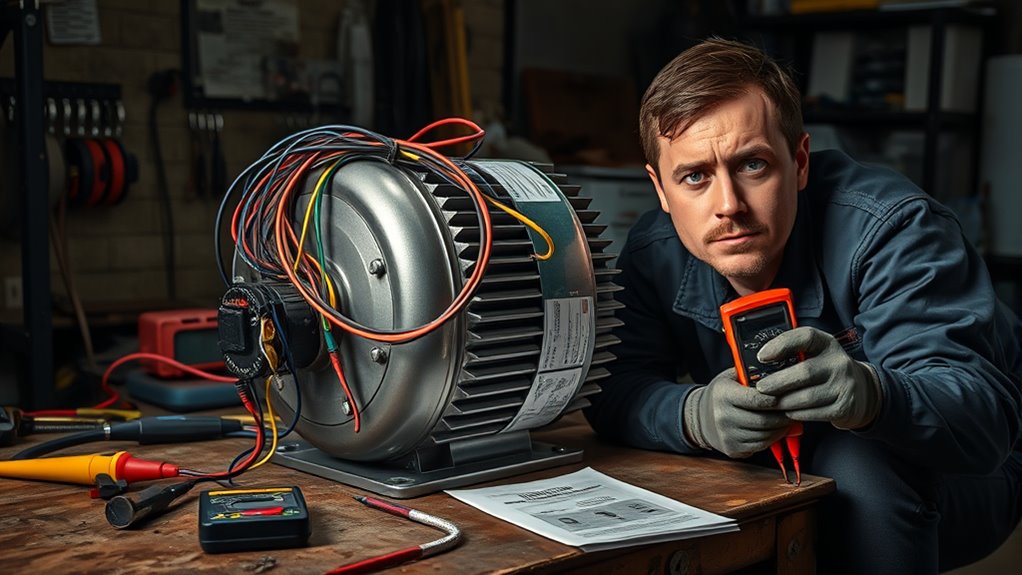
When an AC motor fails to start upon initial installation, it’s essential to verify the motor wiring against the provided diagram to ensure everything is connected correctly. Incorrect connections are a common reason why a motor fails to start.
You’ll want to verify that the power supply is adequate and functioning, as an insufficient power supply can prevent the motor from operating properly.
Next, rotate the motor shaft by hand to see if the rotor is striking the stator, which could stop the motor from starting.
Inspect all components for physical damage; even minor issues can lead to startup failure. Don’t forget to examine overloads, fuses, and control systems, as these elements are critical to the motor’s operation and could be hindering its start.
Motor Has Been Running, Then Fails to Start
When your AC motor has been running but suddenly won’t start, start by checking the power supply for any tripped fuses or circuit breakers.
Ensure that you inspect the load for any jamming and compare the amp draw with the nameplate rating to ensure the motor isn’t overloaded.
Additionally, verify all electrical connections are secure and functioning properly to get your motor back in action.
Power Supply Inspection
Although an AC motor may have been running fine, it can suddenly fail to start, prompting an immediate inspection of the power supply.
Start by checking for tripped fuses or circuit breakers and replace or reset them to restore power. Inspect the stator for any shorts or ground leaks, as these electrical issues might necessitate motor replacement.
Confirm all electrical connections are secure; loose or corroded ones can disrupt the power supply. Consider the possibility of an excessive load causing the issue, and verify that no jamming or resistance is preventing the motor from starting.
Additionally, discharge and test the capacitor for short or open circuits. This thorough inspection can help identify potential problems and confirm your motor operates smoothly.
Load and Circuit Check
If your AC motor has been running smoothly and suddenly refuses to start, it’s important to check the load and circuit as part of your troubleshooting process.
Start by replacing any tripped fuses or resetting circuit breakers, as overload conditions can cause them to trip. Inspect the load for jamming and verify the amp draw doesn’t exceed the nameplate rating to avoid excessive current.
Discharge and test the capacitor for shorts or open circuits—issues here can prevent the motor from starting.
Finally, confirm that all electrical connections are secure and operational to prevent intermittent starting issues.
- Replace tripped fuses or reset circuit breakers.
- Inspect the load for jamming and check the amp draw.
- Test the capacitor for shorts or open circuits.
- Verify all electrical connections are secure.
Motor Runs but Dies Down

To address the issue where an AC motor runs but then dies down, start by closely monitoring the voltage supply. If it drops below 90% of the rated voltage, you may be experiencing issues with the power source. Contact your utility provider if necessary.
Check for excessive load changes that could affect the motor’s performance. Verify that the equipment is securely fastened and that no other machinery is drawing power unexpectedly.
Inspect fan applications for any airflow obstructions, as these can lead to overheating and shutdowns. Examine the motor’s stator for shorts or ground leaks; discovering these issues may necessitate replacing the motor.
Regularly compare the amp draw with the motor’s nameplate rating to identify any anomalies that could cause the motor to overheat.
Motor Takes Too Long to Accelerate
If your motor is taking too long to accelerate, start by checking the capacitor’s functionality, as a faulty capacitor can disrupt smooth operation.
Next, inspect the bearings for any signs of wear or damage that might be causing friction and slowing down acceleration.
Addressing these components can help restore your motor’s performance and efficiency.
Check Capacitor Functionality
Sometimes, a motor’s sluggish acceleration can be traced back to a faulty capacitor. It’s one of the common causes of delayed motor operation.
To troubleshoot, begin by inspecting the capacitor terminals. Here’s what you can do:
- Discharge the capacitor: Before testing, confirm it’s safely discharged to prevent shocks.
- Measure capacitance: Use a multimeter to check if it matches the rated specification.
- Check for shorts or opens: If the capacitor is shorted or open, it should be replaced.
- Regular checks: Verify capacitors function within 90% of their rated capacitance to avoid issues.
A defective capacitor not only delays acceleration but can also lead to overheating and increased wear on the motor.
Regular checks are crucial for maintaining peak performance and ensuring longevity.
Inspect Bearing Condition
When your motor takes too long to accelerate, inspecting the bearing condition is a crucial step. Worn or damaged bearings in your AC motor can cause excessive friction, resulting in delayed acceleration and potentially excessive vibration.
Start by performing a visual and tactile check. Listen for unusual noise or feel for roughness in the bearings. These could be signs that the bearings are hindering efficient acceleration.
Verify the bearings have proper lubrication, as insufficient lubrication can lead to overheating and increased resistance. If you notice wear or damage, replace the bearings promptly to enhance acceleration time and overall performance.
Regular maintenance and checks of the bearing condition will extend your motor’s lifespan and help prevent future acceleration delays.
Motor Overheating
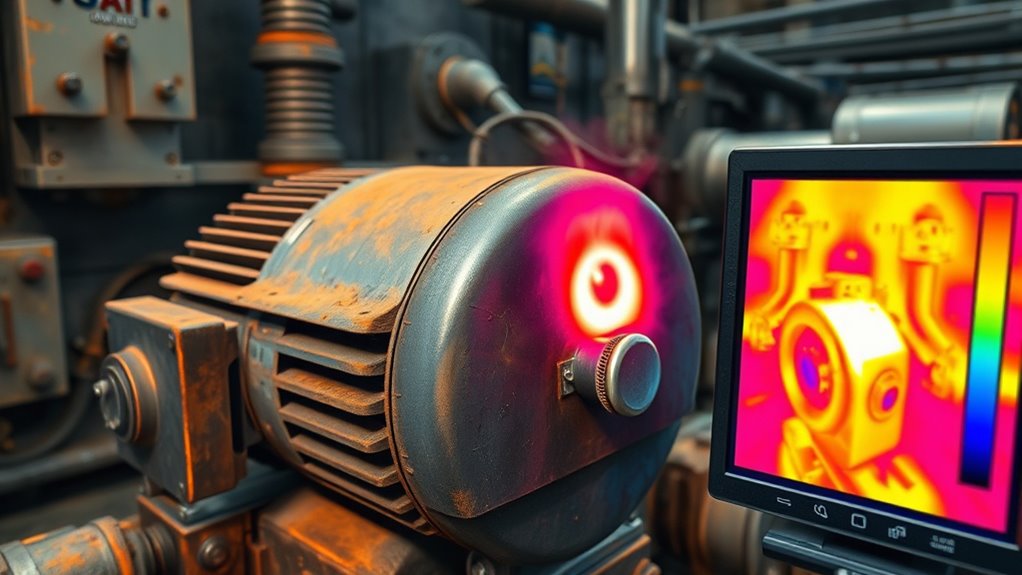
Motor overheating is a common issue that can considerably impact the performance and lifespan of your AC motors. The root of overheating often lies in the motor windings. Continuous operation without proper cooling erodes winding insulation, risking short circuits or motor failure.
To combat this, closely monitor the amp draw and compare it to the motor’s nameplate rating. Here are some preventive measures:
- Check for dirt accumulation: Dirt can obstruct ventilation, causing overheating.
- Ensure proper ventilation: Adequate airflow is crucial for maintaining ideal temperatures.
- Watch for single phasing: This imbalance in three-phase motors generates excess heat.
- Manage load effectively: Overloading escalates temperatures, straining the motor.
Regular monitoring and maintenance are crucial for preventing overheating and extending the motor’s lifespan.
Excessive Vibration
Excessive vibration in AC motors, though often overlooked, can lead to significant mechanical and electrical issues if not addressed promptly. It can stem from improper support or mounting, causing alignment issues that may result in mechanical failures.
Loose mounting bases and poor alignment are the primary causes that can potentially lead to insulation damage and electrical failures. To prevent premature wear on components, regular maintenance is essential. Continuous exposure to excessive vibration can severely affect motor performance and longevity, damaging winding insulation and leading to short circuits.
Utilize vibration analysis as a diagnostic tool to identify imbalances and misalignments. By closely monitoring motor alignment and support structures, you can take timely corrective actions, ensuring efficient operation and extending the motor’s lifespan.
Unchecked Corrosion
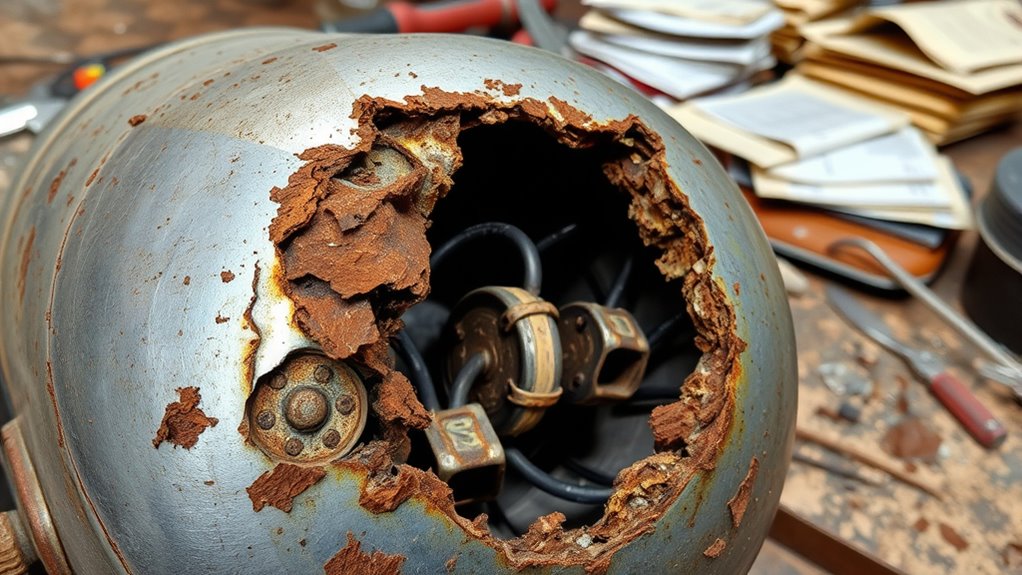
While addressing excessive vibration is essential for AC motor health, it is equally detrimental to overlook the effects of unchecked corrosion. Over time, corrosion can weaken motor windings, leading to electrical failures and costly repairs. Prolonged exposure to moisture and harsh elements accelerates this process, increasing the risk of electrical shorts and motor malfunction.
Unchecked corrosion in AC motors can cause electrical failures, increasing the risk of costly repairs and malfunction.
To mitigate these risks and extend the lifespan of your AC motors, regular maintenance is vital.
Here’s what you can do:
- Inspect and clean regularly to identify early signs of corrosion.
- Apply protective coatings to shield components from moisture.
- Ensure proper housing for motors in harsh environments to prevent exposure to harsh conditions.
- Schedule routine checks to maintain operational efficiency and avoid unplanned downtime.
These steps will help you manage unchecked corrosion effectively.
Dust And Debris Accumulation
How often do you consider the impact of dust and debris on your AC motors? Dust and debris accumulation can significantly impact your motor’s performance. They can obstruct cooling mechanisms, leading to overheating and potential failures. This buildup insulates critical heat-generating components, raising your motor’s operational temperature. If debris compromises motor electrical connections, expect increased wear and premature failure.
| Issue | Impact |
|---|---|
| Cooling obstruction | Overheating and potential motor failure |
| Insulated components | Higher operational temperatures |
| Compromised connections | Increased wear and premature failure |
Regular cleaning is essential. Maintaining an inspection schedule helps you catch dust issues early. Preventive measures keep your motor running efficiently and extend its lifespan. Don’t underestimate the damage dust and debris accumulation can cause to your AC motors.
Improper Lubrication
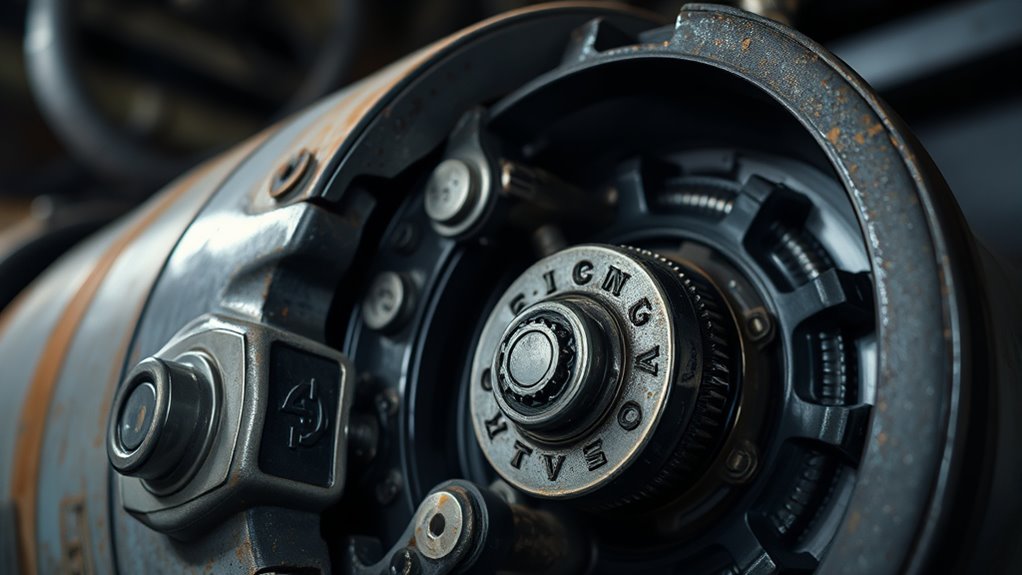
When it comes to AC motors, proper lubrication is essential for reducing friction and preventing premature wear.
You should regularly check lubrication levels because both over-lubrication and under-lubrication can drastically shorten the motor’s lifespan.
Lubrication Level Importance
Proper lubrication is essential for the efficient operation of AC motors, as it minimizes friction and prevents overheating, both of which can lead to premature failure.
Monitoring lubrication levels is vital to avoid mechanical failures. When lubrication is insufficient, bearings experience excessive wear, leading to operational disruptions.
On the other hand, over-lubrication can cause fluid leakage and contamination, resulting in costly repairs.
To maintain ideal performance, consider these tips:
- Regularly check lubrication levels to guarantee they’re neither too high nor too low.
- Use bearing grease as recommended by the manufacturer.
- Follow the prescribed lubrication interval to maintain consistent motor efficiency.
- Select the appropriate lubricant to match the motor’s specifications.
Lubrication Impact on Lifespan
While proper lubrication is essential, improper lubrication practices can drastically impact the lifespan of AC motors. Insufficient lubrication in gear motors leads to overheating and gear damage.
The bearing housing is particularly vulnerable, as these components often fail first. Over-lubrication isn’t any better, as it can cause excess heat and attract debris or dust, contaminating the lubricant. This contamination can lead to malfunctions that reduce the motor’s lifespan.
Regular maintenance and lubrication checks are imperative to prevent wear and tear on bearings. Choosing the right lubricant for your operating conditions is also critical. The wrong type can increase friction, leading to premature motor failure.
Common AC Motor Problems and Initial Troubleshooting Steps
If your AC motor’s not running smoothly or at all, you might be dealing with common problems like faulty wiring or component issues.
First, you should measure the coil winding resistance using an ohmmeter or multimeter. The motor must have consistent values across all wires to avoid potential short circuits.
Also, verify the wiring connections, especially confirming the black wire is connected to neutral.
Initial troubleshooting steps include:
- Check capacitor wiring: Confirm connections are correct.
- Test rotation direction: Connect live wires properly to control direction.
- Disconnect load: Isolate the motor to test components sequentially.
- Document finding: To pinpoint specific failures.
Always prioritize safety and consult a professional if you’re uncomfortable with electrical tasks.
Conclusion
To keep your AC motor running smoothly, don’t overlook regular maintenance. Check for faulty wiring and component failures, and guarantee proper lubrication to prevent overheating and wear. Keep an eye out for corrosion and clean away dust and debris that might accumulate. Regularly check coil winding resistance and secure connections. By addressing these common issues early, you can extend your motor’s lifespan and maintain peak performance, ensuring it starts and runs reliably whenever needed.
FAQs
1. What Is the Leading Cause of AC Motor Failure?
You should know that electrical overload is the leading cause of AC motor failure. It happens when excessive current draw and insufficient torque stress the motor, accounting for roughly 30% of failures. Always monitor your motor’s current levels.
2. How Long Do AC Motors Typically Last?
AC motors typically last between 15 to 25 years. You can extend their lifespan by ensuring regular maintenance, such as lubrication and cleaning. Avoid overloading and ensure proper installation to maximize their operational life.
3. What Are the Symptoms of AC Motor Failure?
You may notice symptoms such as an inability to start, intermittent operation, and unexpected stops. Excessive vibrations, overheating, and difficulty controlling rotation direction are also warning signs indicating potential electrical, mechanical, or wiring issues with your AC motor.
4. How Does an AC Motor Go Bad?
You’ll notice an AC motor going bad when it overheats, suffers insulation breakdown or experiences electrical faults. Mechanical issues and debris can also lead to failure. Regular maintenance is crucial in preventing these issues.