DC Series Motor – Working Principle, Characteristics, and Uses
Components of a DC Motor
- Rotor: The rotating part of the motor, also known as the armature, is embedded with copper bars and connected to the commutator.
- Field Windings: These windings generate the magnetic field required for motor operation.
- Commutator: This component helps reverse the current direction in the armature windings, ensuring continuous rotation.
- Brushes: Typically made of graphite or carbon, brushes maintain electrical contact with the commutator.
- Power Supply: Provides the necessary current for motor operation.
Types of DC Motors
DC motors can be categorized according to their field winding configuration. The main categories include series DC motors, shunt motors, and compound motors.
Series DC Motor
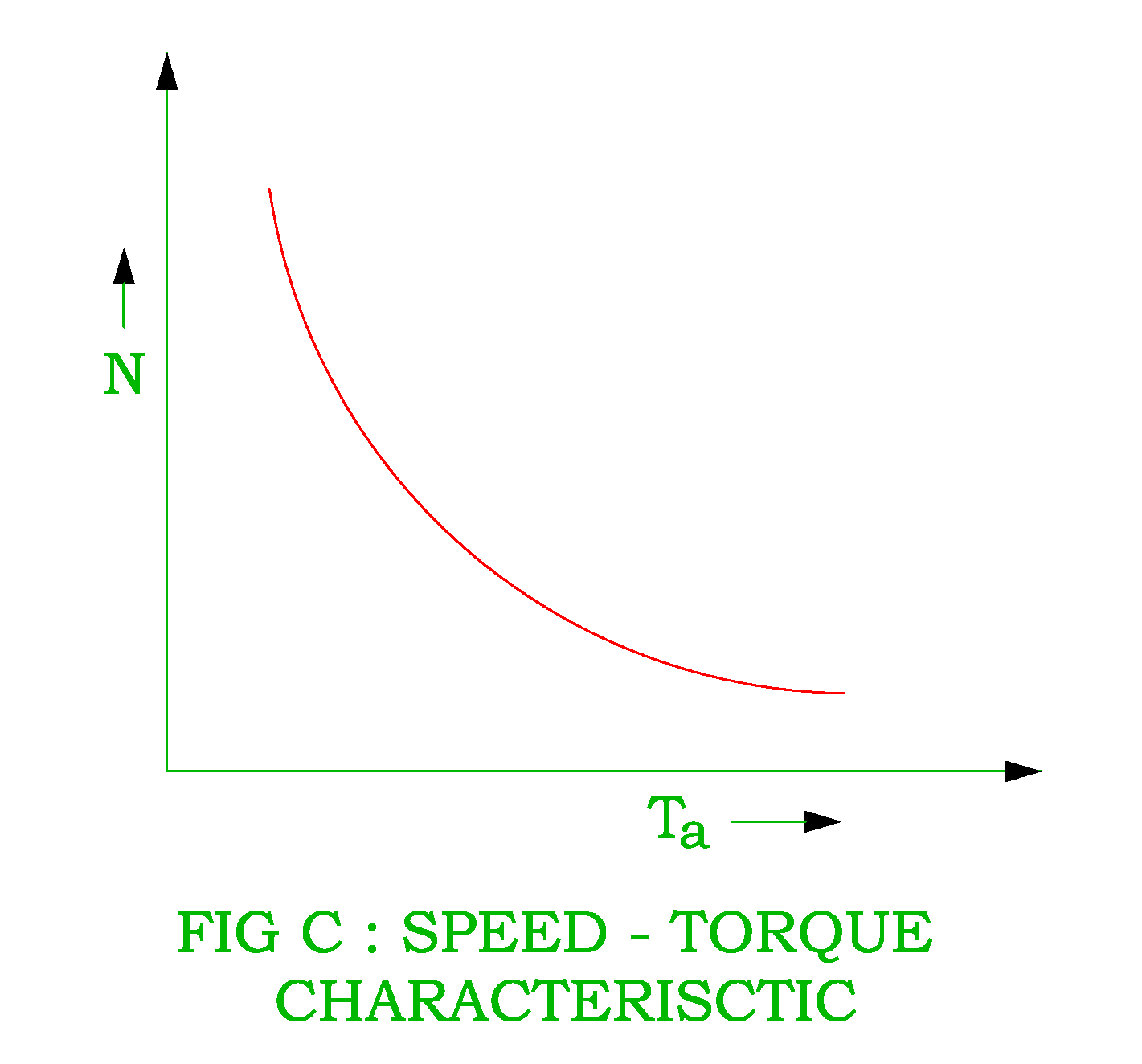
In a series DC motor, the field windings are connected in series with the armature circuit. This configuration enables high torque at low speeds, making it suitable for applications such as cranes, hoists, and elevators. The Speed of a series DC motor can be controlled by varying the armature current or adjusting the field coil resistance.
Shunt Motors
Shunt motors have their field windings connected in parallel with the armature. This configuration provides a more stable speed that is less affected by load variations. Shunt motors are commonly used in applications requiring constant Speed, such as fans and blowers.
Compound Motors
Compound motors combine the features of series and shunt motors by having both series and shunt field windings. This hybrid configuration provides the advantages of both types, making compound motors suitable for applications that require variable Speed and high starting torque.
Speed Control Methods
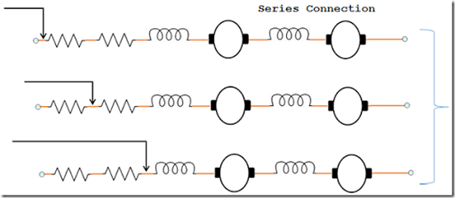
The Speed of DC series motors can be controlled using various methods, each with advantages and limitations. The primary methods include:
Armature Voltage Control
The Speed of the motor can be adjusted by varying the voltage supplied to the armature. This method is effective for precise speed control but requires a variable power supply, which can increase costs.
Field Flux Control
Adjusting the field current can change the magnetic flux, thus controlling the motor speed. This method is commonly used in series DC motors where the field windings are in series with the armature circuit.
Armature Resistance Control
Inserting a variable resistor in the armature circuit allows for control of the motor speed. This method is simple and cost-effective, but can result in energy losses and reduced efficiency.
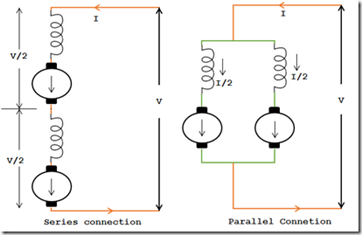
Series-Parallel Control
This method involves switching the connections of the field windings between series and parallel configurations. It provides a wide range of speed control but requires complex wiring and control mechanisms.
Equations and Relationships
Understanding the mathematical relationships in DC motors is crucial for effective speed control. The fundamental equation for the back EMF (E) in a DC motor is given by:
E=kϕNE = k phi N
Where:
- EE = Back EMF
- kk = Motor constant
- ϕphi = Magnetic flux
- NN = Speed of rotation
The torque (TT) produced by the motor is given by:
T=kϕIT = k phi I
Where:
- TT = Torque
- ϕphi = Magnetic flux
- II = Armature current
These equations highlight the direct relationship between Speed, torque, and current in DC motors.
Practical Applications
DC series motors are used in various applications due to their high torque and variable speed capabilities. Some common applications include:
- Cranes and Hoists: The high starting torque of Series DC motors makes them ideal for lifting heavy loads in cranes and hoists.
Electric Trains and Locomotives: The ability to provide high torque at low speeds makes series DC motors suitable for traction applications in electric trains and locomotives.
Automotive Applications: Series DC motors are used in electric vehicles for propulsion due to their robust performance and torque characteristics.
Industrial Machinery: Machines requiring variable Speed and high torque, such as rolling mills and conveyors, often use series DC motors.
Conclusion
Understanding the principles and methods of speed control in DC series motors is essential for optimizing their performance in various applications. Controlling motor speed effectively can improve efficiency and operational flexibility, whether used in cranes, locomotives, or industrial machinery. By employing various control methods and understanding the underlying equations, engineers and technicians can ensure that DC motors meet the specific requirements of their applications.
FAQs
What is a DC series motor, and how does it work?
A DC series motor is a direct current (DC) motor where the field windings are connected in series with the armature windings. This configuration allows the same current to flow through the armature and the field windings. When current flows through the windings, it creates a magnetic field that interacts with the armature, producing torque and causing the rotor to rotate.
What are the key characteristics of a DC series motor?
Key characteristics of a DC series motor include:
- High Starting Torque: DC series motors offer high starting torque, making them ideal for applications that require a strong initial push.
- Variable Speed: The Speed of a DC series motor varies with the load. It decreases as the load increases and vice versa.
- Simple Design: The design of DC series motors is relatively simple and robust, making them easy to maintain.
- High Current Draw: They draw a high current at startup, which can lead to significant wear if not managed properly.
What are the common applications of DC series motors?
DC series motors are commonly used in applications requiring high starting torque and variable Speed, such as:
- Electric Vehicles: Used in traction systems of electric cars, locomotives, and forklifts.
- Cranes and Hoists: Ideal for lifting heavy loads due to their high starting torque.
- Electric Trains: Provide the necessary power for starting and climbing steep grades.
- Industrial Equipment is used in machinery such as conveyors, mixers, and compressors, where high torque is required at startup.
Understanding the working principles, characteristics, and applications of DC series motors can help select the right motor for specific industrial and mechanical applications.