Unveiling the Dynamic Applications of DC Shunt Motors
Understanding DC Shunt Motors
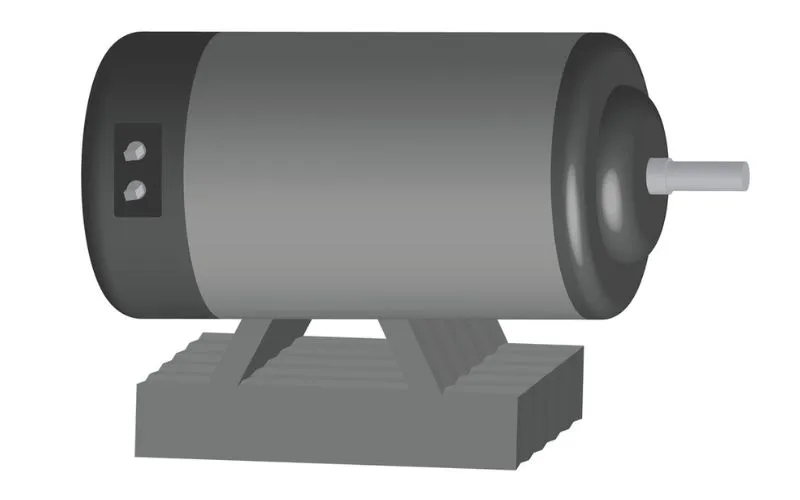
DC shunt motors feature parallel armature and field windings, providing precise control. As current flows, magnetic forces propel the motor, with a constant field current maintaining stability.
Construction
DC shunt motors are characterized by their unique construction, featuring both series and shunt field windings. The armature winding sits parallel to the field winding, forming a shunt connection. This distinct configuration grants DC shunt motors distinctive characteristics, allowing for precise control and adaptability.
Working Principle
The fundamental principle behind DC shunt motors lies in the interaction of magnetic fields. As electric current flows through the armature and field windings, magnetic forces are generated, propelling the motor into motion. The shunt winding ensures a constant field current, contributing to the motor’s stability and consistent speed regulation.
Applications Across Industries
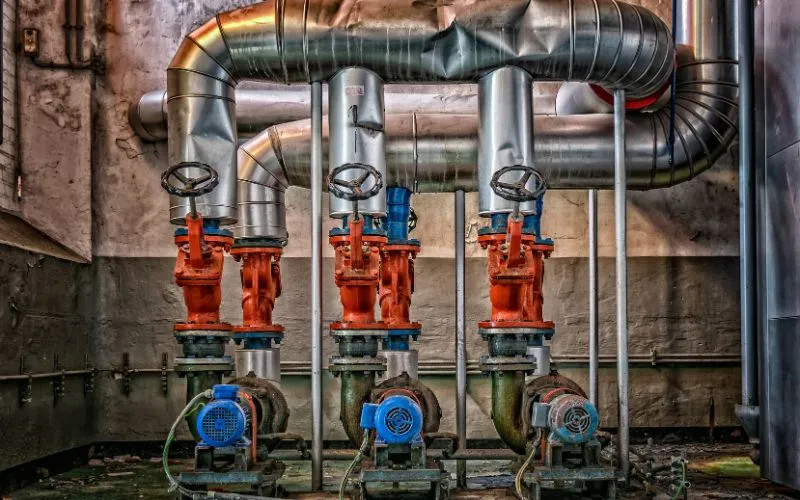
Industrial Machinery
DC shunt motors find extensive use in various industrial machinery applications. Their ability to maintain a constant speed, coupled with robust construction, makes them ideal for driving conveyor belts, pumps, and machine tools. The reliability of DC shunt motors in these settings ensures seamless operation and efficient production processes.
Elevators and Hoists
In vertical transportation, DC shunt motors are pivotal in driving elevators and hoists. The precise speed control of these motors ensures smooth and accurate floor-to-floor movement, making them a preferred choice for commercial and residential buildings. The inherent stability of DC shunt motors enhances passenger safety and comfort.
Battery-Powered Vehicles
With the growing emphasis on sustainable transportation, DC shunt motors have found a new frontier in battery-powered vehicles. Their efficiency and controllability make them suitable for applications in electric cars, bikes, and scooters. DC shunt motors contribute to extended battery life and improved overall performance in these eco-friendly modes of transportation.
Rolling Mills and Heavy Equipment
DC shunt motors are deployed in rolling mills and heavy equipment in industries like steel manufacturing. These motors’ consistent torque and speed regulation capabilities ensure precise control over the manufacturing process. The rugged construction of DC shunt motors withstands the demanding conditions of such industrial environments.
Textile Industry
DC shunt motors find applications in powering spinning machines and looms in textile manufacturing, where precision and constant speed are paramount. The ability to maintain a steady speed contributes to producing high-quality textiles, meeting the industry’s stringent requirements.
Paper Mills
Paper manufacturing demands reliability and precision in the production process. DC shunt motors are used to drive the components of paper mills, such as the rollers and cutting machines. Their ability to provide consistent torque ensures the production of uniform and high-quality paper products.
HVAC Systems
Heating, ventilation, and air conditioning (HVAC) systems often require motors that can operate at varying speeds based on the environmental conditions. With their excellent speed control, DC shunt motors are employed in HVAC applications to ensure efficient and adaptable operation, contributing to energy savings and improved comfort.
Advantages of DC Shunt Motors
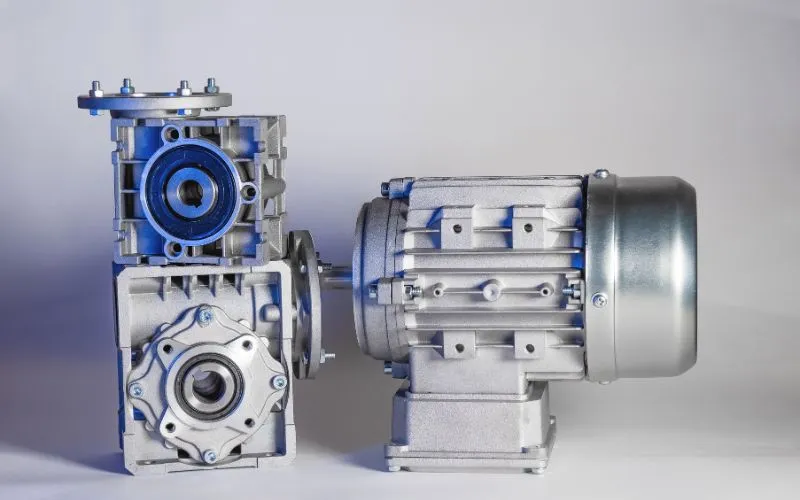
- Speed Regulation: DC shunt motors offer excellent speed regulation, making them suitable for applications where a constant speed is crucial.
- Ease of Control: The shunt field winding allows easy control of the motor’s speed and torque, making it adaptable to various load conditions.
- Reliability: The robust construction of DC shunt motors contributes to their reliability, ensuring minimal downtime and maintenance.
- Cost-Effective: Compared to some alternative motor types, DC shunt motors are often more cost-effective, making them a preferred choice for certain applications.
Limitations and Considerations
While DC shunt motors boast numerous advantages, it’s essential to acknowledge their limitations. Factors such as maintenance requirements, the need for commutation systems, and potential electromagnetic interference should be carefully considered when selecting these motors for specific applications.
Future Trends and Innovations
As technology advances, DC shunt motor design innovations are on the horizon. Efforts to enhance efficiency, reduce maintenance needs, and integrate smart control systems are expected to shape the future of DC shunt motor applications.
Conclusion
FAQs
How do DC shunt motors differ from other types of DC motors?
DC shunt motors distinguish themselves with a parallel armature and field winding configuration, providing precise speed control for diverse applications. Unlike other DC motor types, this design enables adaptability across various load conditions, making them a preferred choice for industries requiring consistent performance.
Can DC shunt motors be used in hazardous environments?
While adaptable, caution is needed for hazardous environments. Incorporating explosion-proof enclosures and adhering to proper maintenance practices ensures safety, making DC shunt motors viable in challenging conditions with appropriate protective measures.
What are the typical maintenance requirements for DC shunt motors?
Regular maintenance involves inspecting brushes, commutators, and overall electrical connections. Routine cleaning, proper lubrication, and checks for wear and tear prolong the motor’s lifespan, ensuring optimal performance and minimizing downtime.