A Guide to Electric Motor Types: Classification and Applications
Understanding the labyrinth of electric motors can often feel like decoding a complex algorithm. However, mastery of this knowledge opens up a world filled with possibilities. Whether you’re an aspiring engineer, a seasoned technician, or simply a tech enthusiast with an appetite for understanding the machines that drive our world, this blog post is your Rosetta Stone. In “A Comprehensive Guide to Electric Motor Types: Classification and Applications,” we will demystify this topic and navigate through AC Induction Motors, Brushed DC Motors, Brushless DC Motors, and beyond – each with unique characteristics and functionalities. So grab your cogwheels and circuit diagrams as we electrify your knowledge about these ubiquitous machines!
Several electric motors are used today, including AC Brushless Motors, DC Brushed Motors, DC Brushless Motors, Direct Drive Motors, Linear Motors, Servo Motors, and Stepper Motors. Each type has unique characteristics and ideal use cases depending on the system’s requirements and performance goals. It’s essential to consider these factors carefully before choosing a motor for a motion control system.
Understanding Electric Motors

Electric motors are devices that convert electrical energy into mechanical energy. They are widely used in various applications, from powering industrial machinery to propelling electric vehicles. Understanding the basics of electric motors is essential to grasp their classification and applications.
At their core, electric motors consist of two main components: the stator and the rotor. The stator is the stationary part of the motor that contains coils or magnets, while the rotor is the rotating component that interacts with the stator to create motion.
Several types of electric motors are used today, each with its characteristics and applications. Some common types include AC Brushless Motors, DC Brushed Motors, DC Brushless Motors, Direct Drive Motors, Linear Motors, Servo Motors, and Stepper Motors.
Each type of electric motor operates using different principles and technologies. For example:
- AC Brushless Motors uses induction to generate a rotating magnetic field in the stator and rely on permanent electromagnets.
- DC Brushed Motors uses brush orientation on the stator or rotor bar segments to determine the current flow. The commutator is important for these motors.
- Direct-drive motors are high-efficiency alternatives to servo motors that eliminate the need for transmissions.
- Linear Motors have an unrolled stator and motor that produce linear force along the device’s length. They are faster and more accurate than rotary motors.
- Servo Motors are coupled with feedback sensors for precise positioning and are commonly used in robotics.
When choosing a motor for a motion control system, it is crucial to consider the system’s specific requirements and performance goals. Factors such as torque, speed, efficiency, and control methods must be considered.
Permanent Magnet Motors
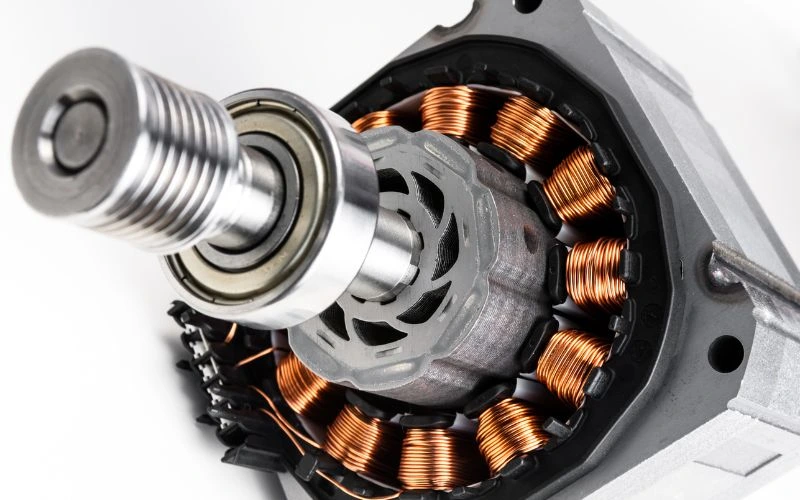
Permanent magnet motors are electric motors that use permanent magnets in the stator or rotor to create the required magnetic field. These magnets can be made from neodymium iron boron (NdFeB) or samarium cobalt (SmCo).
One key advantage of permanent magnet motors is their high efficiency, which results from the absence of losses associated with generating the magnetic field through electromagnets. The powerful magnetic field of permanent magnets allows for strong and efficient motor operation.
Permanent magnet motors are commonly used in various applications, from consumer electronics like computers and appliances to industrial machinery and electric vehicles. For example, many electric cars, such as Tesla’s, utilize permanent magnet motors for their power and efficiency.
Imagine driving an electric car powered by a permanent magnet motor. The instant acceleration and smooth performance are due to the motors’ high torque and efficiency.
In addition to their efficiency, permanent magnet motors offer compact size and reduced weight compared to other engines. This makes them highly desirable in applications where space is limited or weight restrictions are important.
However, it’s worth noting that rare earth magnets used in permanent magnet motors can be relatively expensive. Additionally, their magnetic properties can degrade over time if they are not properly handled or exposed to extreme conditions.
Despite these considerations, permanent magnet motors are widely used due to their excellent performance characteristics and versatility across various industries.
Like superheroes with extraordinary powers, permanent magnet motors exhibit exceptional strength and efficiency, making them indispensable for many applications.
Brushed Electric Motors
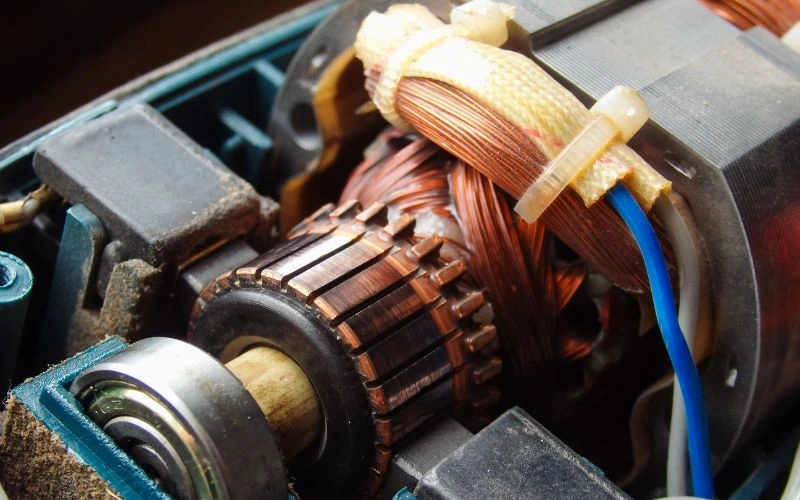
Brushed electric motors are one of the earliest and simplest electric motors. They consist of a rotor with permanent magnets attached, surrounded by a stator made up of electromagnets. The key characteristic of these motors is the presence of brushes and commutators, which are essential for their operation.
When an electric current passes through the stator’s electromagnets, it creates a magnetic field that interacts with the permanent magnets on the rotor, causing it to spin. The brushes and commutators ensure continuous current flow to the stator electromagnets. Brushes maintain contact with the commutator segments as they rotate, facilitating the switching of the current direction.
While brushed electric motors are widely used for their simplicity and low cost, they have some limitations. One significant drawback is that the brushes and commutators wear out over time, reducing efficiency and causing maintenance issues. Additionally, brushed motors generate more heat and produce electrical noise due to arcing between the brushes and commutator segments.
Now, let’s move on to another type of electric motor that has recently gained popularity: the brushless.
- According to the International Energy Agency, electric motors account for almost 40% of global electricity consumption as of 2020.
- An Electric Power Research Institute report estimates that AC Induction Motors make up over 90% of all the motors used in industries due to their robustness and reliability.
- Based on research from Market Watch, the demand for brushless DC motors in consumer applications is projected to experience the highest growth rate, with an estimated CAGR of 8.2% from 2018 to 2023.
Brushless Electric Motors
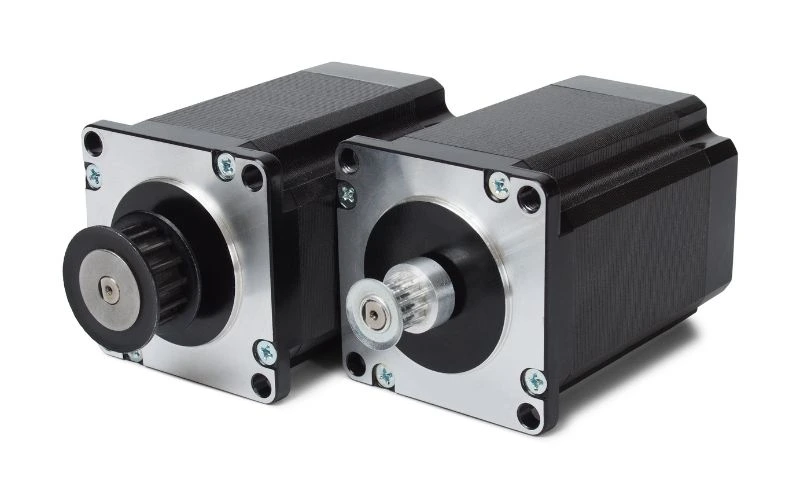
Brushless electric motors offer several advantages over their brushed counterparts. Unlike brushed motors that rely on physical brushes and commutators for current transfer, brushless motors use an embedded controller or electronic circuitry to switch power to different stator coils.
Picture this scenario: You’re biking up a steep hill, and as you pedal harder, you feel the power boost from an electric bike equipped with a brushless motor. The absence of brushes and commutators allows for smoother operation and higher efficiency. The electronic control circuitry in brushless motors actively manages the flow of electricity to various stator coils, optimizing performance and reducing wear. A brushless motor is like a modern car’s fuel injection system, precisely delivering the right amount of fuel to ensure optimal combustion. Similarly, brushless motors provide precise control over power delivery to enhance performance.
One key benefit of brushless motors is their increased longevity and reduced maintenance requirements. Without mechanical brushes that experience wear and tear, these motors can operate longer without needing replacements or repairs.
Brushless motors generate less heat than brushed motors since no physical contact exists between brushes and commutators. This not only improves overall efficiency but also results in quieter operation. Additionally, brushless motors offer higher power-to-weight ratios, making them ideal for applications where size and weight constraints are critical factors.
Induction and Synchronous Motors
Two commonly encountered types of electric motors are induction and synchronous AC motors. These motors share similarities in their fundamental principles of operation but differ in specific characteristics that make each suitable for various applications.
Induction Motors
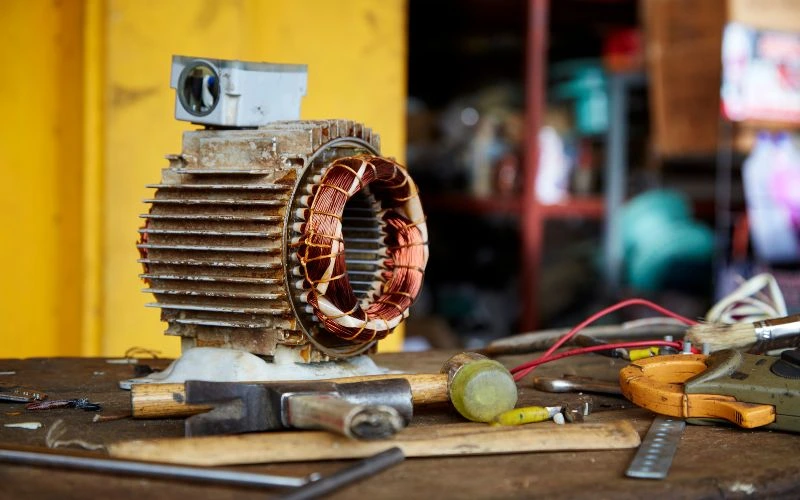
Let’s start by exploring induction motors. Due to their operation, induction motors are known as squirrel cage motors or asynchronous motors. They rely on the induction principle to generate a rotating magnetic field in the stator. This field induces a current in the rotor, allowing it to rotate.
The key component in an induction motor is the rotor, which consists of conducting bars arranged in a cylindrical structure. Conductive rings short-circuit these bars at both ends, resembling a squirrel cage, hence the name “squirrel cage motor.”
When an alternating current is supplied to the stator windings, it produces a rotating magnetic field. As this magnetic field cuts across the rotor bars, it induces currents in them by electromagnetic induction. The resulting interaction between the magnetic fields of the stator and rotor creates torque, causing the rotor to spin.
Induction motors are widely used due to their simplicity and robustness. They do not require brushes or commutators, resulting in minimal maintenance requirements and high reliability. Moreover, they can operate on both single-phase and three-phase power supplies.
These motors are used in various industries, including pumps, compressors, fans, conveyor belts, and machines requiring constant-speed operation. Their ability to produce high torque at low speeds makes them suitable for demanding tasks.
Features and Applications of Induction Motors
Induction motors offer a range of features and benefits that make them a popular choice for many applications. One key advantage is their ability to operate efficiently, making them energy-efficient options for various industries.
The absence of brushes and commutators eliminates the friction and wear associated with those components in other motor types, contributing to their reliability and longevity. This also means induction motors require minimal maintenance, reducing downtime and associated costs.
Another notable feature of induction motors is their ability to provide high starting torque. This makes them well-suited for applications where heavy loads must be accelerated from rest, such as in conveyor systems or crushers.
Induction motors are available in single-phase and three-phase configurations, allowing flexibility in different power supply scenarios. Due to their inherent design characteristics, they can handle variable loads reasonably well.
Despite these advantages, it’s important to note that induction motors also have limitations. For instance, they typically operate at a constant speed determined by the power supply frequency. In applications requiring precise speed control, alternative motor types like servo motors may be more suitable.
Synchronous AC Motors
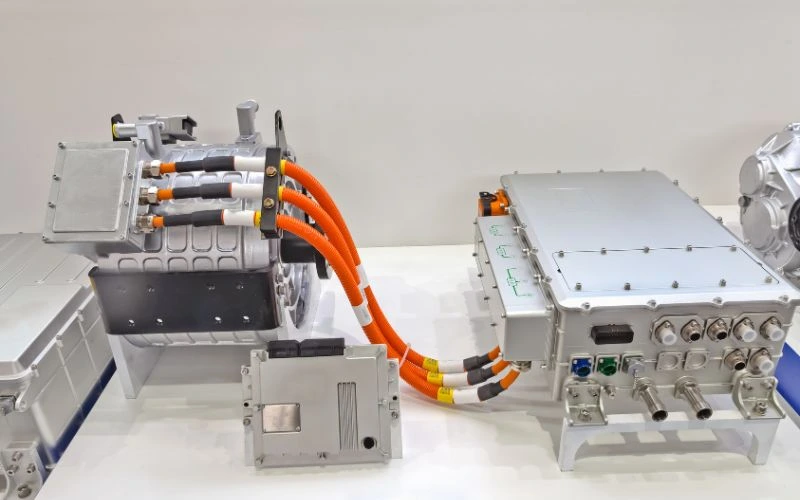
Synchronous AC motors are a type of electric motor that operates in sync with the frequency and phase of an alternating current (AC) power supply. They have a fixed rotating magnetic field at the same speed as the AC power supply frequency. This synchronization allows precise control of the motor’s speed and position, making synchronous AC motors particularly suitable for applications where accurate timing and synchronization are crucial.
One key advantage of synchronous AC motors is their ability to maintain a constant speed even under varying loads. This makes them ideal for high-precision applications like industrial machinery, robotics, and automation. Synchronous AC motors are also used in CNC machines, where precise positioning and movement control are essential for accurate cutting or shaping operations.
Another important feature of synchronous AC motors is their efficiency. Due to their synchronous operation, these motors do not experience slip like asynchronous motors, resulting in higher efficiency levels. This makes them more energy-efficient and cost-effective over the long term, especially in applications with constant torque requirements.
However, it’s worth noting that synchronous AC motors require careful control and additional components, such as rotor position sensors or variable-frequency drives (VFDs), to maintain synchronization with the power supply. Failure to do so could cause the motor to lose synchronism, causing damage or inefficiency.
Control and Application of Motors
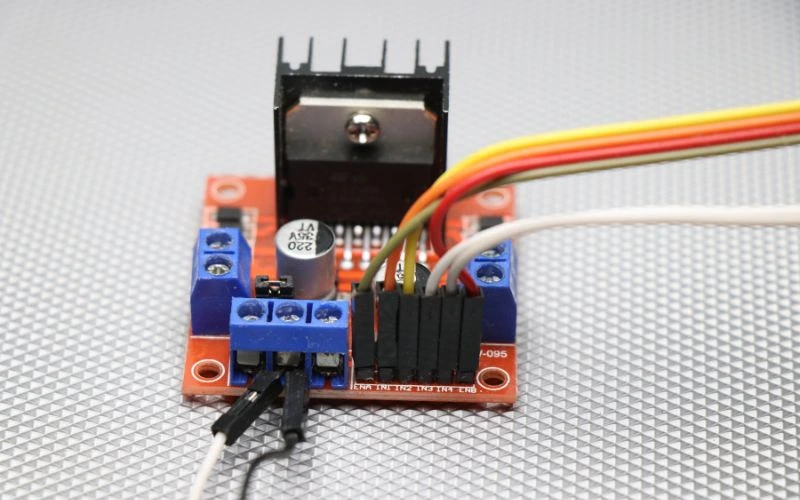
The control and application of electric motors play a critical role in various industries and everyday devices. Motor control involves managing the speed, direction, torque, and other operational parameters to achieve desired outcomes. With advancements in motor control technologies, numerous options are available, ranging from simple speed controllers to complex programmable systems.
One popular method of motor control is using motor speed controllers. These devices regulate the voltage and current supplied to the motor, effectively controlling its rotational speed. For example, a ZOWZEA AC Motor Speed Controller provides a versatile solution for managing the speed of electric motors with an input voltage range of 110-120V and a maximum current capacity of 15A. Such controllers are useful in applications that require precise speed control, like industrial machinery or appliances.
Another approach to motor control involves using dedicated control techniques, such as pulse width modulation (PWM) or field-oriented control (FOC). PWM techniques rapidly switch the power supplied to the motor, changing the average voltage or current to alter the motor’s speed or torque. On the other hand, FOC techniques focus on manipulating the magnetic fields within the motor to achieve precise control over parameters like torque and flux. These techniques are commonly used in robotics or electric vehicle applications where fine-tuned control is crucial.
Electric motors have diverse applications across industries. They power everything from household appliances like refrigerators and washing machines to transportation systems like electric cars and trains. In industrial settings, motors are essential for pumps, fans, conveyors, and manufacturing equipment. Their versatility and reliability make them indispensable in countless applications worldwide.
High-Voltage DC Motor Control

High-voltage DC motor control controls direct current motors running on high-voltage power sources. These motors are commonly used in various industrial applications that require high-power output and precise control. One of the main advantages of high-voltage DC motor control is its ability to provide efficient and rapid acceleration within a wide range of speeds.
Depending on the specific application requirements, various techniques can be employed to control high-DCC motors. One common method is pulse width modulation (PWM), where the signal’s duty cycle determines the motor’s speed and torque output. Adjusting the duty cycle modifies the average voltage reaching the motor, allowing smooth speed control.
Another technique used in high-voltage DC motor control is field-oriented control (FOC) or vector control. This method decouples the motor’s torque and flux components, enabling independent control over both parameters. FOC enhances performance and efficiency by optimizing the magnetic field orientation and torque production.
It’s worth noting that high-voltage DC motor control systems often incorporate advanced technologies, such as microcontrollers and power electronics. These components enable accurate monitoring, feedback control, and protection mechanisms to ensure safe and reliable operation. Additionally, some applications may require additional features, such as regenerative braking or fault diagnostics, which can be integrated into the control system.
AC Motor Control
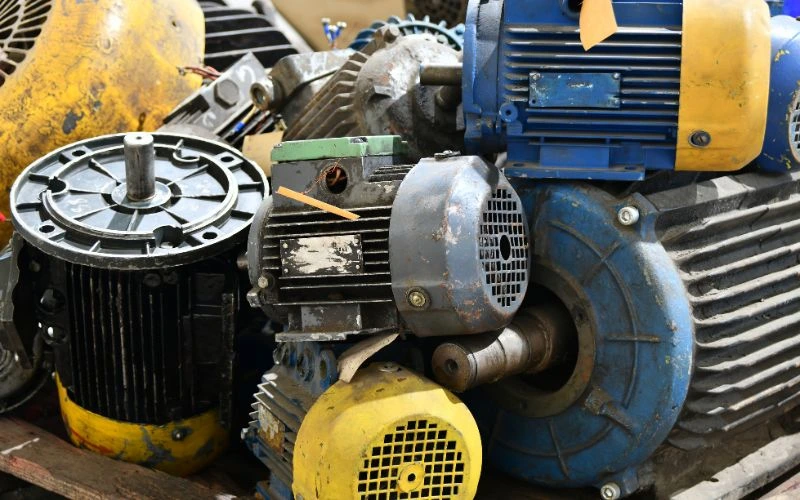
It control encompasses managing and regulating alternating current (AC) motors widely used in industrial, commercial, and residential applications. It offers several advantages, including higher efficiency, lower maintenance requirements, and better speed control than their DC counterparts.
Various techniques are employed for AC motor control. Depending on the AC motor used, a common method is voltage-frequency control, which adjusts the frequency of the voltage supplied to the motor to regulate its speed. This approach allows for precise speed control by varying the frequency while keeping the voltage constant according to the motor’s specifications.
Another widely utilized technique is vector control or field-oriented control (FOC). Similar to its implementation in DC motor control, vector control decouples the torque and magnetic flux components in an AC motor. This allows independent control over these parameters and enables more accurate and efficient operation.
One important component in AC motor control is the variable frequency drive (VFD), which converts fixed-frequency AC power into adjustable-frequency power suitable for controlling AC motors. VFDs are crucial in adjusting AC motors’ speed and torque output based on the desired application requirements.
For example, in HVAC systems, precise speed and torque regulation of AC motors ensures efficient temperature regulation while minimizing energy consumption. In industrial automation processes, AC motors with advanced control systems enable accurate positioning and smooth operation of robotic arms or conveyor belts.
Choosing the Right Motor for Your Needs
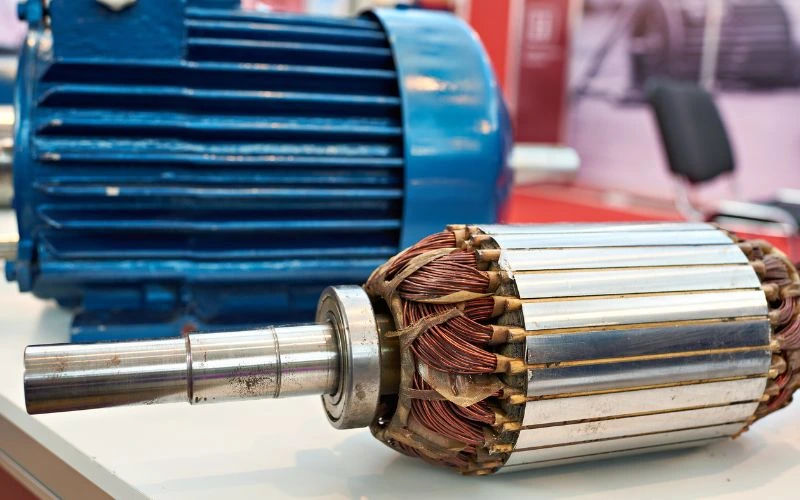
Several factors must be considered when selecting the right motor for your application. Understanding these key aspects will help you make an informed decision and ensure optimal performance for your needs.
First and foremost, it’s important to assess your application’s power requirements. Consider the torque and speed necessary to achieve the desired output. A motor with too little power may result in inefficiency or failure to meet your requirements, while a motor with excessive power could be unnecessary and costly.
Next, consider the operating environment and conditions to which the motor will be subjected. Will it be exposed to extreme temperatures, moisture, or dust? In such cases, you will need a motor with appropriate protection measures like sealing or insulation. Additionally, consider the available space for installation, as certain motors may have size constraints.
Another crucial factor is understanding the type of load the motor will drive. Different types of loads require specific motor characteristics. For example, a high inertia load would benefit from a motor with high starting torque capability, while a variable load might need a motor with good speed control capabilities.
To illustrate this point further, let’s consider a scenario where you need a motor for an HVAC system in a commercial building. In this case, you would need a motor to handle continuous operation at varying speeds while maintaining high energy efficiency. You might opt for an energy-efficient induction motor or even explore newer technologies like permanent magnet synchronous motors (PMSM) or brushless DC motors (BLDC) with advanced control capabilities.
Supporting Article
Types of Rotary Electric Motors