Unveiling the Role of Buchholz Relay in Transformer Protection
What is a Buchholz Relay?
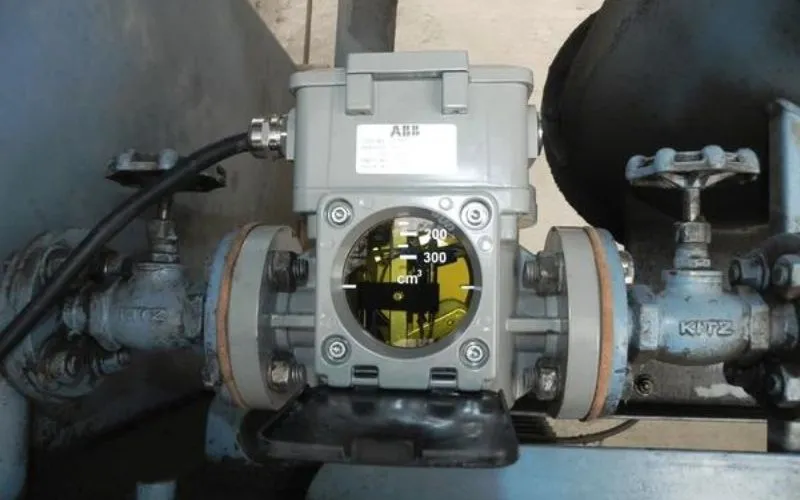
The Buchholz relay, named after its inventor, Max Buchholz, is a protective device used in oil-immersed transformers. Its primary function is to detect and respond to incipient faults within the transformer, preventing major damage and ensuring its longevity. The Buchholz relay is a reliable early warning system for various transformer faults installed in the oil-filled conservator tank.
Components of Buchholz Relay
Before delving into its functionality, let’s understand the key components of a Buchholz relay:
- Float Chamber: Positioned within the conservator tank, the float chamber contains a float that moves in response to changes in oil flow caused by faults.
- Oil Flow Indicator: Monitors oil flow within the transformer, signaling abnormalities that may indicate developing faults.
- Alarm Contacts: Activated when the float rises to a certain level, triggering an alarm to alert operators of potential issues.
- Trip Contacts: In severe faults, the Buchholz relay can trip the transformer offline, preventing further damage.
How Does the Buchholz Relay Work?
The operation of the Buchholz relay is based on the principle that various types of faults in a transformer generate characteristic gas and oil flow patterns. These patterns are detected by the relay, which responds accordingly. Here’s a step-by-step explanation of its operation:
- Normal Operation: During normal transformer operation, the float inside the Buchholz relay remains in its lower position, allowing free oil to flow through the relay.
- Incipient Faults: When faults such as overheating, partial discharges, or insulation failures occur, gases are generated within the transformer. The gas, being lighter than oil, rises to the top of the conservator tank, causing the float to rise.
- Float Movement: As the float moves upwards, it activates the oil flow indicator and triggers the alarm contacts. This early warning allows operators to investigate and address potential issues before they escalate.
- Severe Faults: In the case of severe faults like internal short circuits or major insulation failures, a rapid increase in gas production occurs. This sudden surge in gas causes the float to rise rapidly, activating the trip contacts and disconnecting the transformer from the power system.
Applications of Buchholz Relay
The Buchholz relay finds widespread use in various transformer applications, contributing significantly to system reliability. Some key applications include:
- Power Transformers: Used in large power transformers, the Buchholz relay provides essential protection against faults that could compromise the integrity of the transformer.
- Distribution Transformers: The Buchholz relay is crucial in preventing catastrophic failures and ensuring uninterrupted power supply even in smaller transformers.
- Oil-filled Transformers: Due to its design and reliance on oil flow, the Buchholz relay is primarily employed in oil-filled transformers where gas generation indicates potential faults.
Advantages of Buchholz Relay
- Early Fault Detection: The Buchholz relay detects incipient faults, allowing timely intervention and maintenance.
- Prevention of Catastrophic Failures: By tripping the transformer during severe faults, the relay prevents extensive damage and minimizes downtime.
- Cost-Effective Protection: Considering the potential costs associated with transformer failures, the Buchholz relay provides a cost-effective means of protection.
Challenges and Considerations

While the Buchholz relay is a robust protective device, it is essential to consider certain challenges and factors:
- False Alarms: External factors such as temperature variations or minor oil leakages can trigger false alarms, necessitating careful monitoring and calibration.
- Maintenance Requirements: Regular maintenance is crucial to ensure the proper functioning of the Buchholz relay, including periodic checks of float movement and alarm/trip contacts.
- Compatibility: The suitability of the Buchholz relay depends on the transformer design and type, requiring a thorough understanding of the specific application.
Conclusion
FAQs
1. How frequently should the Buchholz relay be tested and maintained?
Regular testing and maintenance of the Buchholz relay are paramount for ensuring its effective operation. Industry standards recommend conducting thorough checks at least once a year. This routine examination includes inspecting the float movement, testing the alarm and trip contacts, and verifying the overall responsiveness of the relay. More frequent inspections may be necessary for critical applications to address potential issues promptly.
2. Is it possible to retrofit the Buchholz relay into existing transformers?
Yes, retrofitting the Buchholz relay into existing transformers is often a viable option. However, it requires carefully assessing the transformer’s design and compatibility with the relay. Engaging with experienced professionals during retrofitting ensures seamless integration, enhancing the transformer’s protective capabilities without compromising its existing functionalities.
3. Are there alternative protective devices to the Buchholz relay?
While the Buchholz relay is a widely adopted protective device, alternatives exist. Pressure relief devices and gas detectors are alternatives used in certain applications. However, the choice between these devices depends on factors such as the transformer’s design, the level of sensitivity required, and the specific fault scenarios anticipated. Each protective device comes with its own set of advantages and considerations, making it essential to tailor the choice to the unique characteristics of the power system in question.