A Guide to Transformer Maintenance for Peak Performance
Transformers are indispensable components in power distribution systems, facilitating the efficient transfer of electrical energy. A well-structured and proactive maintenance approach is imperative to ensure the longevity, reliability, and optimal performance of these vital assets. In this comprehensive guide, we delve into the intricacies of transformer maintenance, shedding light on best practices, key types of maintenance, and the significance of regular inspections. Whether you are a seasoned professional in the field or a newcomer seeking insights, this guide aims to equip you with the knowledge needed to uphold the health of transformers within your power infrastructure.
Importance of Transformer Maintenance
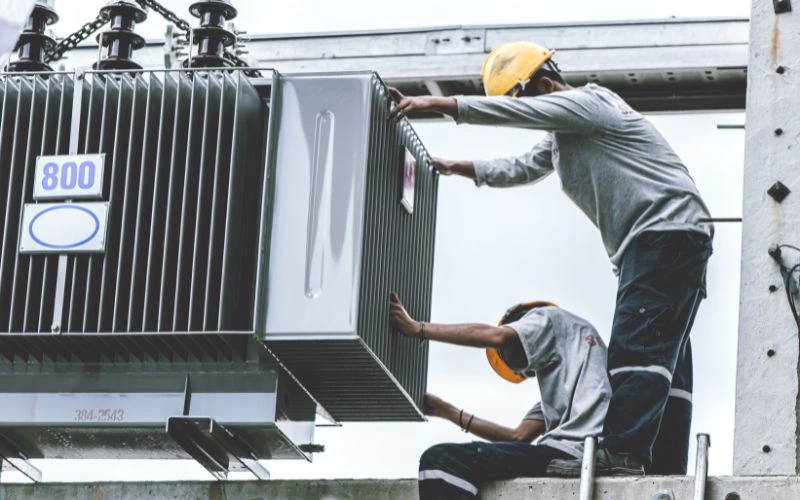
Transformers are the backbone of power distribution networks, facilitating the transfer of electrical energy from one circuit to another. Regular maintenance is essential to:
- Prolong Lifespan: Timely maintenance helps extend the operational life of transformers, safeguarding your investment.
- Ensure Reliability: Well-maintained transformers provide a reliable power supply, minimizing downtime and disruptions.
- Enhance Efficiency: Proper maintenance optimizes transformer performance, ensuring efficient energy transfer.
Types of Transformer Maintenance
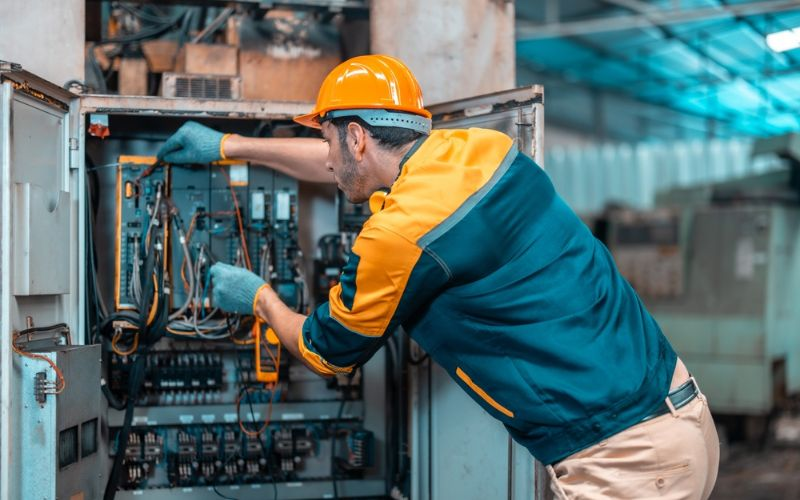
As critical components in power distribution systems, transformers require various types of maintenance to ensure their optimal performance and longevity. Here are the key types of transformer maintenance:
Preventive Maintenance
Preventive maintenance involves proactive measures taken at scheduled intervals to identify and address potential issues before they escalate. This type of maintenance aims to prevent failures and extend the transformer’s lifespan.
Activities Include
- Visual Inspections: Regular checks for visible wear, corrosion, or damage signs.
- Testing of Insulation Resistance: Ensuring the integrity of the insulation to prevent electrical breakdowns.
- Oil Quality Analysis: Regularly testing transformer oil for contamination and degradation.
- Tightening Connections: Prevent loose connections that can lead to arcing and electrical faults.
Corrective Maintenance
Corrective maintenance is reactive and involves addressing identified issues or failures. It is performed after a problem has been detected through routine inspections or monitoring.
Activities Include:
- Component Repair or Replacement: Fixing or replacing faulty transformer components.
- Insulation Repair: Addressing insulation issues to maintain electrical integrity.
- Transformer Overhauling: Comprehensive refurbishment to extend the transformer’s operational life.
Predictive Maintenance
Predictive maintenance relies on data and analytics to forecast potential problems and schedule maintenance activities accordingly. This approach minimizes downtime and maximizes the efficiency of maintenance efforts.
Activities Include:
- Temperature Monitoring: Regularly checking and analyzing the operating temperature of the transformer.
- Dissolved Gas Analysis: Monitoring and analyzing gases dissolved in transformer oil to detect internal faults.
- Condition Monitoring Devices: Utilizing sensors and devices to track various parameters and predict potential issues.
Condition-Based Maintenance
Condition-based maintenance involves performing maintenance activities based on the transformer’s real-time condition. This type of maintenance is highly dependent on continuous monitoring and data analysis.
Activities Include:
- Continuous Monitoring: Implementing sensors and monitoring devices for ongoing assessment.
- Data Analysis: Utilizing data analytics to identify trends and predict maintenance needs.
- Real-Time Interventions: Taking immediate action based on real-time data to prevent failures.
Emergency Maintenance
Emergency maintenance is carried out in response to unexpected failures or critical issues that require immediate attention. While not ideal, this type of maintenance is crucial for minimizing downtime and preventing further damage.
Activities Include:
- Emergency Repairs: Addressing urgent issues to restore transformer functionality.
- Isolating Faults: Quickly identifying and isolating faults to prevent widespread outages.
Understanding and implementing a combination of these types of maintenance is essential for establishing a comprehensive and effective transformer maintenance strategy. This approach ensures transformers’ reliability, longevity, and efficiency in power distribution systems.
Best Practices for Transformer Maintenance
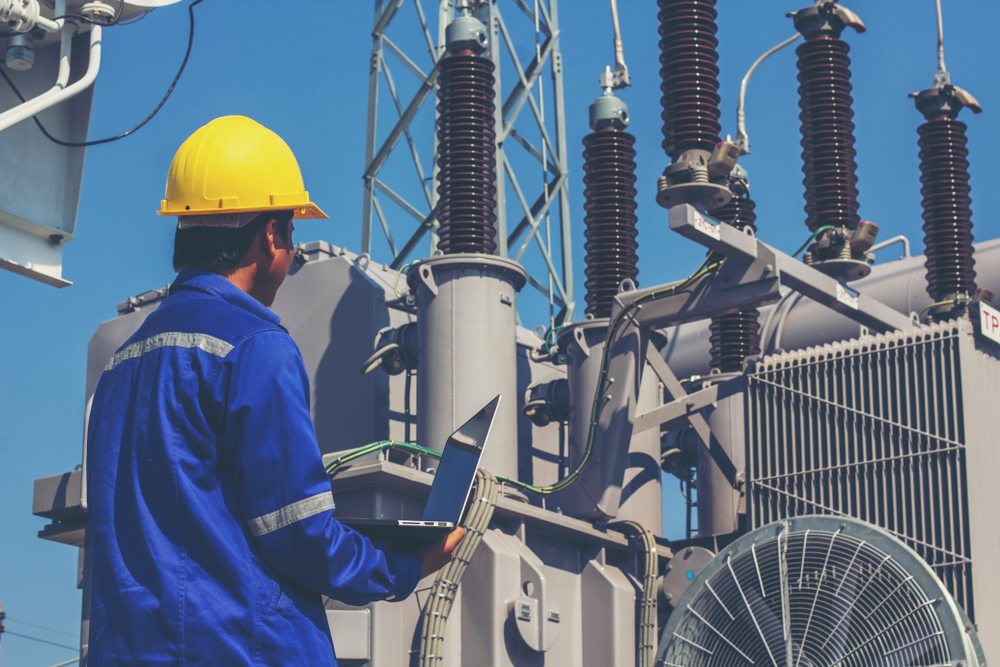
Adhering to best practices can establish a robust and effective transformer maintenance routine, ensuring the longevity, reliability, and efficiency of your transformers.
Regular Inspections
Routine visual inspections are a cornerstone of effective transformer maintenance. This involves thoroughly examining the transformer and its components to identify any visible performance issues.
Key Areas to Inspect:
- Bushings, arresters, and insulators for signs of wear or damage.
- Exterior surfaces for oil leaks, discoloration, or corrosion.
- Cooling systems, ensuring proper airflow and cleanliness.
- General cleanliness of the transformer surroundings.
Oil Quality Management
Transformer oil is a vital component that insulates and cools the transformer. Regularly testing the quality of transformer oil is crucial for maintaining optimal performance.
Testing Parameters:
- Moisture content to prevent insulation breakdown.
- Acidity levels to monitor oil degradation.
- Dielectric strength for insulation effectiveness.
- Contaminant levels, such as dust and metals.
Temperature Monitoring
It is essential to keep a close eye on the transformer’s operating temperature. Elevated temperatures can indicate potential issues that may lead to reduced efficiency and increased wear and tear.
Monitoring Techniques:
- Regularly check the temperature of the transformer’s core and winding.
- Utilize thermal imaging for a comprehensive assessment.
- Ensure that cooling systems, such as fans and radiators, function correctly.
Load Management
Proper load management is critical for preventing overloading, leading to overheating and decreasing transformer efficiency.
Key Load Management Practices:
- Regularly assess the transformer’s load capacity.
- Implement load-shedding strategies during peak demand.
- Consider upgrading transformers for increased capacity if necessary.
Cleanliness
Maintaining a clean environment around the transformer prevents overheating and ensures optimal airflow.
Cleaning Protocols:
- Remove debris, vegetation, and other obstructions around the transformer.
- Regularly clean cooling fins and radiators to promote efficient heat dissipation.
- Control rodent and insect infestations that could affect transformer components.
Tightening Connections
Periodically checking and tightening electrical connections is crucial for preventing arcing and ensuring a secure electrical path.
Tightening Procedures:
- Use appropriate torque values for fasteners to avoid over-tightening or under-tightening.
- Inspect and tighten loose connections during routine maintenance.
- Consider using corrosion-resistant materials for connections in outdoor environments.
Dissolved Gas Analysis
Regularly performing dissolved gas analysis is a proactive approach to identifying internal faults and preventing potential transformer failures.
Analyzing Dissolved Gases:
- Monitor and analyze the concentration of methane, ethane, and acetylene gases.
- Elevated levels of certain gases can indicate specific types of faults.
- Timely intervention based on gas analysis results can prevent major transformer failures.
Transformer Maintenance Schedule
| Activity | Frequency |
|---|---|
| Visual Inspection | Monthly |
| Oil Quality Analysis | Quarterly |
| Insulation Resistance Testing | Annually |
| Dissolved Gas Analysis | Bi-annually |
| Tightening Connections | Bi-annually |
| Full Transformer Inspection | Every 5-10 years |
Conclusion
FAQs
1. How often should transformer oil be tested?
Transformer oil should undergo testing at least quarterly to assess its quality and identify potential issues. Regular testing helps detect moisture, acidity, and contaminants, ensuring the oil remains in optimal condition for insulation and cooling.
2. What are the signs of a failing transformer during visual inspections?
Visual inspections may reveal signs such as oil leaks, discoloration, or corrosion on the transformer’s exterior. Physical damage to bushings, arresters, or insulators could also indicate potential problems. Addressing these issues is crucial to prevent further damage and ensure reliable transformer performance.
3. Why is it important to monitor dissolved gases in transformers?
Monitoring dissolved gases in transformer oil is crucial as it provides insights into potential internal faults. Elevated levels of gases like methane, ethane, and acetylene can indicate specific issues within the transformer. Timely intervention based on gas analysis helps prevent major failures and ensures the transformer’s continued functionality.