Solar Cell Working Principle: Illuminating the Path to Clean Energy
Understanding the solar cell working principle is essential for comprehending the remarkable process by which sunlight is transformed into electricity. Solar cells, also known as photovoltaic cells, serve as the building blocks of solar energy systems, converting sunlight directly into usable electrical power through a fascinating phenomenon known as the photovoltaic effect. This article delves into the intricacies of how solar cells operate, shedding light on the science behind this sustainable energy solution.
What is a Solar Cell?

A solar cell, often called a photovoltaic cell, is a semiconductor device that converts sunlight directly into electricity. These cells are the building blocks of solar panels, the primary components of solar power systems.
History of Solar Cells
- Genesis of Photovoltaic Effect: French physicist Alexandre-Edmond Becquerel’s discovery of the photovoltaic effect in 1839 laid the foundation for solar cell technology.
- Early Developments: The first practical solar cell was constructed by Bell Laboratories in 1954, utilizing silicon as the semiconductor material.
- Technological Advancements: Over the decades, research and development efforts have led to improved efficiency, reduced costs, and diversified materials, expanding the applications of solar cells.
Solar Cell Working Principle
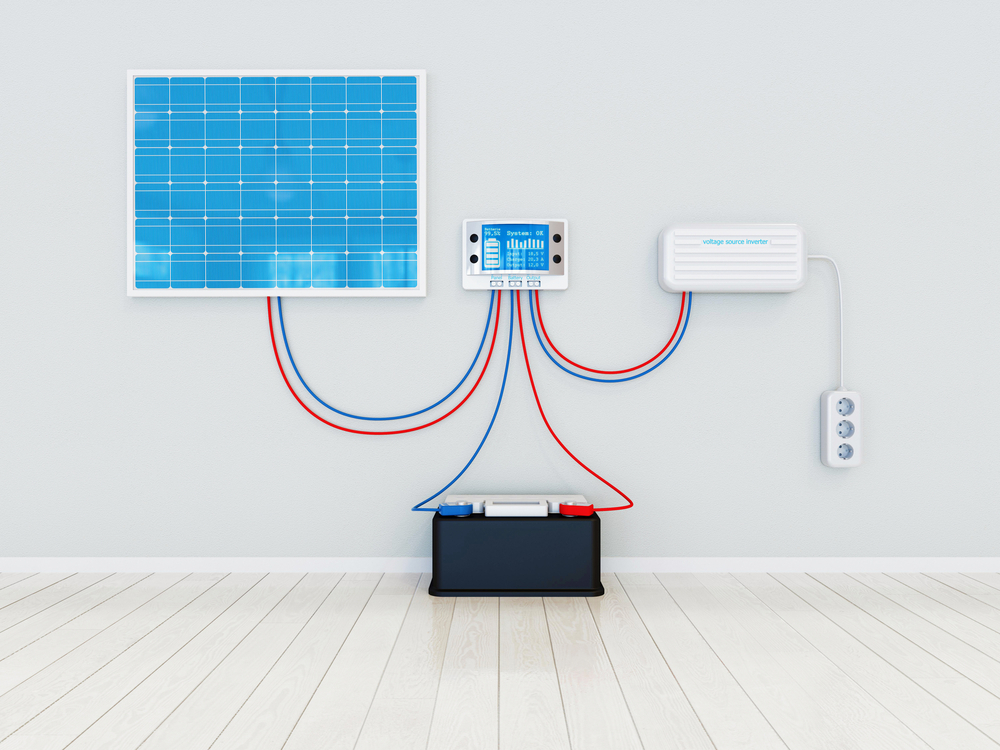
Solar cells, also known as photovoltaic cells, convert sunlight directly into electricity through the photovoltaic effect. These cells are crucial in renewable energy systems, powering everything from small calculators to large-scale solar power plants. Understanding the working principle of solar cells is fundamental to grasping their significance in sustainable energy.
The Photovoltaic Effect
At the heart of every solar cell lies the photovoltaic effect, a phenomenon first discovered by Alexandre-Edmond Becquerel in 1839. The photovoltaic effect occurs when certain materials generate an electric current in response to light exposure. This effect is the foundation upon which solar cells operate.
Semiconductor Materials
Solar cells are primarily made from semiconductor materials, typically silicon. Silicon’s atomic structure allows it to conduct electricity under certain conditions. When light strikes the surface of a semiconductor material, it excites electrons, causing them to break free from their atomic bonds and create electron-hole pairs.
Generation of Electron-Hole Pairs
When photons from sunlight hit the surface of a solar cell, they transfer their energy to electrons in the semiconductor material. This energy absorption promotes some electrons to higher energy levels, leaving holes in the material’s atomic structure. The result is the creation of electron-hole pairs within the semiconductor.
Electron Flow and Current Generation
Once the electron-hole pairs are generated, an internal electric field within the solar cell causes the electrons to flow in one direction, creating a current. This flow of electrons constitutes the electricity generated by the solar cell. Connecting an external circuit to the solar cell can harness this electricity for various applications.
PN Junction
The basic structure of a solar cell involves a PN junction, where two types of semiconductor materials, namely P-type and N-type silicon, are joined together. The PN junction plays a crucial role in facilitating the separation of electron-hole pairs and the generation of an electric field within the solar cell.
Solar Cell Structure

Solar cells typically consist of multiple layers, each serving a specific purpose in the energy conversion process. These layers include the front contact, anti-reflective coating, semiconductor material, and back contact. Each layer is carefully designed to maximize light absorption and electron flow while minimizing energy losses.
Role of Solar Cell Components
- Front Contact: This transparent layer allows sunlight to pass through while providing a conductive path for the generated electricity.
- Anti-Reflective Coating: Reduces the reflection of sunlight, ensuring more photons are absorbed by the semiconductor material.
- Semiconductor Material: The heart of the solar cell, where the photovoltaic effect occurs.
- Back Contact: Completes the circuit, allowing the flow of electrons back into the semiconductor material after passing through the external load.
Efficiency and Performance
The efficiency of a solar cell refers to the percentage of sunlight converted into electricity. Various factors influence solar cell efficiency, including the type of semiconductor material, manufacturing techniques, and environmental conditions. Technological advances continue to improve solar cells’ efficiency and performance, making them increasingly competitive with traditional energy sources.
Advantages of Solar Cells
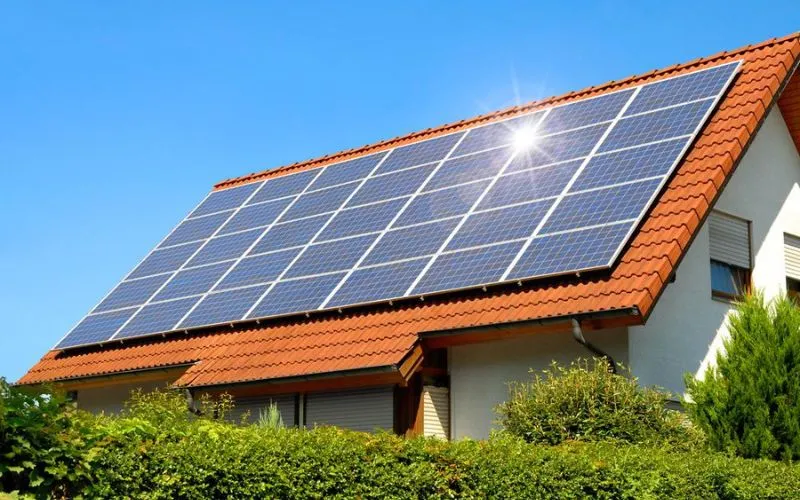
Harnessing the solar cell working principle offers numerous benefits:
- Renewable Energy Source: Solar energy is abundant and inexhaustible, offering a sustainable alternative to fossil fuels.
- Environmentally Friendly: Solar power generation produces no greenhouse gas emissions, mitigating climate change and reducing air pollution.
- Cost Savings: Once installed, solar panels require minimal maintenance and offer long-term cost savings on electricity bills.
- Versatility: Solar cells can be integrated into various applications, from rooftop solar panels to portable chargers, providing flexibility in energy generation.
Conclusion
FAQs
1. How efficient are solar cells?
Solar cell efficiency varies depending on the semiconductor material used and the manufacturing process. Currently, the most efficient commercial solar cells have efficiencies exceeding 20%, with research-grade cells reaching even higher levels. However, ongoing research and development aim to enhance efficiency further and reduce costs.
2. Do solar cells work on cloudy days?
While solar cells perform optimally under direct sunlight, they can still generate electricity on cloudy days. Even diffused sunlight contains enough photons to trigger the photovoltaic effect, albeit at reduced efficiency. Technological advancements, such as bifacial solar panels and tracking systems, also improve energy production in varying weather conditions.
3. What is the lifespan of solar cells?
Solar cells typically come with warranties ranging from 20 to 25 years, but their lifespan can exceed 30 years with proper maintenance. While the efficiency of solar panels may degrade slightly over time, modern manufacturing techniques ensure durability and reliability. Regular inspection and maintenance can prolong the lifespan of solar cells and maximize their performance.