Unlocking World of Regulated Power Supply for Reliable Electronic
Ensuring a stable and reliable power supply is crucial in electronics. Whether you’re designing a cutting-edge device or maintaining a critical system, the importance of a regulated power supply cannot be overstated. This comprehensive guide will delve into the intricate world of regulated power supplies, exploring their significance, working principles, characteristics, applications, operation, and more. By the end of this article, you’ll understand why regulated power supplies are indispensable for the smooth operation of electronic devices.
What Is a Regulated Power Supply?
A regulated power supply is an electronic device or circuit that provides a constant and controlled output voltage, regardless of variations in input voltage or load conditions. It ensures that the voltage supplied to connected electronic devices remains within a specified range, preventing voltage fluctuations that can lead to malfunctions or damage.
Working Principle of Regulated Power Supply
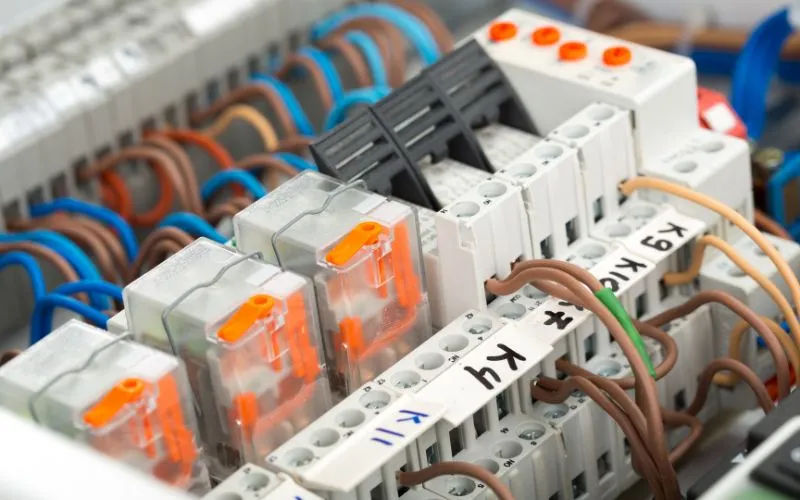
The working principle of a regulated power supply involves several key components and processes:
- Transformer: In most cases, an input transformer is used to step steps from the main power supply to a suitable level.
- Rectification: The AC voltage is then rectified into DC voltage using diodes, creating a pulsating DC waveform.
- Filtering: Capacitors are employed to pulsations in the DC voltage, resulting in a more stable output.
- Voltage Regulation: A voltage regulator, which can be linear or switching, is utilized to mmaintainsut voltage by adjusting its internal components based on feedback from the output.
Types of Regulated Power Supplies
Regulated power supplies come in various types, each catering to specific applications and requirements. Here are some of the most common types:
Linear Regulated Power Supplies
Linear-regulated power supplies are known for their simplicity and reliability. They use linear voltage regulators to maintain a constant output voltage. While they are efficient for low to moderate-power applications, they tend to dissipate excess energy as heat, making them less efficient for high-power devices.
Switching Regulated Power Supplies
Switching-regulated power supplies, also known as switch-mode power supplies, are highly efficient and compact. They use switching transistors and inductors to convert input voltage into a stable output voltage. This type of power supply is ideal for high-power applications and is often found in modern electronics.
Benchtop Regulated Power Supplies
Benchtop-regulated power supplies are versatile, laboratory-grade devices that control voltage and current precisely. They are used in electronics labs for prototyping, testing, and research purposes.
Regulated Power Supply Characteristics

Regulated power supplies possess several important characteristics that make them stand out:
- Stable Voltage Output: Regulated power supplies provide a consistent voltage output, ensuring electronic device thele operation. Of electronic devices
- Protection Against Voltage Fluctuations: They protect connected devices from voltage spikes and fluctuations, preventing damage due to overvoltage or undervoltage conditions.
- Improved Efficiency: Switching regulated power supplies, particularly, are highly efficient, minimizing energy wastage and reducing operating costs.
- Precise Control: Benchtop-regulated power supplies allow precise control over voltage and current, making them essential tools for electronics professionals and hobbyists.
Applications of Regulated Power Supply
Regulated power supplies find applications across a wide range of industries and settings:
- Electronics Manufacturing: They are used to produce electronic devices to ensure consistent performance and quality.
- Telecommunications: Regulated power supplies are crucial in maintaining network infrastructure and ensuring uninterrupted communication.
- Medical Equipment: Medical devices rely on regulated power supplies for accurate and reliable results.
- Automotive Industry: Regulated power supplies are used in vehicle electronics, ensuring safety and functionality.
Operation of Regulated Power Supply
A regulated power supply operation involves operating constant output voltage, even in changing input when the input voltage changes or the load conditions vary through the feedback mechanism within the voltage regulator. The regulator continuously monitors the output voltage and adjusts its internal components to counteract deviations, ensuring the output remains within the specified range.
Benefits of Regulated Power Supplies

Regulated power supplies offer a multitude of benefits that make them indispensable in various industries and applications:
- Stable Voltage Output: Regulated power supplies provide a consistent voltage output, ensuring electronic device operation. Of electronic devices
- Protection Against Voltage Fluctuations: They protect connected devices from voltage spikes and fluctuations, preventing damage due to overvoltage or undervoltage conditions.
- Improved Efficiency: Switching regulated power supplies, particularly, are highly efficient, minimizing energy wastage and reducing operating costs.
- Precise Control: Benchtop-regulated power supplies allow precise control over voltage and current, making them essential tools for electronics professionals and hobbyists.
Conclusion
Regulated power supplies are the unsung heroes of electronics, providing the stability and control necessary for modern devices to function flawlessly. Whether you’re a seasoned electronics engineer or a hobbyist tinkering with circuits, understanding the importance, working principles, types, characteristics, applications, benefits, and operation of regulated power supplies is valuable. With this knowledge, you can ensure the longevity and reliability of your electronic creations and innovations.
FAQs
1. Why is a regulated power supply important in electronics?
A regulated power supply is vital in electronics because it ensures a stable and controlled voltage output, protecting electronic devices from damage due to voltage fluctuations. It also contributes to the reliability and performance of electronic systems.
2. What is the difference between linear and switching regulated power supplies?
Linear-regulated power supplies use linear voltage regulators and are simple but less efficient, suitable for low to moderate power applications. Switching regulated power supplies, on the other hand, are highly efficient and compact, making them ideal for high-power applications.
3. How can I choose the right regulated power supply for my project?
To choose the right regulated power supply, consider your project’s power requirements, voltage and current needs, efficiency, and budget. Consult with a professional or refer to manufacturer specifications for guidance.
4. Are there any drawbacks to using regulated power supplies?
While regulated power supplies offer numerous advantages, they are not without limitations. One common drawback is their cost, as high-quality regulated power supplies can be relatively expensive.