What is MCB and How It Electrifies Safety in Modern Circuits?
What is MCB?
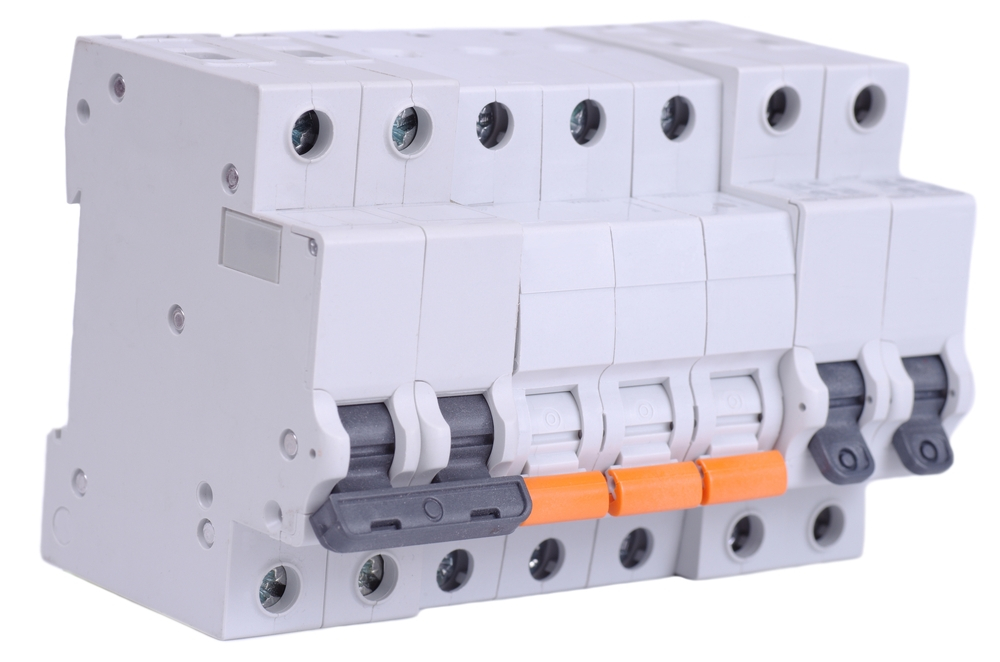
At its core, an MCB, or Miniature Circuit Breaker, is an indispensable component of electrical circuits. Unlike traditional fuses, MCBs offer a resettable solution for protection against electrical overloads and short circuits. This enhances user-friendliness and contributes to the overall efficiency of electrical systems.
The Anatomy of an MCB
The Miniature Circuit Breaker (MCB) consists of three main components. The operating mechanism allows manual control, enabling users to switch the MCB on or off. The thermal-magnetic trip unit detects overcurrents and short circuits, triggering a swift response. The arc-extinguishing system uses advanced technologies to snuff out electrical arcs during interruptions, enhancing overall safety.
Breaking Down Components
Dissecting an MCB’s components is essential to comprehending its functionality. MCB typically consists of three primary elements: the operating mechanism, the thermal-magnetic trip unit, and the arc-extinguishing system.
- Operating Mechanism: The operating mechanism of an MCB is the manual control interface, allowing users to switch the circuit breaker on or off as needed. It is the gateway for users to actively manage and control the electrical circuit, providing flexibility and ease of operation.
- Thermal-Magnetic Trip Unit: This crucial component is responsible for sensing overcurrents and short circuits. The thermal aspect responds to prolonged overcurrents, while the magnetic part reacts swiftly to short circuits. The integration of these elements ensures a comprehensive and efficient response to a variety of electrical faults.
- Arc-Extinguishing System: The arc-extinguishing system within an MCB employs sophisticated technologies to extinguish electrical arcs generated during the interruption process. By promptly suppressing these arcs, the MCB enhances safety and minimizes the risk of electrical fires, making it an integral part of the circuit breaker’s design.
Trip Characteristics
MCBs come with different trip characteristics, each tailored to specific applications. The choice of trip characteristic depends on the nature of the electrical load being protected.
- Type B: Suitable for general-purpose circuits, Type B MCB offers a balanced response to various loads, protecting overcurrents without being overly sensitive.
- Type C: Ideal for circuits with motors or other inductive loads, Type C MCB provides a more discerning response, ensuring effective protection in applications where inrush currents are common.
- Type D: Designed for highly sensitive electronic equipment and circuits, Type D MCB offer the most precise response to overcurrents, making them suitable for delicate applications where precision is paramount.
Significance of MCBs in Electrical Systems
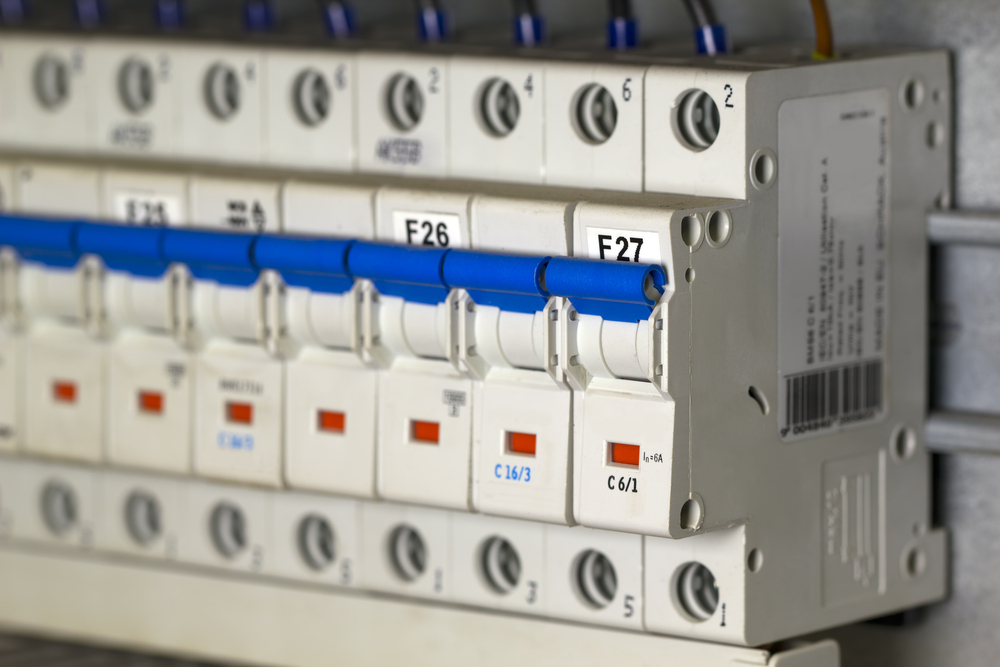
MCBs are crucial for system integrity, offering overload protection against prolonged excess current. In short circuits, MCBs swiftly disconnect the circuit, preventing equipment damage and ensuring safety. User-friendly and resettable, MCBs surpass traditional fuses, becoming the preferred choice for reliable and safe electrical installations.
Overload Protection
A primary function of MCB is to protect electrical circuits from overload conditions. When the current exceeds the MCB’s rated capacity for an extended period, the thermal trip unit trips the circuit. This proactive measure prevents potential damage to connected devices and ensures the longevity of the overall system.
Short Circuit Protection
In the event of a short circuit, the MCB’s magnetic trip unit reacts instantly, disconnecting the circuit and preventing catastrophic consequences. This rapid response safeguards equipment and minimizes the risk of harm to nearby individuals.
User-Friendly Operation
One of the distinct advantages of MCBs over traditional fuses is their user-friendly operation. Unlike fuses that require replacement after tripping, MCBs can be easily reset by flipping the switch to the “on” position. This convenience makes MCBs a preferred choice for various applications, contributing to widespread adoption.
MCBs in Residential and Industrial Settings

Residential Applications
In residential settings, MCB is extensively used to protect lighting circuits, power outlets, and household appliances. Its compact size, ease of use, and reliability make it an ideal choice for homeowners seeking a robust solution for electrical safety.
Industrial Installations
In industrial settings, where complex machinery and intricate electrical systems are the norm, MCBs play a crucial role in ensuring the reliability and safety of operations. Their ability to provide selective coordination is particularly valuable. They allow only the affected circuit to be isolated during a fault, minimizing downtime and associated costs.
Conclusion
In conclusion, understanding the significance of MCBs is paramount for anyone involved in electrical systems, whether at home or in an industrial setting. As a cornerstone of electrical safety, MCBs provide efficient protection against overcurrents and short circuits, ensuring the longevity of equipment and the safety of individuals. As technology advances, MCBs evolve, maintaining their crucial role in modern electrical installations. Embracing MCBs enhances the overall safety of electrical systems and contributes to a more sustainable and reliable future in electrical engineering.
Related Article
FAQs
How does an MCB differ from a traditional fuse?
MCBs provide a resettable solution, allowing users to restore power after a tripping event. Unlike traditional fuses requiring replacement, MCBs offer enhanced user-friendliness and cost-effectiveness over the long term.
Can I install MCBs myself, or should I consult a professional?
While MCBs are designed for user-friendly operation, consulting a qualified electrician for installation is advisable. Professionals can ensure proper sizing, wiring, and adherence to safety standards, ensuring a safe and effective installation.
What trip characteristic should I choose for my electrical installation?
The choice of trip characteristic (B, C, or D) depends on the type of load in your circuit. A Type B MCB is suitable for general-purpose circuits, while more specialized applications may require Types C or D for enhanced protection.