

The Construction of Solar Cells: A Comprehensive Guide
Solar cells, also known as photovoltaic cells, are the building blocks of solar panels and play a pivotal role in converting sunlight into electricity. Understanding the construction of solar cells is essential for harnessing the power of the sun to generate clean and sustainable energy. This comprehensive guide will delve into the intricate details of constructing solar cells, exploring the materials, technologies, and processes involved.
The Basics of Solar Cell Construction
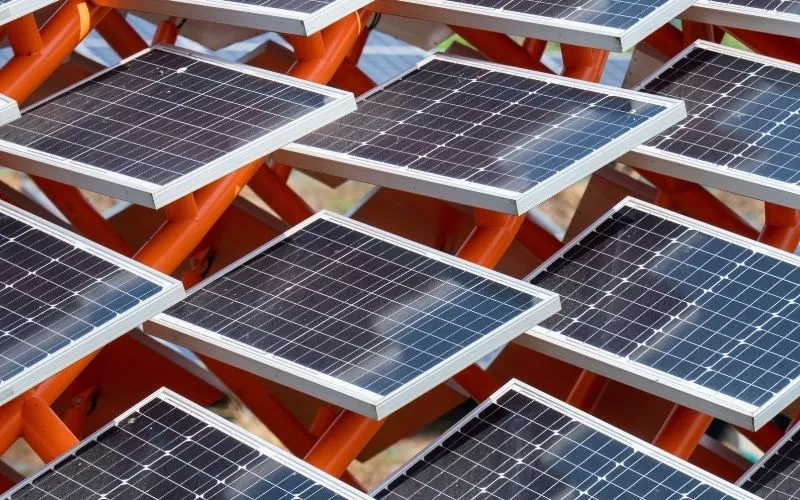
Solar cells rely on silicon wafers to capture sunlight and convert it into electricity. These cells come in two main types, monocrystalline and polycrystalline, each with its own set of characteristics. The layers within a solar cell, from the front to the back contact, work harmoniously to harness the sun’s power.
Silicon – The Foundation of Solar Cells
Silicon is the primary material used in the construction of solar cells. It is chosen for its excellent semiconductor properties, making it ideal for capturing and converting sunlight into electrical energy. Silicon wafers, typically thin and flat, serve as the base material for solar cells.
The Types of Solar Cells
There are two main types of solar cells: monocrystalline and polycrystalline. Monocrystalline solar cells are made from a single crystal structure, resulting in higher efficiency but at a higher cost. Polycrystalline solar cells are constructed from multiple smaller crystals, making them more cost-effective but slightly less efficient.
Layers of a Solar Cell
A solar cell typically consists of several layers, each with a unique function. These layers include:
- Front Contact Layer: This layer is usually made of a transparent conductive material, such as indium tin oxide (ITO). It allows sunlight to pass through while collecting the electrons produced.
- Anti-reflective Coating: To minimize light reflection, an anti-reflective coating is applied to the front surface of the solar cell. This ensures that more sunlight is absorbed by the cell.
- P-N Junction: This is the heart of the solar cell. It is the interface between the p-type and n-type semiconductor materials. The p-n junction creates an electric field that helps separate electron-hole pairs generated when sunlight strikes the cell.
- Back Contact Layer: The back contact layer is typically made of a metal, such as aluminum. Its role is to collect and transport the generated electrons from the solar cell for electrical energy.
The Photovoltaic Effect
The photovoltaic effect is the fundamental process that allows solar cells to generate electricity. When sunlight hits the solar cell, it excites the electrons in the semiconductor material. This excitation creates electron-hole pairs, and the built-in electric field at the p-n junction separates these pairs. Electrons move towards the n-side, while holes move towards the p-side. This charge movement creates an electric current, which can be harnessed for various applications.
The Manufacturing Process
The journey of a solar cell begins with the growth of silicon crystals, which are then carefully sliced into thin wafers. Specific regions of these wafers are doped to create the crucial p-n junction. Subsequent steps involve applying conductive materials, anti-reflective coatings, and metal contacts. Rigorous testing ensures the quality of each cell, setting the stage for assembly into solar panels that can power our world with sustainable energy.
Crystal Growth
A single silicon crystal is grown from a seed crystal for monocrystalline solar cells, producing a large cylindrical ingot. In contrast, polycrystalline cells are made by melting multiple silicon fragments and then allowing them to solidify, creating a block of interconnected crystals.
Wafer Cutting
The ingots or blocks of silicon are then sliced into thin wafers using precision saws. These wafers are usually about 200 micrometers thick and are the foundation for individual solar cells.
Dopant Addition
To create the p-n junction, specific regions of the wafer are doped with different materials. Phosphorous is commonly used as a dopant for the n-type side, while boron is for the p-type side.
Front Contact Formation
A layer of transparent conductive material, such as ITO, is deposited on the front surface of the wafer. This layer will serve as the front electrical contact, allowing sunlight to pass through.
Anti-Reflective Coating
An anti-reflective coating is applied to the front surface to reduce reflection and increase light absorption.
P-N Junction Formation
A high-temperature diffusion process is used to create the p-n junction. During this process, phosphorous and boron atoms are diffused into the silicon wafer, making the necessary electric field.
Back Contact Formation
A metal back contact is applied to the back surface of the solar cell to collect the electrons and transport them out of the cell.
Testing and Sorting
Each solar cell is rigorously tested to ensure its electrical performance. Cells that meet the desired efficiency and quality standards are sorted for assembly into solar panels.
The Future of Solar Cell Construction
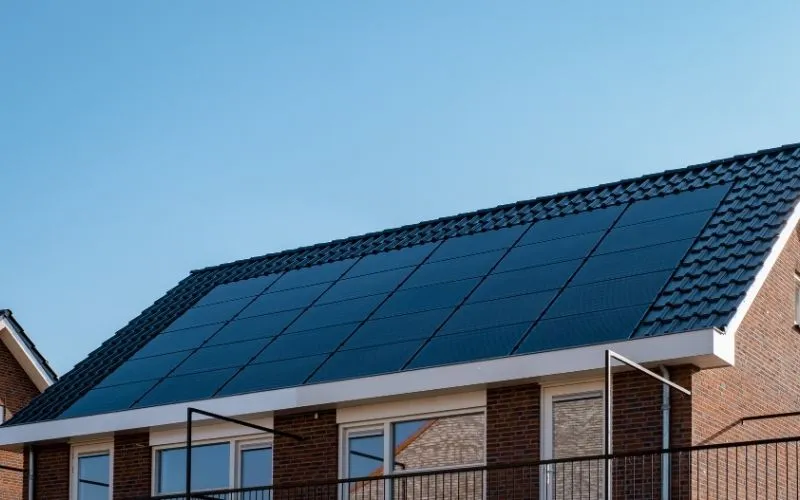
As technology advances, the construction of solar cells continues to evolve. Emerging technologies like perovskite solar cells and thin-film solar cells offer the potential for higher efficiency and lower production costs. Additionally, 3D solar cells, which capture sunlight from multiple angles, are being explored to improve energy capture in various conditions.
Integrating advanced materials and manufacturing techniques may lead to more affordable and efficient solar cells shortly, making solar energy even more accessible to a broader audience.
Conclusion
In conclusion, understanding the construction of solar cells is crucial for those looking to harness the power of solar energy. These remarkable devices are at the forefront of renewable energy technology. As technology advances, we can expect even more efficient and cost-effective solar cells to play a pivotal role in transitioning to a sustainable energy future. If you’re considering installing solar panels, it’s essential to consult with professionals who can guide you through the process and ensure a safe and efficient installation. With solar energy rising, embracing this clean and renewable power source has never been a better time.
FAQs
1. How long do solar cells last?
Solar cells have a long lifespan, typically 25 to 30 years or more. The lifespan can vary depending on the materials’ quality, maintenance, and environmental conditions.
2. What is the efficiency of solar cells?
The efficiency of solar cells varies depending on the type and quality of the cell. Monocrystalline solar cells are known for their high efficiency, often reaching 15-22%. Polycrystalline cells are slightly less efficient, typically in the 13-16% range. Newer technologies like perovskite solar cells promise even higher efficiency levels.
3. Can I install solar cells on my own?
While installing solar cells as a DIY project is possible, hiring a professional installer is highly recommended. Installing solar panels involves electrical work, and a professional can ensure the system is set up safely and efficiently. Additionally, professionals can help you navigate any necessary permits and incentives for solar installation in your area.
