Grounded Safety – Unveiling the Vital Role of Earthing System
In electrical engineering and infrastructure safety, the significance of earthing system cannot be overstated. Often unseen but critically important, these systems provide a vital function in ensuring the safe dissipation of electrical currents into the ground, thereby preventing potential hazards such as electric shocks, fires, and equipment damage. Understanding the fundamentals and various types of earthing systems is paramount for any establishment or project involving electrical installations. This article explores the intricacies of earthing systems, exploring their types, components, and importance in safeguarding personnel and equipment in diverse environments.
What is an Earthing System?
Components of an Earthing System
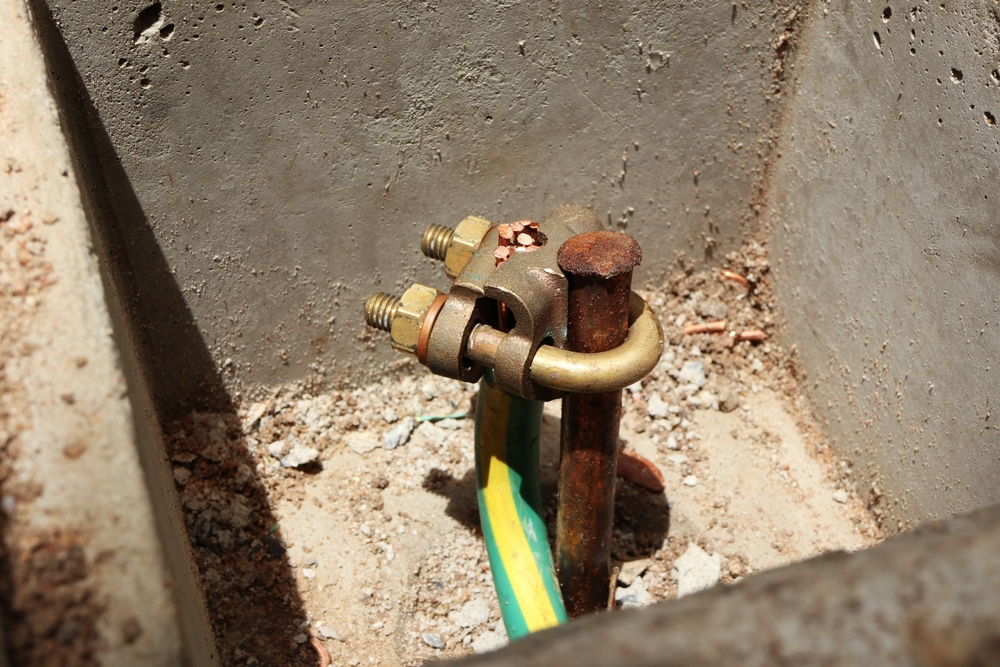
To comprehend the intricacies of earthing system, it’s imperative to familiarize oneself with its key components:
- Earthing Electrode: This primary component establishes contact with the earth. It can be rods, plates, or strips made of materials such as copper, galvanized steel, or stainless steel.
- Earthing Conductor: These conductive cables or wires connect electrical installations, equipment, or appliances to the earthing electrode. Due to its excellent conductivity and corrosion resistance, copper is often the preferred choice.
- Earth Pit: A dug-up pit filled with a mixture of charcoal, salt, and sand or a chemical compound to enhance the conductivity of the soil around the earthing electrode.
- Earthing Strip: Large metallic strips or grids provide a robust earthing network in industrial settings, especially in areas with high fault currents or lightning-prone environments.
Types of Earthing System
Earthing systems vary in design and configuration, each tailored to specific applications and environments. Understanding the different types of earthing systems is crucial for ensuring optimal safety and performance in electrical installations. Below are some common types:
TN-S System
The TN-S system, the separate earth and neutral system, is widely adopted in residential and commercial installations. In this configuration, separate conductors provide protective earth (PE) and neutral (N). The earthing conductor is connected directly to the earthing electrode, ensuring a low-impedance path for fault currents.This system earns recognition for its simplicity and effectiveness in diverting fault currents away from sensitive equipment and minimizing the risk of electric shock to individuals.
TT System
The TT system, or the multiple earth-neutral system, is characterized by individual connections of electrical appliances or devices to the earth electrode. Unlike the TN-S system, where a common earth is shared among multiple installations, each TT system device has a dedicated connection to the earth. While this approach offers enhanced safety and isolation, particularly in areas with unreliable earth connections or high fault currents, it can be more complex and costly to implement due to the need for multiple earth electrodes.
IT System
Commonly found in critical infrastructure such as hospitals, data centers, and industrial facilities, the IT or unearthed or isolated system is prevalent. In this configuration, there is intentional isolation between the electrical supply and the earthing network. While the electrical circuits operate without a direct connection to the earth, monitoring devices detect any insulation faults or ground leakage currents. The IT system offers high protection against electric shock and equipment damage, making it ideal for applications where uninterrupted power supply and safety are paramount.
Importance of Earthing Systems
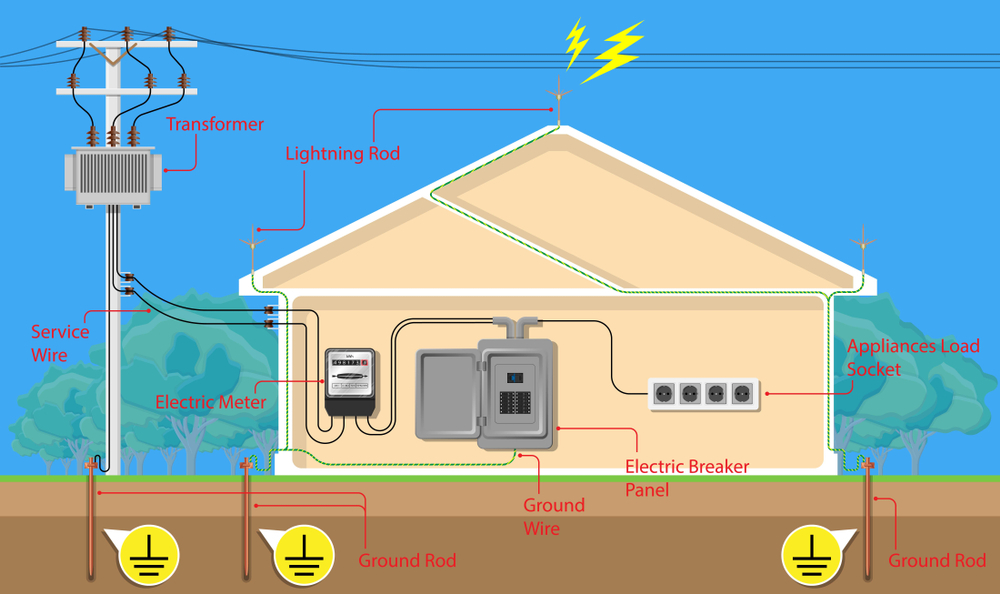
- Protection against Electric Shock: By providing a low-resistance path to the ground, earthing systems redirect fault currents away from humans, preventing potentially fatal electric shocks.
- Equipment Safety and Longevity: Proper earthing mitigates the risk of equipment damage due to transient voltage surges, lightning strikes, or electrical faults, thus prolonging the lifespan of electrical appliances and infrastructure.
- Fire Prevention: In the event of a fault, the effective dissipation of fault currents prevents overheating of conductors and insulation, significantly reducing the risk of electrical fires.
- Compliance with Regulatory Standards: Adherence to national and international standards regarding earthing systems is mandatory for ensuring the safety and reliability of electrical installations, thereby avoiding legal repercussions and liabilities.
Conclusion
FAQs
Why is proper maintenance of earthing system essential?
Proper maintenance ensures the ongoing effectiveness of earthing system, as degradation over time can compromise their performance. Regular inspections, testing, and remedial actions such as soil enhancement or electrode replacement are necessary to maintain low impedance paths and compliance with safety standards.
Can inadequate earthing lead to equipment damage?
Inadequate earthing can damage equipment due to transient voltage surges or fault currents. Equipment may experience insulation breakdown, component failure, or even catastrophic damage during a lightning strike or electrical fault without a reliable path to dissipate excess electrical energy.