Single-Phase Transformer: A Comprehensive Guide
Single-phase transformers are vital components in electrical systems, enabling the conversion of voltage levels to meet the diverse power supply and frequency requirements in residential and commercial areas. This comprehensive guide will explore the world of single-phase transformers, exploring their functions, applications, and key specifications.
A Single-Phase Transformer is essential for converting AC voltage in various power supply applications. Its construction includes laminations, conductor windings, and a magnetic core where flux lines follow a specific path. Based on Faraday’s Law, it operates by inducing EMF as flux changes with frequency. Used in lighting, motors, and DC isolation, it meets diverse needs across industrial areas. Impedance, inductance, and resistance influence performance, efficiency, and losses. Leakage flux and conversion processes also affect load handling. This company offers products, accessories, and parts tailored to meet customer requirements, providing detailed information and support through links, order, and cart sections.
What is a Single-Phase Transformer?

A single-phase transformer is a fundamental electrical device designed to transfer electrical energy between circuits through the principles of electromagnetic induction. They are composed of several parts, including windings, a magnetic core, and sometimes optional accessories for cooling or protection. The construction often uses laminated iron cores to reduce losses caused by eddy currents. It consists of two coils, the primary and secondary winding, wound around a common iron core.
Defining the Basics
A single-phase transformer is a type of electrical transformer that is designed to transfer electrical energy between two or more circuits through electromagnetic induction. Unlike three-phase transformers, which are commonly used in industrial settings, single-phase transformers are primarily used in residential and small-scale commercial applications.
How Does It Work?
A single-phase transformer consists of two coils wound around a common iron core. These coils are known as the primary winding and the secondary winding. When an alternating current (AC) flows through the primary winding, it generates a magnetic field around the iron core. This magnetic field induces a voltage in the secondary winding, allowing for the transfer of electrical energy from the primary to the secondary circuit.
Applications of Single-Phase Transformers
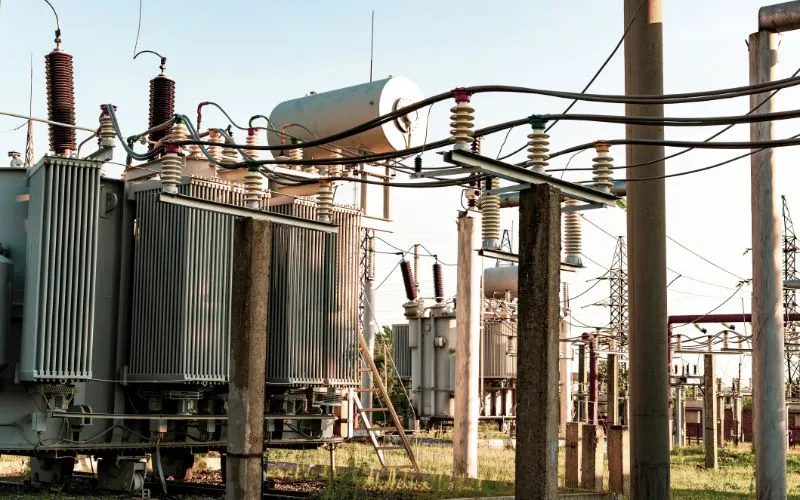
Used in outdoor lighting systems, HVAC units, and other small motors, these transformers adapt voltage for specific loads in both residential and small industrial settings.
Thanks to their versatility and efficiency, single-phase transformers are widely used in a diverse range of applications. Here are some common benefits:
Power Distribution
One of the most common applications of single-phase transformers is in power distribution systems. They are used to decrease high-voltage electricity generated at power plants to lower voltages suitable for residential and commercial use. This ensures the safe and efficient delivery of electricity to homes and businesses.
Voltage Regulation
Single-phase transformers are also employed for voltage regulation purposes. They can raise or lower the voltage levels to maintain a steady electricity supply to sensitive equipment and appliances. This is crucial in preventing damage to devices that require specific voltage levels to operate correctly.
Isolation
Electrical isolation is necessary to protect sensitive equipment from voltage spikes and other disturbances. Single-phase transformers create galvanic isolation between circuits, ensuring that issues in one circuit do not affect the other.
Key Specifications of Single-Phase Transformers
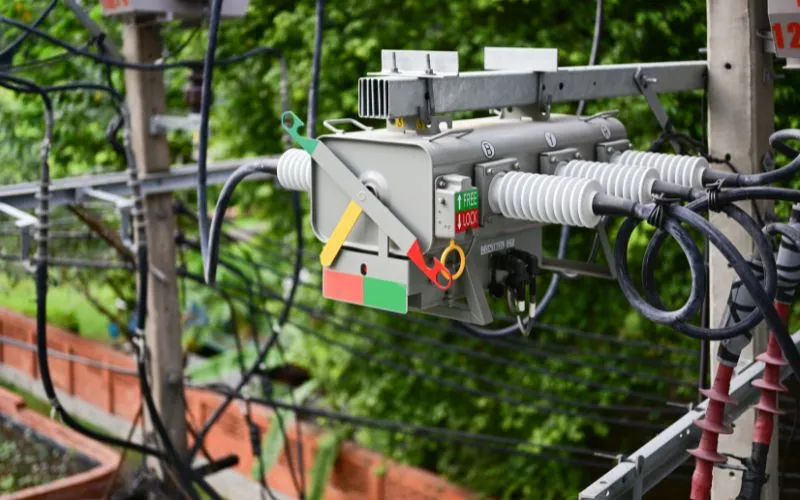
Important electrical properties, such as resistance, inductance, and impedance, help determine compatibility with the intended power supply loads. The number of core laminations and winding turns affects the transformer’s ability to handle leakage flux and minimize losses. Here are some key specifications to consider:
Voltage Rating
The voltage rating of a single-phase transformer refers to the maximum voltage it can handle. Choosing a transformer with a voltage rating that matches the voltage requirements of the primary and secondary circuits is crucial. Failure to do so can lead to equipment damage and safety hazards.
Power Rating
The power rating, often measured in kilovolt-amperes (kVA) or volt-amperes (VA), indicates the transformer’s capacity to handle electrical power. It is vital to select a transformer with an adequate power rating to ensure it can take the load of the connected devices without overheating or voltage drops.
Turns Ratio
The turns ratio of a single-phase transformer is the Ratio of the number of turns in the primary winding to the number of turns in the secondary winding. This Ratio determines how much the voltage is stepped up or down. Selecting a transformer with the correct turn ratio is crucial for achieving the desired voltage transformation.
Efficiency
Transformer efficiency measures how effectively it converts electrical energy from the primary circuit into usable energy in the secondary circuit. Higher-efficiency transformers are desirable as they reduce energy loss.
Maintenance and Safety Considerations

While single-phase transformers are essential for various applications, they also require proper maintenance and safety precautions to ensure long-term reliability and safe operation. Here are some important considerations:
Regular Inspections
Regular maintenance processes, such as inspecting transformer legs and thermal scanning, help detect corrosion, damage, and early signs of system stress. Visual inspections can reveal loose connections, corroded components, or oil leaks in oil-immersed transformers. Routine thermal inspections using infrared thermography can help detect hotspots that may indicate problems with the transformer’s windings or connections. Modern systems often come with built-in accessories to handle DC bias or noise filtration.
Oil Testing
Testing the dielectric oil is crucial for oil-immersed transformers to monitor their condition and the insulation of the transformer. Routine oil sampling and analysis can detect contaminants, moisture, and degradation, allowing for timely maintenance and oil replacement when necessary.
Load Monitoring
Monitoring the load on a single-phase transformer is important to prevent overloading, which can lead to overheating and reduced lifespan. Current transformers (CTs) and voltage transformers (VTs) can measure the load and provide data for load management and protection systems.
Safety Measures
Safety should always be prioritized when working with or around single-phase transformers. Here are some safety measures to follow:
- Ensure the transformer is de-energized and properly locked out and tagged before performing any maintenance or inspections.
- Use appropriate personal protective equipment (PPE), including insulated gloves and safety glasses, when working near energized equipment.
- Follow safety protocols for handling and disposing of transformer oil, which may contain hazardous materials.
- Maintain clear access to transformers and provide adequate ventilation if they are located indoors to prevent overheating.
Conclusion
In conclusion, single-phase transformers are vital components in electrical systems, facilitating voltage transformation, power distribution, and voltage regulation. Understanding their functions, applications, and key specifications is crucial for ensuring safe and efficient electrical operations.
Whether you’re selecting components for a residential project or sourcing high-efficiency products for commercial loads, understanding transformer sets, performance metrics, and construction methods ensures better decision-making.
FAQs
1. Can a Single-Phase Transformer Be Used in Three-Phase Systems?
No, single-phase transformers are designed for single-phase AC systems. They cannot be used directly in three-phase systems. To work in a three-phase system, multiple single-phase transformers may be connected in various configurations, such as delta-wye or wye-delta, to achieve the desired transformation.
2. What Are the Common Cooling Methods for Single-Phase Transformers?
Single-phase transformers generate heat during operation, and efficient cooling is essential to prevent overheating. The common cooling methods for single-phase transformers include natural convection, forced air, and oil-immersed cooling. The choice of cooling method depends on the transformer’s power rating and intended application.
3. How Do I Size a Single-Phase Transformer for My Application?
To size a single-phase transformer correctly, you need to determine the required power rating, voltage rating, and turns Ratio based on your specific application. Consider the load’s power demand, voltage requirements, and any necessary voltage regulation. It’s advisable to consult with a qualified electrical engineer or transformer specialist for precise sizing.
Supporting Article
Common Transformer Types Explained
Difference Between Single-Phase and Three-Phase Transformers