Conditions for Maximum Efficiency in DC Machines
This article will explore the conditions necessary for achieving maximum efficiency in DC machines. We will explore the fundamental principles and factors that affect the efficiency of these machines and discuss various techniques and strategies employed to attain peak efficiency. By understanding these key considerations, engineers and designers can make informed decisions and implement measures to optimize the performance of DC machines in their specific applications. It understands the significance of maximum efficiency in DC machines.
Key Takeaways
- Proper Selection of Materials: Use high-quality materials for the armature, field windings, and other components to minimize electrical and mechanical losses.
- Optimal Design: Design the machine with appropriate dimensions and configurations to ensure efficient operation and reduced energy losses.
- Regular Maintenance: Perform regular maintenance, including lubrication, cleaning, and inspection of parts, to prevent wear and tear that can decrease efficiency.
- Correct Load Matching: To ensure efficient operation, operate the DC machine at its optimal load. Overloading or underloading can lead to inefficiencies.
- Cooling Systems: Implement effective cooling systems to manage heat dissipation and maintain optimal operating temperatures, which can improve efficiency.
- Minimizing Losses: Focus on reducing core losses (hysteresis and eddy current losses), copper losses (I²R losses in windings), and mechanical losses (friction and windage).
- Efficient Commutation: Ensure proper commutation by maintaining the commutator and brushes in good condition, as poor commutation can cause sparking and energy loss.
- Field Control: Use appropriate methods to control the field current, such as adjusting the field rheostat, to maintain efficient operation under varying load conditions.
- Use of Advanced Technologies: Incorporate advanced technologies like brushless designs or improved insulation materials to enhance overall efficiency.
Factors Influencing Efficiency
The key factors that affect the efficiency of a DC machine, including copper losses and iron losses, are the following:
Copper Losses
Copper losses occur due to the resistance of the copper windings in the armature and field coils. These losses result in the dissipation of electrical energy in the form of heat. Minimizing copper losses can be achieved using low-resistance materials and ensuring proper winding design and construction.
Iron Losses
Iron losses, also known as core losses, are caused by the magnetization and demagnetization of the iron core in the machine. These losses consist of hysteresis and eddy current losses. Iron losses can be reduced by using high-quality laminated iron cores and optimizing the core design.
Mechanical Losses
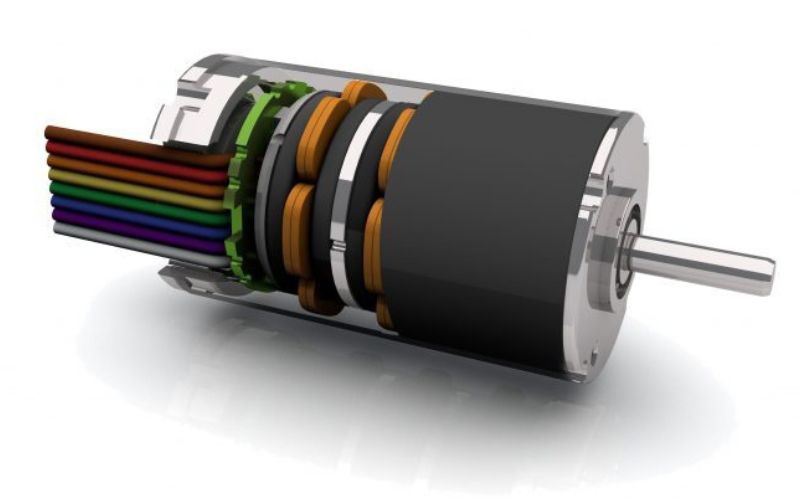
Mechanical losses in DC machines are associated with friction and windage losses. Friction losses occur due to the movement of mechanical parts such as bearings, brushes, and gears. In contrast, windage losses result from the resistance the rotating parts encounter in the surrounding air. Reducing mechanical losses involves using efficient bearings, minimizing brush friction, and employing aerodynamic designs.
Voltage and Current Levels
The voltage and current levels at which a DC machine operates directly impact its efficiency. Using the machine at its rated voltage and current values specified by the manufacturer can help ensure optimal efficiency. Deviating from these values may result in increased losses and reduced efficiency.
Temperature and Cooling
The temperature significantly influences the efficiency of DC machines. Excessive heat can increase resistance and lead to higher losses, negatively affecting efficiency. Implementing effective cooling mechanisms such as fans, heat sinks, or liquid cooling can help maintain optimal operating temperatures and improve efficiency.
Load and Speed
The load and speed at which a DC machine operates also affect its efficiency. Different limitations and rates require different electrical and mechanical power levels, impacting the machine’s overall efficiency. Proper load management, speed control mechanisms, and system design considerations can help optimize efficiency across a range of operating conditions.
Balancing Copper and Iron Losses
Finding the right balance between copper losses caused by resistance in the winding wires and iron losses resulting from hysteresis and eddy currents in the core material is important. Balancing copper and iron losses requires a comprehensive approach that considers the electrical, magnetic, and thermal aspects of the DC machine. Engineers can minimize and offset copper and iron losses by selecting appropriate materials, optimizing winding and core designs, and implementing efficient cooling mechanisms. This balance is essential for maximizing the efficiency and overall performance of DC machines, ensuring optimal energy conversion and reduced operating costs.
Optimal Operating Point
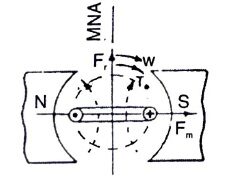
It highlights the significance of selecting the optimal maximum-efficiency operating point, considering parameters such as load torque, speed, and armature resistance.
The optimal operating point of a DC machine refers to the specific load, voltage, and current conditions at which it achieves maximum efficiency and performance. Operating a DC machine at its optimal point ensures optimal energy conversion, reduced losses, and enhanced overall system efficiency. This section will explore the key considerations for determining and achieving the optimal operating point in DC machines.
Efficiency-Load Relationship
The efficiency of a DC machine varies with the load it operates under. Generally, the efficiency increases as the load approaches the rated load, reaching a maximum at a specific point. Working the machine at this point minimizes electrical and mechanical losses, resulting in the highest efficiency.
Voltage and Current Levels
The voltage and current levels at which a DC machine operates significantly impact its efficiency. Deviating from the rated voltage and current values specified by the manufacturer can lead to increased losses and reduced efficiency. Working the machine within the recommended voltage and current ranges ensures optimal performance and efficiency.
Load Management
Efficient load management is essential for operating a DC machine at its optimal point. Matching the load to the machine’s capabilities and design specifications helps avoid excessive losses and ensures that the appliance operates within its efficient range. Proper load balancing and control techniques, such as using appropriate gearing or control algorithms, optimize the load distribution and enhance overall system efficiency.
System Design and Control
The design and control of the DC machine system should consider factors such as the intended application, operating conditions, and desired performance. Proper system design, including selecting components, sizing of conductors, and implementing control algorithms, ensures that the machine operates at its optimal point under different operating scenarios.
Thermal Management
Effective thermal management is crucial for maintaining the optimal operating point. Adequate cooling mechanisms, such as fans, heat sinks, or liquid cooling, help dissipate the heat generated during operation, preventing excessive temperature rise and ensuring optimal machine performance and efficiency.
Benefits of Maximum Efficiency
Discuss the advantages of operating a DC machine at maximum efficiency, including reduced energy wastage, lower operating costs, extended lifespan, and minimized risk of overheating or damage.
Maximizing the efficiency of DC machines offers several significant benefits, ranging from improved performance and cost savings to environmental sustainability. Various advantages can be achieved by operating DC machines at their maximum efficiency. This section will explore two key benefits of attaining maximum efficiency in DC machines.

Enhanced Energy Conversion and Performance
Operating a DC machine efficiently ensures optimal energy conversion from electrical to mechanical power. This means that a higher percentage of the input electrical energy is effectively utilized to produce useful work, such as driving a load or operating a system.
Cost Savings and Economic Benefits
Maximum efficiency in DC machines can result in substantial cost savings and economic benefits for users and operators. These benefits include:
Reduced Operating Costs
Operating a DC machine at maximum efficiency means lower energy consumption, reducing operating costs over the machine’s lifespan. This is particularly important in applications with high energy demands, such as industrial processes and large-scale infrastructure.
Improved Return on Investment (ROI)
DC machines maximize efficiency and provide a higher return on investment. The lower energy consumption and reduced operating costs translate into a shorter payback period, allowing users to recoup their initial investment more quickly.
Environmental Sustainability
Achieving maximum efficiency in DC machines aligns with environmental sustainability and resource conservation goals. Lower energy consumption reduces greenhouse gas emissions, creating a cleaner environment and helping combat climate change. It also supports regulatory compliance and sustainability initiatives.
Competitive Advantage
Companies that utilize DC machines operating at maximum efficiency gain a competitive edge in the marketplace. Energy-efficient technologies are increasingly sought after by customers, regulators, and investors, enhancing the company’s reputation and market positioning.
Analyzing and Optimizing Operating Conditions
Emphasizing the importance of careful analysis and optimization of the operating conditions to ensure the DC machine operates at its highest efficiency level.
It summarized the significance of achieving maximum efficiency in DC machines and its benefits in terms of performance, energy conservation, and cost savings.

Now;
Efficiency η = output / Input
EMF Equation of a Generator
Conclusion
In conclusion, achieving maximum efficiency in DC machines is a multifaceted endeavor that requires a thorough understanding of various factors influencing performance. Key strategies to enhance efficiency include optimizing the design parameters, such as the magnetic circuit and winding configurations, and minimizing losses due to resistance and core materials. The proper selection of materials and manufacturing techniques can significantly reduce energy dissipation. Additionally, maintaining ideal operating conditions, such as appropriate load levels and cooling mechanisms, is essential to sustain optimal performance over time.
Implementing advanced control techniques and regular maintenance routines ensures that DC machines operate efficiently. Integrating modern technologies, such as power electronics and automation systems, also contributes to better control and reduced operational losses. By addressing these critical aspects, industries can maximize the efficiency of DC machines, leading to reduced energy consumption, lower operational costs, and enhanced overall productivity.
In essence, the pursuit of maximum efficiency in DC machines not only involves technical advancements but also a holistic approach to machine design, operation, and maintenance. This comprehensive strategy will ultimately contribute to the sustainable and economical use of DC machines in various industrial applications.
FAQs
What factors affect the efficiency of DC machines?
Several factors can influence the efficiency of DC machines, including:
- Electrical Losses include copper losses in the windings due to resistance, which increase with current.
- Magnetic Losses: Hysteresis and eddy current losses in the iron core depend on the magnetic properties and frequency of operation.
- Mechanical Losses: Friction and windage losses in bearings and other moving parts.
- Brush and Commutator Losses: Losses due to contact resistance and friction between the brushes and commutator.
- Load Conditions: The efficiency varies with the load, generally being higher at or near the machine’s rated load.
How can I improve the efficiency of a DC machine?
Improving the efficiency of a DC machine can be achieved through the following methods:
- Optimizing Load Conditions: Operate the machine close to its rated load where it is most efficient.
- Reducing Electrical Losses: Use high-quality conductive materials for windings to minimize resistance and associated losses.
- Minimizing Magnetic Losses: Use high-grade magnetic materials with low hysteresis and eddy current losses.
- Improving Mechanical Design: Ensure that bearings and other moving parts are well-lubricated and designed to minimize friction.
- Maintaining Brushes and Commutator: Regularly maintain brushes and commutator to ensure good contact and reduce friction losses.
- Cooling Systems: Implement efficient cooling systems to prevent overheating and reduce thermal losses.
What is the importance of regular maintenance in achieving maximum efficiency?
Regular maintenance is crucial for maintaining the efficiency of DC machines:
- Preventing Wear and Tear: Regular inspection and maintenance can prevent excessive wear on components like brushes, commutators, and bearings.
- Ensuring Optimal Performance: Cleaning and adjusting parts ensures the machine operates optimally.
- Reducing Downtime: Preventative maintenance reduces the likelihood of unexpected failures and downtime, maintaining consistent efficiency.
- Extending Lifespan: Proper maintenance can extend the machine’s lifespan, ensuring long-term efficiency and reliability.
How does the choice of materials impact the efficiency of DC machines?
The choice of materials significantly impacts the efficiency of DC machines:
- Conductive Materials: High-conductivity materials like copper for windings reduce electrical losses.
- Magnetic Materials: High-quality magnetic materials with low hysteresis and eddy current losses improve magnetic efficiency.
- Insulating Materials: Effective insulation prevents leakage currents and reduces electrical losses.
- Durable Components: Using durable and wear-resistant materials for brushes and bearings reduces mechanical losses and maintenance frequency.
What role does cooling play in the efficiency of DC machines?
Cooling plays a vital role in maintaining the efficiency of DC machines:
- Preventing Overheating: Effective cooling systems prevent the machine from overheating, which can cause thermal losses and damage components.
- Maintaining Performance: Cooling systems help maintain consistent performance and efficiency by keeping the machine within optimal temperature ranges.
- Extending Component Life: Reducing the operating temperature extends the life of critical components, thereby maintaining overall efficiency.
Can the efficiency of a DC machine be measured and monitored?
Yes, the efficiency of a DC machine can be measured and monitored using the following methods:
- Input and Output Measurements: Measure the electrical and mechanical output power to calculate efficiency.
- Power Analyzers: Using power analyzers to measure voltage, current, and power factor accurately.
- Temperature Sensors: Monitoring the temperature of critical components to prevent overheating and identify efficiency losses.
- Vibration Analysis: Regularly checking for unusual vibrations that may indicate mechanical issues affecting efficiency.
What are some advanced techniques to enhance the efficiency of DC machines?
Advanced techniques to enhance the efficiency of DC machines include:
- Variable Frequency Drives (VFDs): Using VFDs to optimize the speed and load conditions of the machine.
- Power Factor Correction: Implementing power factor correction techniques to reduce reactive power losses.
- Advanced Control Systems: Using sophisticated control algorithms to optimize performance and reduce losses.
- Energy Recovery Systems: Implementing systems that recover and reuse waste energy, such as regenerative braking in electric vehicles.
By understanding and applying these tips and techniques, you can significantly improve the efficiency of DC machines, ensuring optimal performance and longevity. Regular maintenance, proper material selection, and advanced control methods are key to achieving maximum efficiency.
What factors affect the efficiency of DC machines?
Several factors can influence the efficiency of DC machines, including:
- Electrical Losses include copper losses in the windings due to resistance, which increase with current.
- Magnetic Losses: Hysteresis and eddy current losses in the iron coredepend on the magnetic properties and frequency of operation.
- Mechanical Losses: Friction and windage losses in bearings and other moving parts.
- Brush and Commutator Losses: Losses due to contact resistance and friction between the brushes and commutator.
- Load Conditions: The efficiency varies with the load, generally higher at or near the machine’s rated load.
How can I improve the efficiency of a DC machine?
Improving the efficiency of a DC machine can be achieved through the following methods:
- Optimizing Load Conditions: Operate the machine close to its rated load where it is most efficient.
- Reducing Electrical Losses: Use high-quality conductive materials for windings to minimize resistance and associated losses.
- Minimizing Magnetic Losses: Use high-grade magnetic materials with low hysteresis and eddy current losses.
- Improving Mechanical Design: Ensure that bearings and other moving parts are well-lubricated and designed to minimize friction.
- Maintaining Brushes and Commutator: Regularly maintain brushes and commutator to ensure good contact and reduce friction losses.
- Cooling Systems: Implement efficient cooling systems to prevent overheating and reduce thermal losses.
What is the importance of regular maintenance in achieving maximum efficiency?
Regular maintenance is crucial for maintaining the efficiency of DC machines:
- Preventing Wear and Tear: Regular inspection and maintenance can prevent excessive wear on components like brushes, commutators, and bearings.
- Ensuring Optimal Performance: Cleaning and adjusting parts ensures that the machine operates optimally.
- Reducing Downtime: Preventative maintenance reduces the likelihood of unexpected failures and downtime, maintaining consistent efficiency.
- Extending Lifespan: Proper maintenance can extend the machine’s lifespan, ensuring long-term efficiency and reliability.
How does the choice of materials impact the efficiency of DC machines?
The choice of materials significantly impacts the efficiency of DC machines:
- Conductive Materials: High-conductivity materials like copper for windings reduce electrical losses.
- Magnetic Materials: High-quality magnetic materials with low hysteresis and eddy current losses improve magnetic efficiency.
- Insulating Materials: Effective insulation prevents leakage currents and reduces electrical losses.
- Durable Components: Using durable and wear-resistant materials for brushes and bearings reduces mechanical losses and maintenance frequency.
What role does cooling play in the efficiency of DC machines?
Cooling plays a vital role in maintaining the efficiency of DC machines:
- Preventing Overheating: Effective cooling systems prevent the machine from overheating, which can cause thermal losses and damage components.
- Maintaining Performance: Cooling systems help maintain consistent performance and efficiency by keeping the machine within optimal temperature ranges.
- Extending Component Life: Reducing the operating temperature extends the life of critical components, thereby maintaining overall efficiency.
Can the efficiency of a DC machine be measured and monitored?
Yes, the efficiency of a DC machine can be measured and monitored using the following methods:
- Input and Output Measurements: Measure the electrical and mechanical output power to calculate efficiency.
- Power Analyzers: Using power analyzers to measure voltage, current, and power factor accurately.
- Temperature Sensors: Monitoring the temperature of critical components to prevent overheating and identify efficiency losses.
- Vibration Analysis: Regularly checking for unusual vibrations that may indicate mechanical issues affecting efficiency.
What are some advanced techniques to enhance the efficiency of DC machines?
Advanced techniques to enhance the efficiency of DC machines include:
- Variable Frequency Drives (VFDs): Using VFDs to optimize the speed and load conditions of the machine.
- Power Factor Correction: Implementing power factor correction techniques to reduce reactive power losses.
- Advanced Control Systems: Using sophisticated control algorithms to optimize performance and reduce losses.
- Energy Recovery Systems: Implementing systems that recover and reuse waste energy, such as regenerative braking in electric vehicles.
By understanding and applying these tips and techniques, you can significantly improve the efficiency of DC machines, ensuring optimal performance and longevity. Regular maintenance, proper material selection, and advanced control methods are key to achieving maximum efficiency.