

Exploring the Diverse Types of Alternators and Their Roles
Alternators play a vital role when powering your vehicle’s electrical systems. These devices are essential for converting mechanical energy into electrical energy, ensuring your car’s lights, radio, and other components function seamlessly. In this comprehensive guide, we’ll delve into the world of alternators, exploring their construction, working principles, and the different types of alternators available. Whether you’re a car enthusiast or simply curious about the inner workings of your vehicle, this article will provide valuable insights.
What is an Alternator?
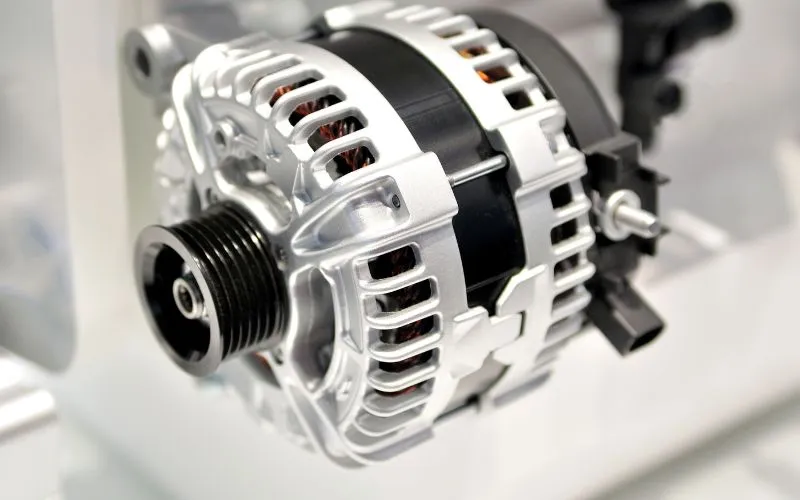
An alternator is an electromechanical device that generates electrical energy by converting mechanical energy. It plays a crucial role in powering various electrical components in a vehicle, including the battery, lights, and accessories. Unlike a battery that stores electrical energy, an alternator continuously generates electricity as long as the engine runs.
Where is an Alternator Used?
Alternators are widely used in various applications, including:
- Automobiles: Alternators are a staple in the automotive industry, providing electrical power to charge the battery and run the car’s electrical systems.
- Diesel-Electric Locomotives: Diesel-electric locomotives use alternators to generate electricity for propulsion and onboard systems.
- Marine Vehicles: Boats and ships rely on marine alternators to produce electrical power for navigation, lighting, and other equipment.
- Generators: Alternators are also used in standalone generator sets to produce electricity during power outages.
Working of Alternator
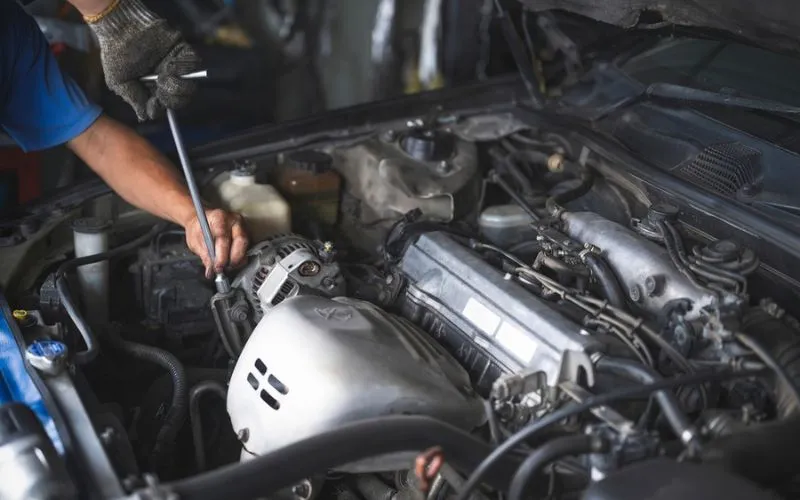
An alternator’s working involves converting mechanical energy into electrical energy through a process known as electromagnetic induction. When an engine runs, it drives a rotor within the alternator, which rotates inside a stationary stator. As the rotor spins within the magnetic field created by the stator, electromagnetic induction occurs, generating alternating current (AC) electricity. This AC electricity is then converted into direct current (DC) by diodes within the alternator. The resulting DC output is used to charge the vehicle’s battery and power the electrical systems, ensuring the proper functioning of the vehicle’s components. This continuous generation of electrical energy is essential for maintaining a vehicle’s power supply while in operation.
Types of Alternators
There are five types of alternators. These five types of alternators cater to a wide range of applications, each with unique features and design considerations. Whether charging your car’s battery, powering a locomotive, navigating a ship, ensuring low maintenance, or broadcasting radio waves, alternators are versatile devices that significantly impact our daily lives and various industries.
- Automotive Alternators
- Diesel-Electric Locomotive Alternators
- Marine Alternators
- Brushless Alternators
- Radio Alternators
Now, let’s explore the types of alternators designed for specific applications.
Automotive Alternators
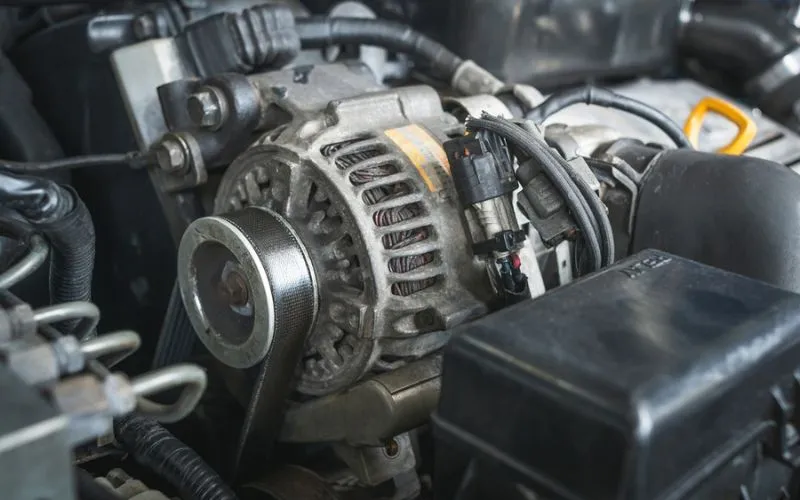
- Application: Found in cars, trucks, and other road vehicles.
- Key Features:
- Battery Charging: Automotive alternators are primarily designed to charge the vehicle’s battery. They ensure the battery remains charged, providing power for starting the engine and running electrical components.
- Efficiency: These alternators are highly efficient, as they need to provide a continuous and reliable power supply to meet the demands of modern vehicles.
- Durability: Automotive alternators are built to withstand the harsh conditions of the engine compartment and the constant vibrations associated with driving.
- Working Principle: Automotive alternators operate on the same basic principle as other alternators, converting mechanical energy from the engine into electrical energy to charge the battery and power the vehicle’s electrical systems.
Diesel-Electric Locomotive Alternators
- Application: Used in diesel-electric locomotives for propulsion and auxiliary systems.
- Key Features:
- High Power Output: Diesel-electric locomotive alternators can generate significant electrical power to move heavy trains, making them essential for rail transport.
- Robust Construction: These alternators are built to withstand the rugged conditions of railroad operations, including heavy loads and vibrations.
- Reliability: Reliability is paramount in locomotive alternators to ensure the safety and efficiency of rail transport.
- Working Principle: Like other alternators, diesel-electric locomotive alternators convert mechanical energy from the locomotive’s diesel engine into electrical power, which is used for propulsion and onboard systems.
Marine Alternators
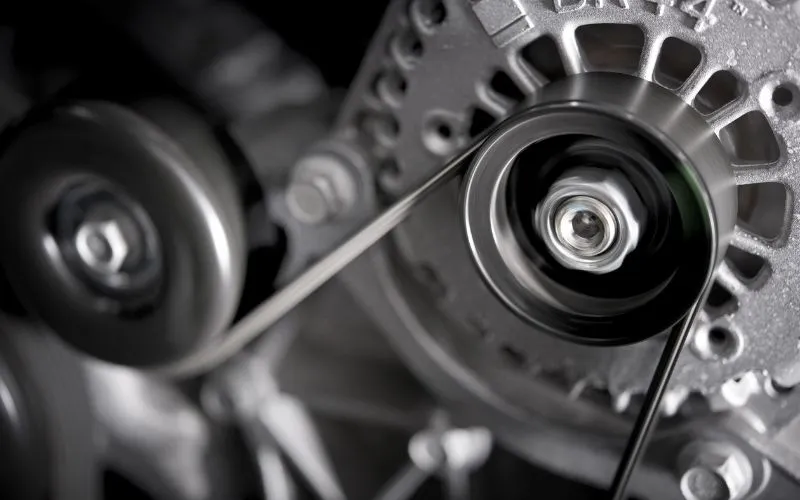
- Application: Found on boats and ships to provide electrical power for navigation and onboard systems.
- Key Features:
- Water Resistance: Marine alternators are designed to be water-resistant and corrosion-resistant to withstand the challenging marine environment.
- High Reliability: Reliability is crucial for marine applications, as electrical systems are vital for navigation and safety at sea.
- Output Flexibility: These alternators may have adjustable voltage outputs to accommodate different electrical systems.
- Working Principle: Marine alternators operate on the same basic principles as other alternators but are adapted to function reliably in marine conditions, where exposure to saltwater and moisture is common.
Brushless Alternators
- Application: Widely used in various applications where low maintenance is crucial.
- Key Features:
- Maintenance-Free: As the name suggests, brushless alternators eliminate the need for brushes, which can wear out over time. This reduces maintenance requirements and increases longevity.
- Efficiency: Brushless alternators are known for their efficiency and ability to provide a stable electrical output.
- Electronic Regulation: These alternators often feature advanced electronic systems for regulating voltage and current output.
- Working Principle: Brushless alternators operate using electromagnetic induction, much like traditional alternators. However, they use advanced electronic circuits to control the output and eliminate the need for brushes.
Radio Alternators
- Application: Specialized alternators used in radio broadcasting for generating high-frequency radio waves.
- Key Features:
- High-Frequency Output: Radio alternators are designed to produce high-frequency alternating current (AC) for broadcasting purposes.
- Precise Frequency Control: Precision is critical in radio broadcasting, and these alternators are engineered to provide a stable and accurate frequency output.
- Specialized Design: Radio alternators may have unique designs and configurations tailored to the specific requirements of radio transmitters.
- Working Principle: Radio alternators use the same basic principles of electromagnetic induction as other alternators but are optimized for producing high-frequency AC for broadcasting.
Conclusion
FAQs
What is the primary function of an alternator?
The primary function of an alternator is to convert mechanical energy from the engine into electrical energy. It provides power to charge the vehicle’s battery and operate electrical components, ensuring proper functioning.
How does a brushless alternator differ from other types?
Brushless alternators differ from traditional alternators in that they eliminate the need for brushes, which can wear out over time. Instead, brushless alternators use advanced electronics to regulate the electrical output, making them more reliable and requiring less maintenance.
Can I replace an alternator myself, or should I seek professional help?
Replacing an alternator can be a complex task that requires knowledge of the vehicle’s electrical system and proper tools. While some experienced individuals can do it themselves, seeking professional help is often recommended to ensure the job is done correctly and safely.
