Maintenance Tips for DC Series Motors: Best Practices Explained
When it comes to maintaining your DC series motors, a systematic approach is key. You’ll need to regularly check the brush length and surface condition and monitor commutator wear. Adhering to standards like IEEE 43 for insulation resistance can help guarantee you’re on track. Consistent ambient temperatures during tests are essential for accurate results. Implementing a maintenance schedule with monthly performance checks and quarterly assessments can help you catch potential issues early. Are you curious about how to fine-tune these practices for peak motor performance? Let’s explore further.
Key Takeaways
- Regularly measure the insulation resistance of field and armature circuits to ensure optimal performance.
- Inspect and replace brushes frequently to maintain good conductivity and prevent arcing.
- Clean commutators and brushes with compressed air to avoid car buildup.
- Maintain a consistent monthly and quarterly inspection schedule for early detection of potential issues.
- Keep detailed maintenance records to track trends and address problems proactively.
Importance of Preventative Maintenance
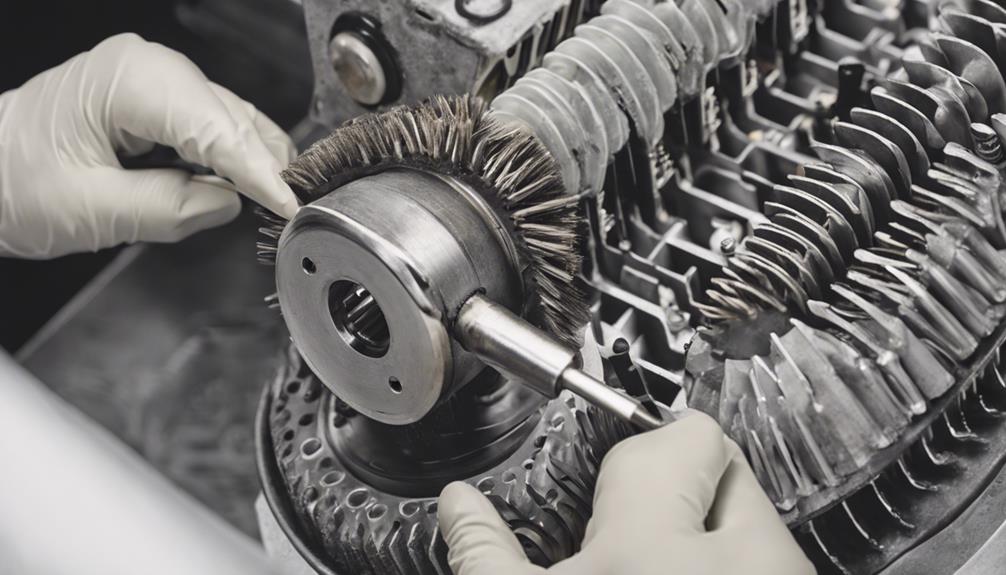
It can’t be stressed enough how important preventative maintenance is for DC series motors. A thorough maintenance program can significantly reduce in-service failures and guarantee your motor’s peak performance.
One critical aspect of this program involves regular inspection of the brush and commutator. These components are essential for the motor’s efficient operation, and overlooking them can lead to unexpected downtime and costly repairs.
Regular maintenance tasks, such as measuring insulation resistance and checking brush wear, are pivotal. Insulation resistance (IR) levels must meet standards like IEEE 43 to maintain motor efficiency. By routinely checking these levels, you can catch potential issues early and address them before they escalate.
Safety should always be your top priority. Take necessary precautions, such as isolating equipment, before performing maintenance checks on your DC series motor.
A consistent maintenance schedule prevents unexpected issues and extends your motor’s lifespan. By staying proactive and diligent in your maintenance efforts, you can avoid expensive repairs and ensure your DC series motor remains reliable and efficient for years.
Key Maintenance Tasks
To keep your DC series motor in top shape, regularly measure the insulation resistance of the field circuit, ensuring it’s at least 20MOhms at 500V.
Remember to inspect the brush length and surface condition and monitor the commutator surface for wear and smoothness.
Use suitable meters to measure field and armature circuit resistance, and maintain a record-keeping system to track your maintenance history.
Insulation Resistance Measurement
Insulation resistance measurement is a fundamental task you shouldn’t skip when commencing your DC series motor maintenance routine. Start by checking the insulation resistance in the field windings. You need a minimum of 20MOhms at 500V to guarantee they’re functioning correctly. This step is essential for spotting potential issues early and preserving motor efficiency.
Next, focus on the armature circuit. A minimum insulation resistance of 5MOhms at 500V is necessary for peak performance. Using suitable meters ensures accurate readings for both the field and armature circuits. These meters help identify any degradation in insulation that might lead to motor failures.
Conduct these insulation resistance tests at ambient temperature. Testing in consistent conditions ensures reliable results and avoids misleading readings that could result from temperature variations.
It is crucial to follow standards like IEEE 43 for insulation resistance levels. These standards provide guidelines for maintaining the motor’s reliability and longevity.
Brush and Commutator Care
Caring for the brushes and commutator in your DC series motor is important for maintaining peak performance and extending the motor’s lifespan. Regularly inspect and replace brushes to promote proper conductivity and avoid premature wear. You’ll want to keep a close eye on the brush condition and replace them if they show signs of excessive wear or damage. Maintaining constant pressure between the brushes and commutators is essential for ideal current density.
Use compressed air to clean the brushes and prevent car buildup, which can lead to low megohmmeter readings and reduced efficiency. Properly adjusting the brush racks is vital to avoid arcing under load and keep the brushes in neutral positions. This helps minimize potential damage and ensures smoother operation.
For the commutator, maintain the commutator bars by machining them true and insulating the segments with molding mica. This step promotes smoother contact and less friction between the brushes and the commutator, enhancing overall motor efficiency and longevity. These key maintenance tasks will keep your DC series motor running smoothly and efficiently for years.
Brush and Commutator Care
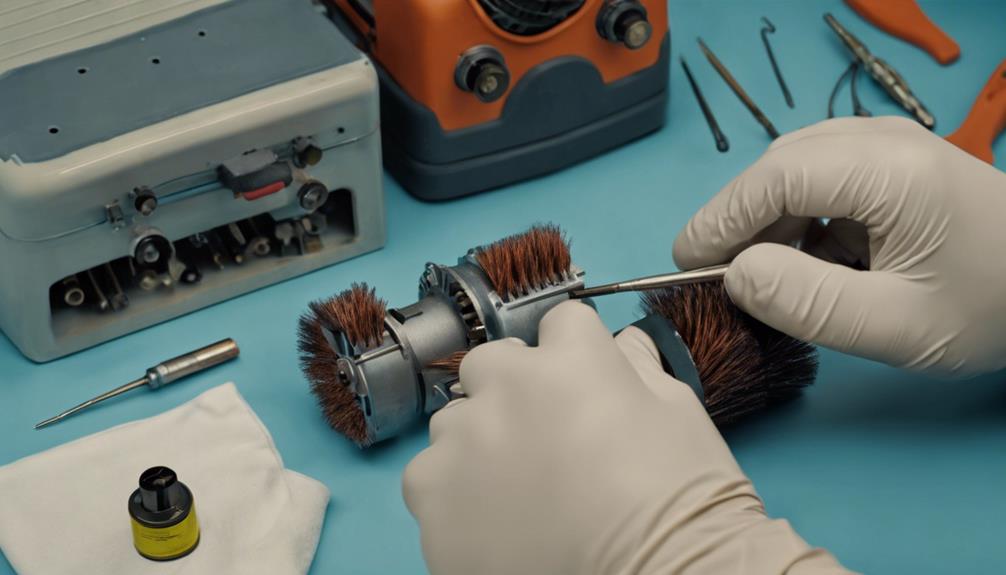
Proper brush and commutator care is crucial for the longevity and efficiency of your DC series motor. Regularly inspect the brush length to verify they’re not overly worn. If the brushes are too short, they can’t maintain peak conductivity, which can damage the commutator.
The commutator must always be kept in top-notch condition, so check it for smoothness and polish it as needed using a fiberglass brush and motor cleaner.
You should remove any debris and align the brushes correctly. Misalignment can lead to inefficient operation and increased wear. If you notice significant wear, replace the brushes immediately to avoid harming the commutator. Compressed air is also used to clean the brushes, which helps prevent car buildup and keeps low megohmmeter readings at bay.
Effective brush and commutator maintenance can greatly enhance your motor’s performance. Keeping these components clean and in good repair, the engine runs smoothly and efficiently. Please don’t overlook this crucial aspect of maintenance, as it plays a critical role in the overall health of your DC series motor. Remember, a little care goes a long way in extending your motor’s life and performance.
Frequency of Maintenance
Establish a regular inspection schedule with monthly performance checks and quarterly detailed assessments to keep your DC series motor running smoothly.
Keeping detailed records of these checks allows you to spot trends and address issues early. Sticking to this routine will help prevent unexpected failures and ensure peak motor performance.
Regular Inspection Schedule
Although it might seem tedious, sticking to a regular inspection schedule for your DC series motors is crucial. A consistent maintenance schedule guarantees you catch potential issues early and can prevent unexpected failures. Typically, you should check your DC motor monthly or, at the very least, every three months.
Maintaining detailed records for each motor helps you track performance and spot recurring problems. This data is invaluable for planning and budgeting for any necessary repairs or services, ultimately helping extend the lifespan of your motors. It is essential to address any issues you discover during these inspections promptly.
Here’s a sample maintenance schedule to get you started:
| Frequency | Task | Notes |
|---|---|---|
| Monthly | Visual Inspection | Look for wear, dirt, and damage |
| Every 3 Months | Lubrication Check | Ensure bearings are lubricated |
| Every 6 Months | Electrical Connections | Tighten loose connections |
| Annually | Thorough Performance Review | Full system test and analysis |
Monthly Performance Checks
Some might overlook the importance of monthly performance checks for DC series motors, but these checks are essential for catching issues early. By conducting these monthly performance checks, you can guarantee your DC motors run smoothly and efficiently. Regular maintenance is key to preventing unexpected failures that could disrupt your operations and lead to costly downtime.
During these monthly checks, focus on monitoring the motor’s performance metrics, such as voltage, current, and temperature. Keeping detailed records of these checks allows you to track the motor’s health over time and identify trends that might indicate potential problems. If you notice any abnormalities, address them promptly to avoid more serious issues.
It’s also vital to inspect the motor’s physical condition. Look for signs of wear and tear and loose connections, and ensure all components are clean and properly lubricated. If you detect anything unusual, don’t hesitate to seek professional assistance.
Catching and addressing issues early during your monthly performance checks can save you significant time and money by preventing major repairs and guaranteeing your DC motors operate at their best.
Quarterly Detailed Assessments
While monthly performance checks are vital for maintaining the smooth operation of your DC series motors, quarterly detailed assessments elevate your maintenance efforts to the next level. Every three months, a thorough inspection and testing of your DC drives should be conducted to identify potential issues early and prevent unexpected failures.
During these assessments, pay close attention to the brush springs. They are essential in maintaining consistent contact between the brushes and the commutator. Inspecting and adjusting the brush springs guarantees that wear is even and that no excessive sparking occurs, which can lead to motor damage.
Regular quarterly maintenance checks help ensure all motor components are in peak condition. This includes checking for signs of wear, corrosion, or other damage that could impact performance. Monitoring the motor’s condition quarterly allows you to make timely adjustments and replacements as needed, preventing minor issues from escalating into major problems.
Ultimately, detailed assessments every quarter contribute to the longevity and efficiency of your DC series motors. Committing to this regular maintenance schedule will keep your motors running smoothly and extend their operational lifespan, ensuring reliable performance for all your applications.
Identifying Potential Issues

When you operate a DC series motor, watch for abnormal sounds and vibrations, as they can signal potential issues. Vibrations often indicate foreign objects caught in the motor, which need immediate attention to avoid further damage. Differentiating between mechanical and electrical problems based on these vibrations is essential for effective maintenance. Mechanical issues might manifest as grinding or clicking sounds, while electrical problems could produce buzzing or humming noises.
| Symptom | Possible Cause | Action Required |
|---|---|---|
| Grinding Sound | Worn Bearings | Replace bearings |
| Clicking Noise | Loose Components | Tighten or secure components |
| Buzzing | Electrical Fault | Inspect wiring and insulation |
| Humming | Magnetization Issues | Check and adjust settings |
| Excessive Vibration | Foreign Object | Remove debris and inspect |
Addressing these identified issues promptly can prevent motor failure and extend its lifespan. Conducting regular maintenance checks for unusual noises and vibrations helps keep your motor running at its best. Always strive to keep a keen ear and eye on your equipment, as early detection is vital to mitigating larger problems down the road. By actively maintaining your motor, you safeguard its performance and reliability.
Professional Support and Resources
Professional support and resources are necessary for the best maintenance of your DC series motors. Relying on experts like Fletcher Moorland Ltd, who offer 24/7 support for DC motor repair and service needs, can make a significant difference. You’ll have access to professional guidance whenever issues arise, ensuring your motors are always running efficiently.
Don’t hesitate to contact them using the detailed contact information they provide. Having a reliable point of contact for emergencies or routine maintenance tasks is important.
Additionally, explore their online resources, which offer a wealth of information on motor repair and maintenance. These resources can provide valuable insights and tips crucial for keeping your motors in top condition.
Another step you should take is to incorporate a record-keeping system for each DC motor’s maintenance history. This allows you to track performance and identify patterns or recurring issues that might need professional attention.
Properly maintained records, coupled with timely professional guidance, can extend the lifespan of your motors and enhance their performance. By leveraging these resources, you’ll guarantee your DC motors remain reliable and efficient.
Conclusion
By sticking to a regular maintenance schedule for your DC series motors, you’ll guarantee they run efficiently and last longer. Regularly check brush length, surface condition, and commutator wear; don’t forget to measure insulation resistance. Following standards like IEEE 43 and conducting tests at consistent ambient temperatures will help spot potential issues early. These proactive steps will keep your motors in shape and avoid costly downtime.
FAQs
What are the key maintenance tasks for DC series motors?
Regular maintenance is crucial to keep your DC series motor functioning efficiently. The key tasks include:
- Brush Inspection and Replacement: DC motors use carbon brushes that wear down over time. Regularly inspect and replace worn brushes to prevent arcing and ensure smooth operation.
- Commutator Cleaning: The commutator should be kept clean to avoid sparking and uneven wear. Use a commutator stone or sandpaper to clean the surface.
- Lubrication: Proper lubrication of the motor’s bearings is essential to minimize friction and prevent overheating. Follow the manufacturer’s recommendations for the type and frequency of lubrication.
- Check for Loose Connections: Regularly inspect the motor’s electrical connections to ensure they are tight and secure, preventing issues like voltage drops or overheating.
- Inspect Insulation: Check the insulation resistance of the motor windings to avoid short circuits and ensure the insulation is in good condition.
Key Maintenance Tasks:
- Inspect and replace brushes.
- Clean the commutator regularly.
- Lubricate bearings as needed.
- Check electrical connections.
- Inspect insulation regularly.
How often should you replace brushes in a DC series motor?
The carbon brushes in a DC series motor should be inspected every 1,000 to 2,000 hours or according to the manufacturer’s guidelines. If the brushes appear worn or damaged, they should be replaced immediately to prevent damage to the commutator and ensure efficient operation.
Key Point:
- Inspect brushes every 1,000-2,000 hours and replace them when worn.
How do you clean the commutator in a DC series motor?
Cleaning the commutator is a crucial part of motor maintenance. Follow these steps to clean it:
- Power Off the Motor: Ensure the motor is powered off and safely disconnected from the power supply before cleaning.
- Inspect the Commutator: Check for signs of wear, discoloration, or uneven surfaces.
- Use a Commutator Stone or Sandpaper: Lightly rub the commutator surface with a commutator stone or fine sandpaper (600-800 grit) to remove dirt, debris, or minor imperfections.
- Wipe with a Clean Cloth: After cleaning, wipe the commutator with a dry, lint-free cloth to remove any residue.
- Avoid Excessive Wear: Avoid removing too much material, as this could reduce the commutator’s weight.
Steps for Cleaning:
- Power off the motor and inspect the commutator.
- Clean with a commutator stone or fine sandpaper.
- Wipe the surface with a clean, dry cloth.
Why is lubrication important for DC series motors?
Proper lubrication reduces friction in the motor’s bearings, preventing overheating and excessive wear. Lack of lubrication can cause bearings to seize or wear out prematurely, leading to motor failure. Use the recommended lubricant, and avoid over-lubricating, as excess oil or grease can attract dust and debris.
Benefits of Lubrication:
- Reduces friction and overheating.
- Prolongs the life of motor bearings.
- Prevents excessive wear and mechanical failure.
How do you prevent overheating in a DC series motor?
To prevent overheating in a DC series motor, follow these steps:
- Ensure Proper Ventilation: Ensure the motor has adequate airflow and is not obstructed by dust or debris.
- Regular Lubrication: Proper lubrication reduces friction in the motor’s bearings, preventing excessive hbuildupldup.
- Inspect Electrical Connections: Loose or corroded connections can cause increased resistance and overheating.
- Monitor Load: Avoid overloading the motor, as excessive load can lead to overheating and damage.
Prevention Tips:
- Maintain proper airflow and ventilation.
- Lubricate the motor bearings regularly.
- Inspect and tighten electrical connections.
- Avoid overloading the motor.