Emerging Technology Trends 2024: Exploring Future of Innovation
Are we ready to take a peek into the letters of the future? Strap yourselves in for an exhilarating journey as 2024 unfolds with a blitz of technology trends set to redefine innovation’s boundaries. From AI reinventions to 5G speed beyond belief, IoT enhancements to quantum computing leaps, brace yourselves – we’re venturing onto tomorrow’s terrain today. Stay hooked as we navigate through the emerging tech trends of 2024 and explore the thrilling new face of innovation sculpting our world right now!
Some of the top emerging technology trends include computing power, smarter devices, datafication, artificial intelligence, machine learning, extended reality, digital trust, 3D printing, genomics, new energy solutions, robotic process automation (RPA), edge computing, quantum computing, virtual reality and augmented reality, blockchain, Internet of things (IoT), 5G, and cybersecurity. Our website provides detailed articles on these topics to help readers stay up-to-date with technological advancements.
Unveiling Artificial Intelligence (AI)

Artificial Intelligence (AI) has emerged as a revolutionary technology transforming various industries and reshaping the future of innovation. AI refers to developing computer systems capable of performing tasks that typically require human intelligence, such as problem-solving, pattern recognition, and decision-making. It encompasses machine learning, natural language processing, computer vision, and other advanced technologies that enable computers to simulate human-like intelligence.
The potential of AI is unlimited, with its applications spanning multiple sectors. From healthcare to finance, manufacturing to customer service, AI has found its way into almost every facet of our lives. For instance, in healthcare, AI algorithms can analyze medical data to diagnose diseases more accurately and swiftly than traditional methods. In finance, AI-powered chatbots are improving customer interactions and streamlining processes.
AI has witnessed significant advancements in recent years due to breakthroughs in data availability, computational power, and algorithmic improvements. Machine learning algorithms have become more sophisticated and capable of handling vast amounts of complex data. As a result, AI technologies like deep learning have reached impressive levels of accuracy and are now being used for image recognition, voice assistants, autonomous vehicles, and even drug discovery.
With the rapid progress of AI technologies comes their transformative impact on businesses across industries.
- In 2023, it was forecasted that about 50% of all corporate data would be processed outside a traditional data center or cloud due to the rise of edge computing.
- Statista states that the global AI market might reach $190 billion by 2025, indicating rapid development in artificial intelligence.
- As per the Ericsson Mobility Report, there will be an estimated 2.8 billion 5G subscriptions worldwide by the end of 2025 – making it one of the fastest-growing mobile technologies ever.
AI’s Transformative Impact on Businesses
Implementing AI technologies has brought about a paradigm shift in how businesses operate, driving efficiency improvements and innovative solutions to complex challenges. Let’s explore a few key areas where AI is making a transformative impact:
- Automation: One of the most significant benefits of AI for businesses is automation. Intelligent robots and algorithms can perform repetitive tasks with precision and speed, freeing up human resources to focus on more strategic initiatives. This leads to increased productivity and reduced costs.
- Personalized Customer Experiences: AI enables businesses to understand their customers better and tailor customized experiences. By analyzing vast customer data, AI algorithms can predict customer preferences, recommend products or services, and provide targeted marketing campaigns. This personalization enhances customer satisfaction and loyalty.
- Data-driven Decision Making: With the ability to process extensive datasets faster than humans, AI empowers businesses to make data-driven decisions. AI algorithms can uncover valuable insights from complex data that would otherwise be challenging for humans to analyze. These insights help companies to optimize processes, identify trends, and anticipate market changes.
- Improved Efficiency: From supply chain management to logistics optimization, AI technologies can improve operational efficiency across various business functions. Predictive analytics and machine learning algorithms enable businesses to forecast demand, optimize inventory levels, and streamline workflows.
For example, an e-commerce company can leverage AI-powered chatbots to provide 24/7 customer support, reducing response times and improving customer satisfaction.
- Enhanced Cybersecurity: AI is crucial in strengthening defenses as cybersecurity threats become more sophisticated. AI algorithms can detect patterns and anomalies in network traffic, identify potential threats, and mitigate risks in real-time.
The transformative impact of AI on businesses is not limited to the areas mentioned above; its influence extends extensively across industries and presents numerous exciting opportunities for innovation.
Smarter Devices Pioneering IoT Ecosystem
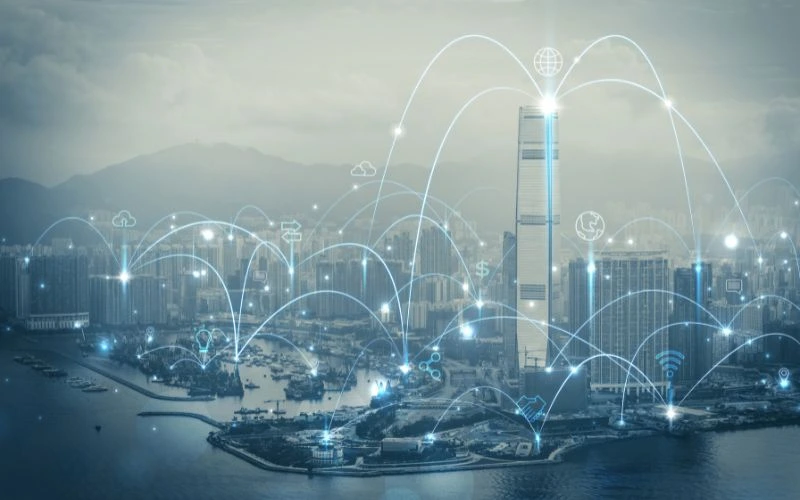
The Internet of Things (IoT) concept has taken center stage in the ever-evolving technological landscape. The IoT refers to a network of physical devices embedded with sensors, software, and connectivity that seamlessly exchange and transmit data over the Internet. As we venture into 2024, we can expect smarter devices to pioneer the IoT ecosystem, bringing forth a new era of interconnectedness.
These devices are becoming integral to our daily lives, from smart homes with intelligent thermostats and voice-activated virtual assistants to wearable fitness trackers and connected cars. These smart devices harness the power of the IoT to improve efficiency, enhance convenience, and enable automation in various aspects of our routines. For example, imagine waking up and having your coffee machine brew the perfect cup just as your alarm goes off.
Additionally, industries such as healthcare are leveraging smarter devices in innovative ways. IoT-enabled medical devices can remotely monitor patients’ health conditions, allowing doctors to intervene when necessary promptly. For instance, cardiac patients can use wearable heart monitors that alert medical professionals in case of irregularities or emergencies. This real-time data transmission has the potential to save lives and improve overall healthcare outcomes.
While smarter devices offer numerous advantages, it’s essential to consider potential concerns around privacy and security. As more devices become interconnected and collect vast amounts of personal data, there is a need for robust security measures to protect users from breaches or unauthorized access. Striking a balance between convenience and privacy will be crucial in shaping the future of this emerging technology trend.
Now that we have explored how smarter devices are pioneering the IoT ecosystem, let’s delve into unwrapping their benefits while confronting the challenges of implementing this transformative technology.
Unwrapping Benefits and Confronting IoT Challenges
The emergence of the IoT brings forth many benefits across various industries. Firstly, the IoT has the potential to enhance efficiency and productivity significantly. For instance, in manufacturing environments, sensors embedded within machines can collect real-time data on performance and identify potential issues before they escalate, enabling proactive maintenance and reducing downtime.
Another significant benefit of the IoT lies in its ability to optimize resource management. By utilizing data generated from smart devices, industries like agriculture can implement precision farming techniques. These techniques involve analyzing soil conditions, weather patterns, and crop growth data to determine optimal irrigation schedules and fertilizer applications. This increases crop yields, reduces water usage, and minimizes environmental impact.
Additionally, smart cities are embracing IoT technologies to improve urban living conditions. By integrating data-driven technologies such as smart lighting, waste management systems, and traffic control mechanisms, cities can enhance energy efficiency, reduce waste generation, and alleviate congestion. These advancements can potentially create more sustainable and livable urban environments for citizens.
However, along with these benefits come several challenges that must be addressed. One of the primary concerns is data security and privacy. As more devices are connected through the IoT, there is an increased risk of cyber threats and unauthorized access to sensitive information. Robust security measures, including encryption protocols and authentication mechanisms, must be implemented to safeguard against potential breaches.
Furthermore, interoperability and compatibility between different IoT devices remain a challenge. With numerous manufacturers producing various devices with varying communication protocols and standards, seamless integration and communication between these devices have become complex. Standardization efforts are underway to establish common frameworks that allow interoperability, but achieving widespread compatibility is ongoing.
Lastly, ethical considerations surrounding data collection and usage in the IoT ecosystem raise important questions about individual privacy rights and consent. Striking a balance between harnessing the power of data for innovation while respecting user privacy is crucial for the long-term success and acceptance of IoT technologies.
Embracing the 5G Revolution
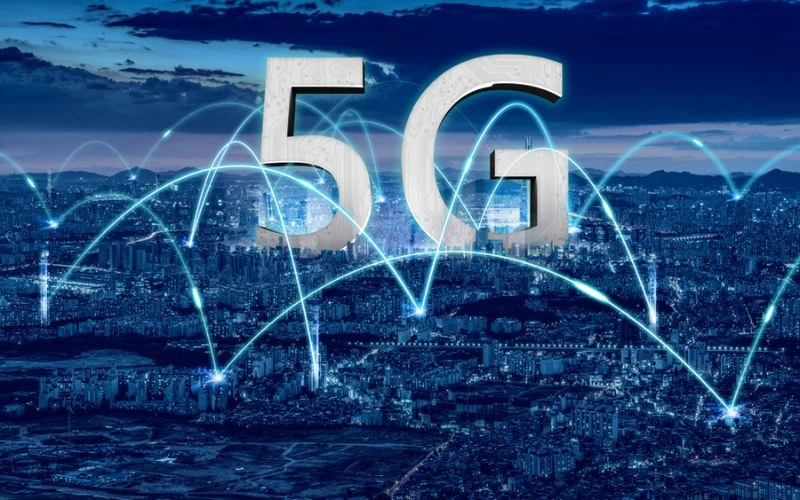
In this era of rapid technological advancements, one of the most significant and transformative trends making its mark is the advent of 5G. As we eagerly embrace this 5th generation of wireless technology, it is poised to revolutionize communication, connectivity, and innovation on a global scale. With its incredible speed, low latency, and capacity to support an extensive network of devices, 5G opens up new possibilities and opportunities for businesses, individuals, and society.
Imagine a future where you can download an entire high-definition movie in seconds or experience real-time virtual collaborations with colleagues across the globe without any lag. This is the promise that 5G holds – ultra-fast speeds and unparalleled responsiveness that will transform the way we interact with technology.
From a business perspective, embracing the 5G revolution brings exciting prospects for various industries. Telecommunications, healthcare, transportation, manufacturing, and entertainment are just a few sectors that stand to benefit immensely from the capabilities and potential unlocked by this technology. For instance, in healthcare, doctors can perform remote surgeries with precision by leveraging real-time data transmission enabled by 5G. In manufacturing, autonomous robots can efficiently communicate and coordinate operations in complex production lines through secure and ultra-fast connections.
Moreover, the Internet of Things (IoT) ecosystem will thrive under the influence of 5G. With its ability to handle massive amounts of data transmission simultaneously and without disruption, 5G empowers a vast network of interconnected devices to function seamlessly. This paves the way for smart cities with sensors that monitor traffic flow in real-time or smart homes where appliances automatically adjust according to occupants’ preferences.
Now that we understand the immense potential of 5G technology across various sectors, let’s explore how it influences technology adoption on a broader scale.
Exploring 5G and Its Influence on Technology Adoption
The widespread adoption of any new technology depends on its ability to enhance existing solutions or create innovative ones. Regarding 5G, its influence on technology adoption is likely profound. With its remarkable speed, decreased latency, and increased reliability, 5G will push the boundaries of what is possible in remote learning and education, telemedicine, live streaming of sports and entertainment programs, day-to-day communications, and even transportation and traffic control.
Consider how remote learning has become a necessity in recent times. The implementation of 5G will enable students in remote areas to access high-quality educational content through seamless video conferencing and interactive virtual classrooms. This level of connectivity provided by 5G can bridge the gap between students and quality education, regardless of their geographical location.
5G will revolutionize telemedicine in the healthcare sector by enabling doctors to provide real-time consultations and diagnoses remotely. Patients in rural areas can access specialized medical care without extensive travel, reducing costs and improving overall accessibility to healthcare services.
Furthermore, with the exponential growth of online streaming platforms, the demand for high-quality live sports events and entertainment programs has skyrocketed. 5G’s superior bandwidth and low latency will ensure that viewers enjoy smooth and uninterrupted streaming experiences even during peak hours.
As we look at the broader picture, transportation stands to benefit significantly from 5G implementation. Smart cities with intelligent traffic management systems powered by 5G will optimize traffic flow, reduce congestion, and enhance driver safety through real-time data analysis. Connected vehicles will communicate with each other seamlessly, ensuring smoother journeys while enabling advanced features like autonomous driving.
Undoubtedly, 5G’s influence on technology adoption extends far beyond these examples into almost every aspect of our lives. The potential applications are vast and can truly reshape how we live, work, learn, and connect.
Implementing 5G technology can revolutionize various aspects of our lives by significantly enhancing existing solutions or creating innovative ones, including remote learning and education, telemedicine, live streaming of sports and entertainment programs, day-to-day communications, transportation, and traffic control. Its remarkable speed, decreased latency, and increased reliability can bridge the gap between students and quality education regardless of geographic location, provide specialized medical care remotely to patients in rural areas, ensure smooth and uninterrupted streaming experiences even during peak hours, optimize traffic flow, reduce congestion, and enhance driver safety through real-time data analysis. The potential applications of 5G are vast and can truly reshape how we live, work, learn, and connect.
Cybersecurity in the Era of Emerging Technologies

In the dynamic landscape of emerging technologies, cybersecurity is pivotal in safeguarding individuals, organizations, and even nations from malicious activities. As technological advancements continue to reshape our world, the threats we face are also evolving. The cybersecurity landscape has become more complex and challenging, from Ransomware-as-a-Service (RaaS) platforms to AI-powered attacks and supply chain breaches.
It is crucial to recognize that emerging technologies such as artificial intelligence (AI), 5G networks, Internet of Things (IoT), and cloud computing bring immense opportunities but also introduce new vulnerabilities. For instance, AI-powered attacks have the potential to bypass traditional security measures by learning and adapting quickly to exploit system weaknesses. Likewise, 5G networks and IoT devices offer increased connectivity and open avenues for sophisticated cyberattacks.
Imagine an organization adopting AI to enhance its customer support services. While this technology brings efficiency and convenience, it exposes the organization’s data to AI-powered attacks. Hackers can leverage AI algorithms to breach security systems and gain unauthorized access to sensitive information, potentially devastating consequences for individuals and businesses.
To combat these emerging threats effectively, robust cybersecurity measures are paramount.
The Growing Need for Robust Cybersecurity Measures
As technology permeates every aspect of our lives, the need for robust cybersecurity measures becomes increasingly vital. Organizations must proactively invest in cutting-edge security solutions that align with the emerging technology trends in 2024. This includes implementing comprehensive threat intelligence systems that continuously monitor and analyze existing threats while identifying potential risks before they manifest into full-scale attacks.
Moreover, cloud security has become a significant concern as morinesses migrate their critical data and applications to cloud infrastructure. Safeguarding cloud environments from unauthorized access through encryption protocols, multi-factor authentication (MFA), and regular security audits is essential in mitigating the risks associated with cloud-based operations.
While technology is a double-edged sword, providing convenience and vulnerability, organizations must also recognize the importance of addressing human factors in cybersecurity.
Insider threats remain a significant concern, highlighting the need for effective employee training programs and strict access management controls. Organizations should foster a culture of cybersecurity awareness and educate employees about potential threats such as phishing attacks, social engineering, and data breaches. By doing so, employees become integral to an organization’s defense against cyber threats.
Some argue that robust cybersecurity measures impede innovation and hinder technological progress. However, this perspective underestimates cybersecurity’s critical role in building trust between users, businesses, and society. Individuals may hesitate to adopt emerging technologies without proper security measures due to fears of privacy breaches and cyberattacks. Therefore, robust cybersecurity measures are essential for protecting sensitive information and fostering a climate of trust and confidence in the digital landscape.