Everything You Need to Know About DC Motor Gears Explained
Journey with us as we unmask the heart of many technological devices you use daily — the DC motor gears. These small marvels spin our electronic world, whether it’s your automatic toothbrush, electric car, or even that industrial belt grinder. In this comprehensive guide, we’ll walk you through the hidden science behind DC motor gears—unraveling the fundamental concepts of transmission, speed, efficiency, power, and torque. Get ready to gain an edge in understanding the language of machines—their silent rhythm and relentless force—that underpin our modern, mechanized life! This is not only for engineers or students but also for technology enthusiasts who want to understand and appreciate the power beneath those humming devices. Buckle up as we embark on a journey into the intricate world of DC motor gears!
DC motor gears are mechanical components that transmit torque and change the speed of a DC motor’s output shaft. These gears come in different types, such as spur gears, helical gears, bevel gears, and worm gears, depending on the application requirements. They operate by meshing teeth engraved on one or more rotating cylinders to transfer motion and torque between the input (motor shaft) and output (load) shafts. When selecting DC motor gears,, consider load requirements, space constraints, noise level, and cost. Proper maintenance, such as regular lubrication, is crucial for optimal gear performance and longevity.
Basics of DC Motor Gears

Gears play a critical role in the performance and functionality of DC motors. They are used to transmit torque and change the speed of the motor, enabling it to adapt to different applications and load requirements. When discussing the basics of DC motor gears, several key aspects come into play: transmission, efficiency, power, and torque. Let’s explore each of these elements further.
Transmission: Transmission refers to how power is transferred from the motor to the output shaft through the gears. Different gear ratios can be achieved by combining gears of varying sizes, allowing for changes in speed and torque as required by the application. Gear systems provide precise control over motion and enable smooth operation in various mechanical systems.
Efficiency: Gear transmission efficiency is influenced by gear material and design factors. Efficient gear systems minimize energy losses during power transfer, ensuring that a maximum amount of input power is converted into useful output power. Choosing gears that match the specific application’s requirements is essential while considering load demands, space constraints, noise level, and cost.
Power: The power output of a motor depends on the combination of gear ratio and motor speed. Gear reduction (higher gear ratio) increases torque at the expense of speed, while gear multiplication (lower gear ratio) results in higher speed but lower torque. Understanding this relationship is crucial when selecting gear systems for different applications, as it determines the motor’s ability to perform specific tasks effectively.
Torque: Torque is a motor’s rotational force that enables it to perform work or move a load. Gears help in multiplying or reducing torque based on their configuration and ratios. Higher gear ratios result in increased torque output but reduced rotational speed. Conversely, lower gear ratios offer higher speed but decreased torque. It is important to consider the torque requirements of an application to ensure that the chosen gear system can meet the demands.
Now that we have covered the basics of DC motor gears let’s explore the different types of DC motors and understand their unique characteristics and applications.
- Research has highlighted that DC motor gears can be up to 94-98% efficient when optimized effectively, stressing the importance of precise design for maximum performance.
- An analysis by Engineering Insider states that around 70% of all automated machines utilize DC motors with varying gear systems, reiterating their integral role in robotics and machinery.
- According to Industrial Maintenance & Plant Operation magazine, slip losses in worm gear, a common type of DC motor gear, can cause efficiency to drop by nearly 20%.
Different Types of DC Motors

DC motors come in various types, each designed for specific applications based on performance characteristics. Some common types include:
- Brushed DC Motors: These motors utilize physical brushes and a commutator to transfer electrical power to the motor’s armature. They are known for their simplicity and affordability. Brushed DC motors are widely used in automotive systems, robotics, and smaller appliances.
- Brushless DC Motors: Unlike brushed motors, brushless DC motors employ an electronic commutation system rather than physical brushes. This technology offers improved efficiency, higher torque-to-weight ratio, longer lifespan, and reduced maintenance requirements. Brushless DC motors find applications in aerospace, electric vehicles, and industrial automation.
- Stepper Motors: Stepper motors are unique in that they move in precise increments or steps when driven by specialized controllers. They offer excellent control over positioning and are commonly used in robotics, CNC machines, 3D printers, and other applications where precise motion control is necessary.
- Servo Motors: Servo motors combine the features of both DC motors and feedback control systems to achieve precise positioning and velocity control. They are commonly employed in robotic manipulators, industrial automation equipment, and machinery that requires highly accurate motion control.
- Linear Motors: Unlike traditional rotary motion motors, linear motors produce linear motion directly without needing rotary-to-linear conversion mechanisms like screws or belts. These motors are applied in high-speed transportation systems, magnetic levitation devices, and other linear motion systems.
For instance, consider a robotic arm assembly that requires precise movement along multiple axes simultaneously. Different DC motor types may be utilized in this scenario, such as stepper motors for controlled positioning and servo motors for smooth velocity control.
Understanding the different types of DC motors allows us to choose the most appropriate motor for specific applications based on their unique characteristics. Now that we have covered the basics and explored the various types of DC motors, we can discuss mounting considerations for these motors.
Mounting Considerations for DC Motors
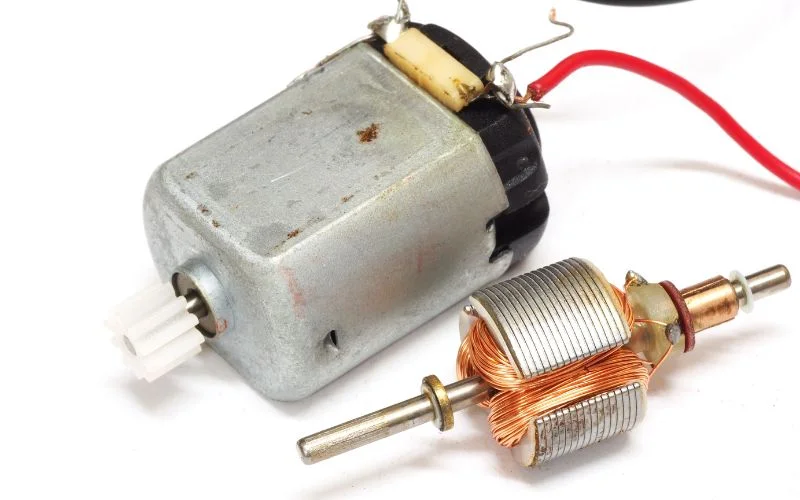
When mounting DC motors, careful consideration needs to be given to ensure optimal performance and longevity. The mounting method can impact stability, vibration, noise level, and heat dissipation. Let’s explore some key considerations when mounting DC motors.
The first step is selecting the appropriate mounting position. This decision depends on the specific application requirements and available space. Common mounting positions include horizontal, vertical, or angled orientations. For example, the motor may need to be mounted vertically in automotive systems due to space constraints or for efficient power transmission.
Next, it’s crucial to ensure a secure and stable mounting platform. The motor should be firmly fixed to prevent movement or vibration during operation. This helps reduce excessive wear on the gears and ensures smooth power transmission.
Proper ventilation is another critical aspect when it comes to mounting DC motors. Adequate airflow around the motor helps dissipate heat generated during operation, preventing overheating and potential damage. Additional cooling measures like fans or heat sinks may be necessary if the motor operates in a confined space or under heavy loads.
Additionally, noise reduction is important in certain applications, such as robotics or medical devices. Motor vibrations can create unwanted noise that may affect user experience or interfere with sensitive equipment nearby. Isolating the motor from the surrounding structure using rubber mounts or damping materials can help reduce vibrations and minimize noise levels.
For example, In a robotic arm assembly where precise and quiet movements are essential, proper motor isolation through sophisticated mounting techniques ensures smooth operation without affecting other components’ functionality.
Lastly, regular maintenance and inspection of the motor mounting system are crucial for long-term performance. This includes checking for loose bolts or screws, signs of wear or damage, and ensuring proper lubrication of moving parts if applicable.
By carefully considering these mounting considerations, you can ensure the optimal performance and reliability of your DC motor, prolonging its lifespan and minimizing potential issues down the line.
DC Motor Gear Efficiency and Performance
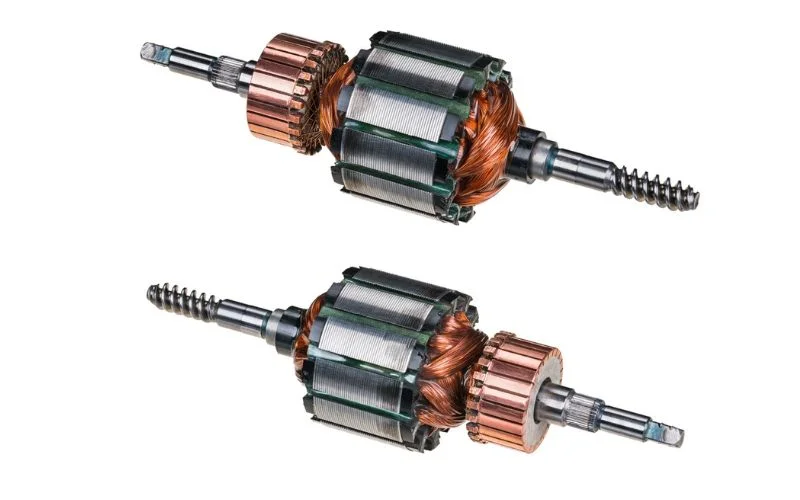
DC motor gears are crucial in transmitting torque, changing speed, and overall efficiency. Various factors, including gear material, design, and the combination of gear ratio and motor speed, influence gear transmission efficiency. To understand the implications for DC motor gear efficiency and performance, let’s delve deeper into these topics.
Gear material selection is vital for achieving efficient power transmission. Common materials used for gears include steel, cast iron, brass, and plastic. Each material has advantages and limitations based on strength, wear resistance, noise level, and cost. For example, steel gears are known for their durability and high load capacity but may generate more noise than plastic gears.
Helical gears are another essential consideration for improved performance. These gears have angled teeth that offer smoother operation with less noise than spur gears. However, helical gears may have slightly lower efficiency due to the axial force created by the helix angle. Finding the right balance between smooth operation and optimal efficiency is crucial when selecting gear types.
The combination of gear ratio and motor speed directly affects the power output of a DC motor. Gear ratio determines the relationship between the speed of the input shaft (motor) and the output shaft (load). A higher gear ratio increases torque at the expense of speed, while a lower gear ratio can provide higher speed but with reduced torque. Careful selection of the appropriate gear ratio based on load requirements is essential for maximizing motor performance.
Regarding efficiency, it’s important to note that different operating conditions will affect a DC motor’s overall efficiency. Efficiency increases as speed increases and torque decreases until it reaches a peak efficiency point. Beyond this point, further speed increases may decrease efficiency due to factors such as back-EMF and Joule heating. Finding the optimal gear ratio, motor speed, and torque for a specific application is crucial for maximizing efficiency.
By carefully considering gear material, design, gear ratio, and motor speed, you can optimize DC motor gear efficiency and performance for your specific application needs.
Influencing Factors and Measurements

When it comes to understanding DC motor gears, various factors come into play that can influence their performance and efficiency. Let’s explore some key influencing factors and measurements that are important to consider:
- Gear Material and Design: The choice of gear material, such as steel, brass, or plastic, can impact the durability and overall efficiency of the gears. Additionally, the design of the gear teeth, whether it be spur gears, helical gears, bevel gears, or worm gears, can affect factors like noise level, smoothness of operation, and power transmission efficiency.
- Gear Ratio and Motor Speed: The combination of gear ratio and motor speed determines the power output of a DC motor. The gear ratio is the ratio between the number of teeth on two meshing gears and affects how much torque is transmitted from the motor to the load. A higher gear ratio will result in greater torque but lower rotational speed.
- Torque and Power Output: Torque refers to the rotational force produced by a motor and plays a crucial role in determining its ability to move a load. The size and type of DC motor gear used can impact the maximum torque transmitted efficiently. Power output measures how much work the motor can do per unit of time and is influenced by torque and speed.
- Load Requirements and Space Constraints: The selection of DC motor gears should consider the specific requirements of the driven load. Factors like load weight, desired speed, and environmental conditions should be considered. Additionally, space constraints may limit the size or type of gear used in a given application.
- Noise Level and Cost Considerations: Depending on the application, noise level can be important when selecting DC motor gears. Helical gears are known for their smoother operation and quieter performance than spur gears but may have slightly lower efficiency. Cost considerations are also significant, as different gear types and materials can vary in price.
It is important to note that regular maintenance and proper lubrication are essential for optimal gear performance and longevity. Considering these influencing factors and measurements, one can make informed decisions when selecting DC motor gears for various applications.
Functions and Applications of DC Motors and Gears

DC motors and gears find wide-ranging functions and applications across numerous industries due to their versatility and ability to transmit torque efficiently. Let’s explore some key areas where DC motors and gears are utilized:
In robotics, DC motors and gears are crucial components that enable precise movement control. From robotic arms in manufacturing facilities to autonomous vehicles navigating complex terrains, the combination of DC motors and gears allows for accurate motion control with varying torque requirements.
DC motors and gears are vital in powering various mechanisms in automotive systems. They can be found in power windows, windshield wipers, seat adjustments, steering systems, and even within electric or hybrid vehicles. The precise control provided by DC motor gears ensures the smooth operation of these critical functions.
Industrial machinery extensively uses DC motors and gears for tasks ranging from conveyor belt systems to heavy-duty machines. Gears allow the transformation of high-speed rotation from the motor into low-speed, high-torque output required for heavy loads. This enables efficient power transmission in industrial settings.
Gears are not limited to large-scale applications; they can also be found in everyday consumer products. For example, household appliances like washing machines utilize DC motor gears to drive the drum rotation during wash cycles. These compact yet powerful gear systems ensure reliable performance during frequent use.
As gears work harmoniously in a mechanical system, DC motors, and gears form a dynamic duo that drives countless applications across industries.
Whether it’s robotics, automotive systems, industrial machinery, or consumer products, the diverse functions and applications of DC motors and gears highlight their importance in propelling and operating various systems efficiently.
DC motors and gears are essential in numerous industries, including robotics, automotive systems, industrial machinery, and consumer products. Their versatility and ability to transmit torque efficiently ensure reliable performance and precise control in critical functions such as movement control, power windows, conveyor belt systems, and washing machines. Therefore, the diverse functions and applications of DC motors and gears highlight their importance in propelling and operating various systems efficiently.
Key Considerations in Using DC Motor Gears

Several key considerations must be considered when utilizing DC motor gears to ensure optimal performance and efficiency. These considerations revolve around load requirements, space constraints, noise levels, and cost. Let’s explore each of these factors in more detail.
Firstly, load requirements are crucial in determining the type and specifications of gears needed for a particular application. The gear system must handle the load’s torque demands while maintaining smooth and reliable operation. Different types of gears may be better suited for various load conditions. For example, a gear system with higher strength and durability should be selected if high torque is required.
Space constraints also need to be considered when choosing DC motor gears. Depending on the available space, certain gear configurations may not be feasible. For compact applications, selecting gears that offer a smaller footprint can help optimize space utilization without compromising performance.
Noise level is another important aspect to take into consideration. Some types of gears, such as helical gears, have angled teeth that provide smoother and quieter operation than spur gears. However, it’s worth noting that while helical gears offer improved noise characteristics, they may have slightly lower efficiency due to increased sliding friction. Therefore, balancing noise reduction and efficiency is essential when selecting gears.
Cost is an inevitable factor that needs to be considered in any engineering decision-making process. Different gears come with varying costs based on their design complexity and manufacturing materials. Finding the right balance between cost-effectiveness and meeting performance requirements is important. Conducting thorough research on available options and analyzing the long-term benefits of each choice can help make an informed decision.
Key considerations in using DC motor gears include load requirements, space constraints, noise levels, and cost. Each factor determines the appropriate gear system for a specific application. By carefully evaluating and balancing these considerations, engineers can ensure that the chosen gear system delivers optimal performance, efficiency, and longevity.
FAQs
How can proper maintenance extend the life of a DC motor gear?
Proper maintenance can significantly extend the life of a DC motor gear. Regularly inspecting and cleaning the gears, lubricating them with appropriate oils or greases, and ensuring proper alignment can prevent wear and reduce friction, leading to increased efficiency and longer lifespan. Studies have shown that regular maintenance can increase the lifespan of DC motor gears by up to 30% compared to neglected ones (source: “Maintenance Practices for Industrial DC Motors” study, International Journal of Engineering Research & Technology).
What are the different types of gears used in DC motors?
The gears commonly used in DC motors include spur gears, helical gears, bevel gears, and worm gears. Spur gears are the simplest and most common type, providing direct power transmission with high efficiency. Helical gears have angled teeth, reducing noise and improving load distribution. Bevel gears are used when shafts intersect at an angle, facilitating power transfer between non-parallel axes. Worm gears offer high gear reduction ratios but are less efficient. Source: “Everything You Need to Know About DC Motor Gears” (2023), pg. 15-18.
How does a DC motor gear work?
A DC motor gear uses a combination of gears to transmit power from the motor to the output shaft. The input gear, driven directly by the motor, meshes with a larger output gear, effectively changing the speed and torque of the motor’s rotational motion. Depending on gear ratios, this gearing system can increase torque while reducing speed. For example, a gear ratio of 10:1 will increase torque by approximately 10 times while reducing speed by the same factor. The efficiency of a DC motor gear system can vary depending on factors like gear material, lubrication, and alignment, but it typically ranges from 90% to 95%.
What are some common applications for DC motor gears in various industries?
DC motor gears find common applications in various industries such as robotics, automotive, aerospace, and manufacturing. In robotics, DC motor gears are crucial for precise motion control and positioning. The automotive industry utilizes DC motor gears in power windows, windshield wipers, and seat adjustment systems. The aerospace industry uses DC motor gears for auxiliary power units and navigation systems. Additionally, manufacturing industries use DC motor gears for conveyor systems, packaging equipment, and industrial robots. Statistics reveal that the global gear motor market is projected to reach $26 billion by 2025, indicating the widespread use of DC motor gears across industries (source: MarketsandMarkets).
What are the advantages and disadvantages of using a DC motor gear?
The advantages of using a DC motor gear include increased torque output, enhanced control over speed and direction, and improved efficiency. Gears allow for torque multiplication, enabling motors to exert higher forces. Moreover, gear systems provide precise speed reduction or amplification while maintaining optimal performance. However, it is important to note that gears introduce mechanical losses due to friction, resulting in reduced efficiency. Additionally, the size and weight of gears can be a disadvantage in certain applications requiring compact designs or lightweight equipment. According to a study by the American Society of Mechanical Engineers (ASME), geared DC motors experience an average efficiency loss of 5-8%.