Speed Control of DC Motors: Techniques and Applications
Speed control of DC motors is a crucial aspect of various industrial and consumer applications. Whether you’re designing a robotics project, operating a conveyor belt, or managing a computer’s cooling system, understanding how to control the speed of a DC motor efficiently is essential. In this article, we will delve into the mechanisms and techniques for controlling the speed of DC motors, exploring the various methods available and their applications.
Understanding DC Motors

Before we dive into speed control techniques, it’s essential to grasp the fundamentals of DC motors. Direct current (DC) motors convert electrical energy into mechanical energy. They operate based on the interaction between a magnetic field and current-carrying conductors, resulting in rotational motion. DC motors come in various types, including brushed and brushless motors, each with unique characteristics.
Speed Control Techniques
Speed control techniques for DC motors encompass a range of methods and technologies designed to regulate the motor’s rotational speed. These techniques, including voltage control, PWM, current limiting, external resistance, field-oriented control, sensorless control, and closed-loop feedback control, offer engineers and developers a diverse toolkit to meet the specific requirements of their applications, from basic speed adjustments to high-precision power in advanced systems.
Voltage Control
One of the most straightforward ways to control the speed of a DC motor is by varying the applied voltage. According to Ohm’s law (V = IR), reducing the voltage supplied to the motor decreases the current flowing through it. This, in turn, reduces the motor’s torque and speed. Conversely, increasing the voltage will result in higher speed and torque. Voltage control is simple and cost-effective, making it suitable for basic applications.
Pulse Width Modulation (PWM)
PWM is a widely used technique for DC motor speed control. It involves rapidly switching the supply voltage on and off, creating an average voltage that determines the motor’s speed. By adjusting the duty cycle (the ratio of “on” time to “off” time), you can precisely control the motor’s speed. PWM offers excellent control accuracy and efficiency, making it suitable for various applications, including robotics, drones, and consumer electronics.
Current Limiting
In some applications, controlling the speed of a DC motor by regulating the current is more important than voltage control. Current limiting involves monitoring and limiting the current flowing through the motor. This ensures the engine operates within safe limits, preventing overheating and damage. Current limiting is commonly used in applications where the load on the engine may vary significantly, such as CNC machines and elevators.
External Resistance
Adding external resistance to the circuit is an older DC motor speed control method. By inserting a resistor in series with the motor, you can reduce the effective voltage across it, thus controlling its speed. This method is less efficient than PWM and current limiting, as it dissipates power in the form of heat in the resistor. It is generally used in older systems where more advanced control methods are not feasible.
Applications of DC Motor Speed Control
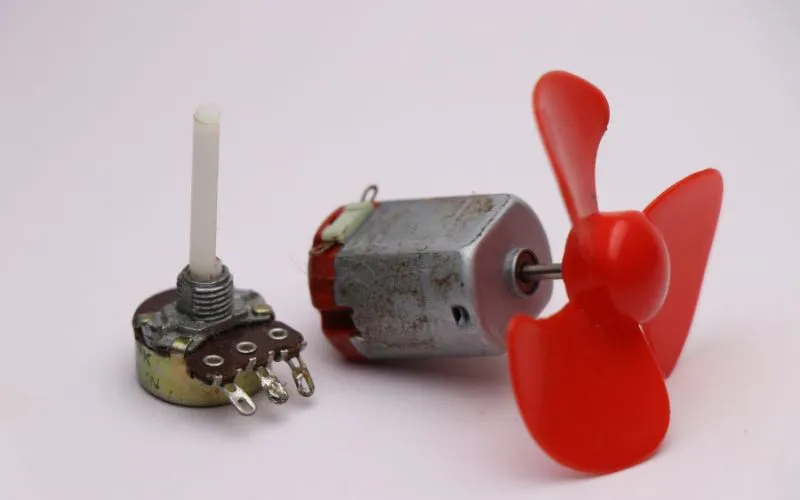
DC motor speed control finds applications in various industries and everyday devices. Here are some notable examples:
Robotics
In robotics, precise control of DC motor speed and direction is essential for controlling the movement of robotic arms, wheels, and other components. PWM control is commonly used in robotics to achieve high-precision actions.
Industrial Automation
Conveyor belts, assembly line machines, and industrial robots rely on DC motors. Speed control ensures that these machines can adapt to varying production requirements efficiently.
Automotive Industry
Electric vehicles (EVs) use DC motors for various functions, such as controlling the speed of the wheels and adjusting the position of mirrors. Advanced motor control techniques contribute to energy efficiency and performance in the automotive sector.
HVAC Systems
Heating, ventilation, and air conditioning (HVAC) systems control fan speed and airflow using DC motors. Speed control helps maintain consistent temperature and comfort levels.
Consumer Electronics
DC motors are in countless consumer electronics, including cooling fans, DVD drives, and electric toothbrushes. Precise control ensures quiet operation and efficient power consumption.
Advanced Speed Control Methods
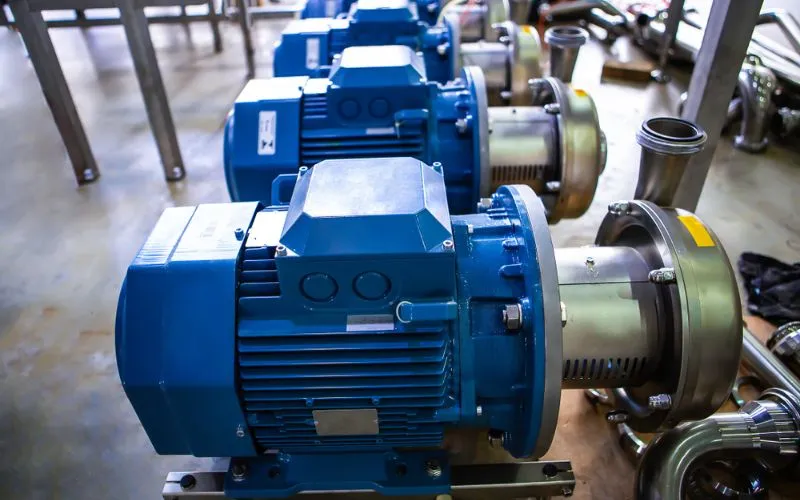
While we’ve discussed the fundamental techniques for controlling the speed of DC motors, some more advanced methods and technologies can provide even greater control precision and efficiency. These methods are often employed in specialized applications or where specific performance requirements must be met.
Field-Oriented Control (FOC)
Field-oriented control, or vector control, is a sophisticated method used mainly with brushless DC motors (BLDC). FOC allows precise control of both the motor’s speed and torque. It involves decoupling the motor’s magnetic field into torque-producing and magnetizing components. By independently controlling these components, FOC can achieve high-performance control even in dynamic and high-load conditions. This makes it suitable for applications like electric vehicles and industrial automation.
Sensorless Control
Sensorless control techniques are designed to operate DC motors without the need for traditional position or speed sensors, such as encoders or Hall-effect sensors. These methods rely on algorithms and mathematical models to estimate the motor’s position and speed based on current and voltage measurements. Sensorless control reduces cost and complexity, making it popular in applications like household appliances and power tools.
Closed-Loop Feedback Control
Closed-loop feedback control combines sensors and control algorithms to monitor and adjust the motor’s speed and position continuously. This method ensures the engine operates precisely as intended, even in external disturbances. Common sensors used for feedback control include encoders, resolvers, and tachometers. This approach is indispensable in applications where precision is critical, such as CNC machines and robotics.
Conclusion
Controlling the speed of DC motors is a fundamental aspect of many technological advancements and industrial applications. Whether you’re working on a high-precision robotics project or optimizing an industrial process, understanding the various speed control techniques and their applications is critical. From basic voltage control to advanced field-oriented control and sensorless practices, the choice of method depends on your project’s specific needs and constraints.
FAQs
1. How do I choose the right speed control method for the motor?
The choice of speed control method depends on your specific application requirements. Voltage control is suitable for basic applications, while PWM offers precise control for robotics and electronics. Current limiting is ideal for applications where current protection is critical.
2. What is the role of feedback systems in DC motor speed control?
Feedback systems, such as encoders and sensors, provide real-time information about the motor’s speed and position. This data allows for closed-loop control, where the controller adjusts the motor’s input based on the actual output, ensuring accurate and stable speed control.
3. Are there any safety considerations when implementing DC motor speed control?
Yes, safety is paramount when working with DC motors. Implementing current and temperature monitoring is essential to prevent overheating and damage. Additionally, ensure that the control system has fail-safe mechanisms in place to respond to unexpected.