DOL Starter: The Gateway to Efficient Motor Control
Motor control is an essential aspect of various industrial and commercial applications. Motors power a wide range of machinery, from pumping systems to conveyor belts, making them indispensable in today’s world. However, efficient motor control requires a reliable and effective starting mechanism. This is where the DOL starter comes into play.
The DOL starter, short for Direct-On-Line starter, is widely used for starting motors. It provides a simple, cost-effective solution that ensures smooth motor operation while minimizing stress on the electrical system. With its straightforward design and ease of implementation, the DOL starter has become a go-to choice for many industries.
Unlike other motor starting methods that involve complex circuits, the DOL starter offers a direct connection between the motor and the power supply. This direct-on-line approach allows for immediate motor activation, eliminating the need for additional components or intricate control systems. As a result, the DOL starter provides a reliable and efficient solution for a wide range of motor applications.
This comprehensive guide will delve deeper into the world of DOL starters. We will explore the components of a DOL starter, including the contactor, overload relay, and start and stop buttons. Furthermore, we will discuss the working principle of a DOL starter and its advantages and limitations.
Moreover, we will explore the importance of proper motor sizing and the role of overload protection in ensuring the motor’s longevity and the system’s safety. Additionally, we will touch upon the different types of motors compatible with DOL starters and the considerations for selecting the right DOL starter for specific applications.
So, join us on this journey as we unravel the intricacies of DOL starters and discover how they revolutionize motor control. Whether you are a seasoned professional or just starting in the field, this guide will provide valuable insights and knowledge to enhance your understanding of motor control systems. Let’s dive in and explore the world of DOL starters together.
What Is a DOL Starter?
A DOL starter, a Direct-On-Line starter, is an electrical device commonly used in motor control systems. It is designed to start and stop an electric motor without additional control circuitry. This type of starter is widely used in various industrial applications and plays a crucial role in ensuring the smooth operation of motors.
The DOL starter consists of a contactor and an overload relay. The contactor connects and disconnects the motor from the power supply, while the overload relay protects the motor from excessive current. When the starter is activated, the contactor closes, allowing current to flow to the motor, which starts running. Conversely, when the starter is deactivated, the contactor opens, cutting off the power supply to the motor, which stops.
One of the key advantages of using a DOL starter is its simplicity. It is easy to install and requires minimal maintenance. Additionally, it is cost-effective compared to other motor control methods. However, it is important to note that DOL starters are unsuitable for all motors. They are typically used for small to medium-sized motors that do not require precise control or soft starting.
In conclusion, a DOL starter is essential to motor control systems. Its straightforward design and functionality make it popular in various industrial applications. By understanding the basics of a DOL starter, one can effectively utilize this device to ensure the efficient operation of electric motors.
How Does a DOL Starter Work?
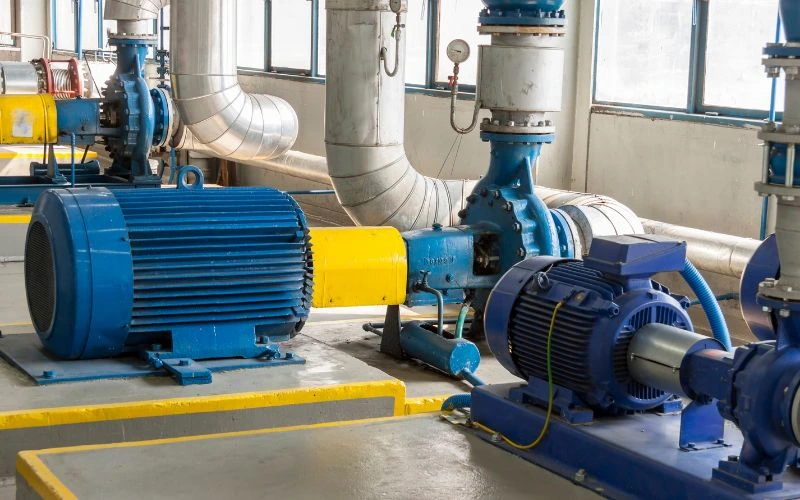
A DOL starter, also known as a direct-on-line starter, is a motor starter commonly used to control electric motors’ starting and stopping. It is a simple and cost-effective solution that provides direct power to the motor, allowing it to start at full voltage.
The working principle of a DOL starter is quite straightforward. When the start button is pressed, it energizes a coil in the starter, closing the main contactor. This allows the full voltage to be applied directly to the motor, causing it to start running. At the same time, an auxiliary contactor is also closed, which keeps the main contactor engaged even after the start button is released.
Once the motor reaches full speed, a centrifugal switch or current sensing device detects this and opens the circuit to the start winding. This de-energizes the coil, causing the main contactor to open and disconnect the motor from the power supply. The motor then continues to run independently, powered directly from the supply.
One of the advantages of a DOL starter is its simplicity. It doesn’t require complex control circuits or additional components, making it easy to install and maintain. However, it does have some limitations. The sudden application of full voltage can cause high starting currents, which may lead to voltage dips in the electrical system. The high starting torque can also stress the motor and mechanical equipment.
In conclusion, a DOL starter is a simple and effective way to start and stop electric motors. Providing direct power to the motor allows for quick and efficient motor operation. However, it is important to consider this type of starter’s potential drawbacks and limitations when selecting it for a particular application.
What Are the Advantages of Using a DOL Starter?
A direct-on-line (DOL) starter is commonly used in electrical systems to start and control electric motors. It provides a simple and cost-effective solution for motor starting and offers several advantages, making it a popular choice in various industries.
One of the primary advantages of using a DOL starter is its simplicity. It consists of a contactor, an overload relay, and a start button, making it easy to install and operate. This simplicity also translates into lower maintenance requirements, reducing downtime and costs associated with motor repairs.
Another advantage of a DOL starter is its ability to provide full voltage to the motor during starting. This ensures the motor receives the necessary torque to start efficiently, even under heavy loads. By delivering full voltage instantly, the DOL starter eliminates the need for complicated starting techniques, such as reduced voltage or star-delta starters.
DOL starters are also known for their reliability. Fewer components and a straightforward design minimize the chances of failure. This reliability is crucial in industries where motor failure can lead to significant production losses or safety hazards.
Furthermore, DOL starters are cost-effective compared to other motor starting methods. Their simplicity lowers initial costs, making them an attractive option for small to medium-sized applications. Additionally, their reliability and low maintenance requirements contribute to long-term cost savings.
In conclusion, DOL starters offer several advantages, making them a preferred choice for motor starting applications. Their simplicity, ability to provide full voltage, reliability, and cost-effectiveness are key factors that contribute to their popularity. Whether in industrial settings or commercial buildings, DOL starters offer a reliable and efficient solution for motor control.
What Are the Disadvantages of Using a DOL Starter?
A Direct-On-Line (DOL) starter is a commonly used starting method for electric motors. While it has its advantages, there are also several disadvantages to consider when using a DOL starter.
One of the main disadvantages of using a DOL starter is the high starting current. When a motor uses a DOL starter, it draws a large amount of current from the power supply. This sudden surge in current can cause voltage dips and fluctuations in the power system, which can affect other equipment connected to the same supply. In some cases, the high starting current can even trip the circuit breakers or blow fuses, leading to downtime and potential damage to the motor.
Another disadvantage of DOL starters is their mechanical stress on the motor. When a motor starts directly at full voltage, it experiences a sudden torque and mechanical shock. This can increase wear and tear on the motor’s mechanical components, such as the bearings and gears. Over time, this can reduce the motor’s lifespan and increase the risk of breakdowns and maintenance requirements.
Additionally, DOL starters do not provide any form of motor protection. They do not include features such as overload protection or under-voltage protection. If the motor experiences an overload or a sudden voltage drop, the DOL starter cannot detect or respond to these conditions. This lack of protection can result in motor damage or failure, which can be costly to repair or replace.
In conclusion, while DOL starters are a simple and cost-effective starting method, they have several disadvantages. These include a high starting current, increased mechanical stress on the motor, and the lack of motor protection features. It is important to weigh these disadvantages against the specific requirements of the motor and the application before deciding to use a DOL starter.
What Are the Different Types of DOL Starters?

A DOL or Direct-On-Line starter is a motor starter used to control and protect electric motors. It is one of the simplest and most commonly used motor starters. DOL starters are designed to provide full voltage to the motor during startup, which can result in high starting currents. DOL starters incorporate various types of protection devices to prevent damage to the motor.
There are several types of DOL starters, each with unique characteristics and applications. One common type is the manual DOL starter. As the name suggests, this type of starter requires manual intervention to start and stop the motor. It is typically used in small motors where the starting current is not a concern.
Another type of DOL starter is the magnetic DOL starter. This type of starter uses a magnetic contactor to control the motor. When the start button is pressed, the contactor closes and provides full voltage to the motor. When the stop button is pressed, the contactor opens, disconnecting the motor from the power supply. Magnetic DOL starters are widely used in industrial applications.
In addition to manual and magnetic starters, there are also electronic DOL starters. These starters use electronic components to control the motor’s starting and stopping operations. They offer more advanced features and better motor protection than manual and magnetic starters. Electronic DOL starters are commonly used in applications requiring precise control and protection.
Overall, DOL starters are crucial in controlling and protecting electric motors. By understanding the different types of DOL starters available, you can choose the one that best suits your motor and application requirements. Whether it’s a manual, magnetic, or electronic DOL starter, each type offers advantages and can greatly enhance the performance and longevity of your motor.
What Are the Safety Measures for DOL Starters?
DOL starters, also known as direct-on-line starters, are widely used in various industries to control the starting and stopping of electric motors. While these starters provide a simple and efficient way to operate motors, it is crucial to follow certain safety measures to ensure the well-being of the equipment and personnel.
One primary safety measure is ensuring that qualified personnel install and maintain the DOL starter. These professionals should thoroughly understand electrical systems and the specific requirements of DOL starters. They should also conduct regular inspections and maintenance checks to identify potential issues or faults that may compromise safety.
Another important safety measure is to provide proper electrical protection. This includes using circuit breakers or fuses to protect against overloads and short circuits. The DOL starter should also have thermal overload relays to protect the motor from overheating. These relays detect excessive current and cut off the power supply to prevent damage to the motor.
Proper earthing is also essential for safety. The DOL starter should be grounded to prevent the risk of electric shock. This ensures that fault currents are safely directed to the ground, protecting the equipment and personnel.
Furthermore, providing clear and visible warning signs near the DOL starter is crucial. These signs should indicate the high voltage and potential hazards associated with the equipment. This helps to raise awareness among personnel and reminds them to exercise caution when working with or around the starter.
In conclusion, following these safety measures is paramount when working with DOL starters. Ensuring proper installation, electrical protection, earthing, and clear warning signs can significantly reduce the risk of accidents and equipment damage. Safety should always be the top priority when dealing with electrical systems and equipment.
What Are the Common Troubleshooting Issues for DOL Starters?
A DOL starter, also known as a Direct-On-Line starter, is a motor starter commonly used in industrial applications. It is designed to provide a direct connection between the power supply and the motor, allowing it to start and run smoothly. However, like any other electrical component, DOL starters can experience certain issues requiring troubleshooting. This article will explore some common troubleshooting issues that can arise with DOL starters.
One of the most common issues with DOL starters is motor overheating. This can occur for various reasons, such as insufficient cooling, excessive load on the motor, or a faulty thermal overload relay. To troubleshoot this issue, it is important to check the cooling system, ensure the motor is not overloaded, and inspect the thermal overload relay for any faults.
Another common problem with DOL starters is the motor not starting. A faulty contactor, incorrect wiring, or a problem with the power supply can cause this. To troubleshoot this issue, it is necessary to check the contactor for any defects, verify the wiring connections, and ensure that the power supply is stable and within the required voltage range.
Additionally, DOL starters can experience excessive noise, vibration, or circuit breaker tripping issues. These issues can be attributed to various factors, including loose connections, worn-out motor bearings, or faulty components. Troubleshooting these problems involves inspecting and tightening connections, lubricating or replacing motor bearings, and testing the functionality of the components.
In conclusion, DOL starters can encounter several common troubleshooting issues, including motor overheating, motor not starting, excessive noise, vibration, and circuit breaker tripping. By understanding these issues and following the appropriate troubleshooting steps, it is possible to resolve these problems and ensure the smooth operation of DOL starters in industrial applications.
How to Install a DOL Starter?
A DOL starter, also known as a direct-on-line starter, is a motor starter commonly used in industrial applications. It is designed to provide a simple and efficient method of starting and stopping electric motors. In this article, we will guide you through installing a DOL starter.
Firstly, ensure you have all the necessary tools and equipment before installing. These may include a screwdriver, pliers, wire strippers, and a voltage tester. Safety should always be a priority, so disconnect the power supply and follow proper lockout/tagout procedures.
To begin the installation, locate the main power supply and identify the incoming and outgoing cables. The incoming cable should be connected to the DOL starter’s L1, L2, and L3 terminals. The outgoing cable, which leads to the motor, should be connected to the T1, T2, and T3 terminals. It is crucial to double-check the wiring connections to ensure they are correct.
Next, connect the control circuit to the DOL starter. This typically involves connecting the start and stop buttons and other control devices to the appropriate terminals. Refer to the manufacturer’s instructions or wiring diagram for the specific details.
Carefully insulate and secure all the wiring connections using electrical tape or cable ties once all the wiring connections are made. This will help prevent accidental contact or damage to the wiring.
Finally, before energizing the system, inspect thoroughly to ensure everything is properly installed and secured. Check for any loose connections or exposed wires. Once you are satisfied with the installation, restore the power supply and test the DOL starter to ensure it functions correctly.
In conclusion, installing a DOL starter requires careful attention to detail and adherence to safety procedures. By following the steps outlined in this article, you can successfully install a DOL starter and ensure the efficient operation of your electric motor.
In conclusion, the DOL starter is a crucial aspect of electrical engineering and motor control systems. Throughout this post, we have covered various key points related to DOL starters, providing a comprehensive understanding of their functionality, advantages, disadvantages, types, safety measures, troubleshooting issues, and installation process.
We have learned that a DOL starter, a Direct-On-Line starter, is a common starting method for electric motors. It allows for the direct connection of the motor to the power supply, providing a simple and cost-effective solution for motor control. The DOL starter applies full voltage to the motor, enabling it to start quickly and efficiently.
While DOL starters offer simplicity and cost-effectiveness, they also have some disadvantages. These include high starting currents, potential mechanical stress on the motor, and the absence of motor protection features. It is important to consider these factors when choosing whether to use a DOL starter in a motor control system.
We have explored different types of DOL starters, including manual, magnetic, and electronic starters. Each type has unique features and applications, catering to other motor control requirements.
Safety measures for DOL starters are crucial to protect both the motor and the operators. Proper insulation, grounding, and regular maintenance are essential to prevent electrical hazards and ensure the motor’s longevity.
Additionally, we have discussed common troubleshooting issues that may arise with DOL starters, such as motor overheating, excessive noise, and failure to start. Understanding these issues and their potential causes will enable effective troubleshooting and maintenance.
As for the future of DOL starters, advancements in motor control technology may lead to the developing of more efficient and intelligent starters. These may include variable frequency drives and advanced motor protection mechanisms, enhancing motor performance and energy efficiency.
Thank you for taking the time to read this post. We hope that the information provided has been insightful and valuable to you. We encourage you to share any comments or feedback you may have. Stay tuned for more updates on motor control systems and electrical engineering topics.