How to Use a 3-Point Starter for Motor Control
Various methods and devices are employed when it comes to controlling electric motors. One such device is the 3-point starter, a crucial component in electrical engineering. This comprehensive guide will delve into the intricacies of using a 3-point starter for motor control. Whether you’re a seasoned electrical engineer or a novice looking to understand this essential equipment, this article will give you the necessary insights.
Understanding the Basics of a 3-Point Starter

Before diving into how to use a 3-point starter, let’s grasp the fundamentals and why it’s important for motor control.
What is a 3-Point Starter?
A 3-point starter is an electrical device primarily used for controlling the speed and direction of DC motors. It’s commonly employed in applications requiring precise control over motor speed and torque. The name “3-point” refers to the three main terminals connected to the starter: the armature terminal, field terminal, and supply terminal.
How Does a 3-Point Starter Work?
The 3-point starter controls the current flow to the armature and field windings of a DC motor. It consists of a series of resistors and contacts adjusted manually or automatically to control the current. By altering the resistance in the circuit, the starter can regulate the motor’s speed and direction effectively.
Why is a 3-Point Starter Necessary?
A 3-point starter serves several crucial purposes in motor control:
- Speed Control: One of the primary functions of a 3-point starter is to regulate the speed of a DC motor. By varying the resistance in the circuit, it can slow down or speed up the motor as required.
- Direction Control: The 3-point starter allows for reversing the motor’s direction. This is essential in applications where a motor must run in clockwise and counterclockwise directions.
- Overload Protection: In the event of an overload or excessive current draw, the 3-point starter can protect the motor from damage by tripping and interrupting the circuit.
How to Use a 3-Point Starter for Motor Control
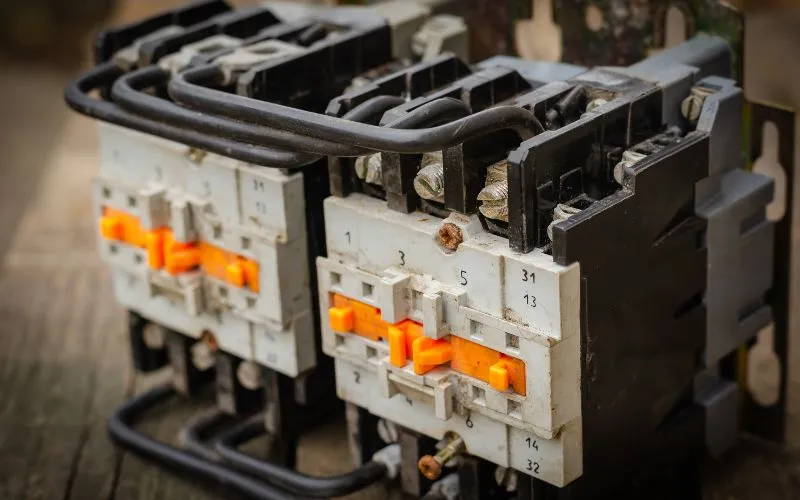
Now that we’ve established the importance of a 3-point starter, let’s delve into the steps for using it effectively in motor control.
Step 1: Inspection and Safety Precautions
Before using a 3-point starter, it’s crucial to inspect the equipment thoroughly. Check for any signs of wear and tear, loose connections, or damaged components. Ensure all safety measures, including proper grounding and circuit protection devices, are in place.
Step 2: Power Supply Connection
Connect the supply terminal of the 3-point starter to the power source. This provides the initial power to the circuit. Make sure to follow the manufacturer’s guidelines for voltage and current ratings.
Step 3: Armature and Field Terminals
Connect the armature terminal to the armature winding of the DC motor and the field terminal to the field winding. These connections are essential for the motor to operate.
Step 4: Adjusting Resistance
The key to controlling the motor’s speed lies in adjusting the resistance. Most 3-point starters have a rheostat or series of resistors that can be manually adjusted. Start with a high resistance setting and gradually decrease it to increase the motor’s speed.
Step 5: Start and Stop
To start the motor, gradually decrease the resistance until the motor begins to rotate. To stop it, increase the resistance back to a high level. This simple adjustment can control the motor’s speed effectively.
Step 6: Direction Control
To change the motor’s direction, reverse the polarity of either the armature or field winding. This is typically done using a reversing switch or relay connected to the 3-point starter.
Additional Considerations for 3-Point Starter Users
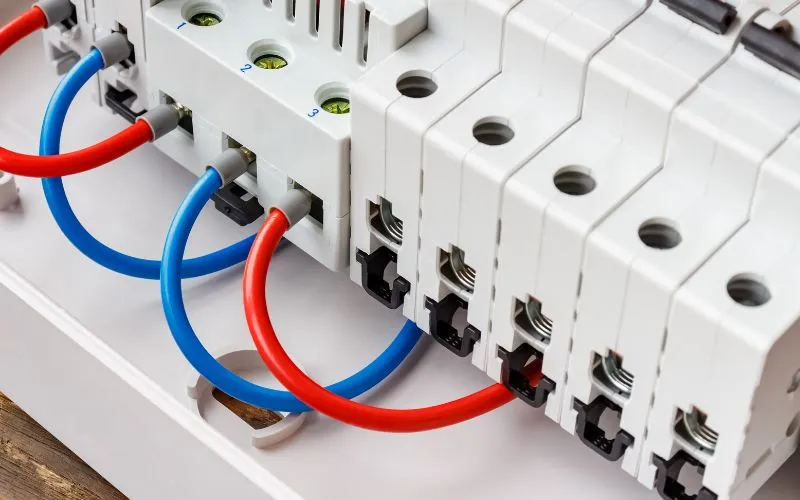
While we have covered the basics of using a 3-point starter for motor control, a few additional considerations can enhance your understanding and proficiency in working with this device.
Maintenance and Inspection
Regular maintenance and inspection are essential for the reliable operation of a 3-point starter and the motors it controls. Here are some maintenance tips:
- Check for loose connections and tighten them if necessary.
- Inspect the resistors for signs of overheating or damage and replace them if needed.
- Lubricate any moving parts to prevent friction and wear.
- Keep the starter and surrounding area clean and free from dust and debris.
Upgrading to Modern Motor Control Solutions
While 3-point starters have been a reliable choice for many years, modern motor control solutions offer several advantages:
- Energy Efficiency: Electronic motor controllers like VFDs can significantly improve energy efficiency by adjusting motor speed to match the load, reducing energy consumption and operational costs.
- Precise Control: VFDs control motor speed and torque, allowing for smoother and more accurate operation.
- Advanced Features: Modern controllers often come with advanced features such as fault detection, remote monitoring, and data logging, which can improve maintenance and troubleshooting.
Troubleshooting Common Issues
Even with proper maintenance, issues may occasionally arise. Here are some common problems you might encounter when using a 3-point starter:
- Motor Fails to Start: If the motor doesn’t start, check for loose connections, damaged resistors, or an open circuit. Ensure that the supply voltage is within the motor’s specifications.
- Motor Overheating: Overheating can occur due to excessive current or poor ventilation. Check for blocked airflow, worn-out brushes, or excessive load on the motor.
- Inconsistent Speed Control: If you experience inconsistent speed control, inspect the rheostat or resistors for damage or wear. Clean the contacts to ensure a reliable connection.
- Safety Concerns: Always prioritize safety when using a 3-point starter. Be cautious when making adjustments, and ensure that all safety interlocks and protection devices are in place and functioning correctly.
Conclusion
In conclusion, understanding how to use a 3-point starter for motor control is essential for anyone working with DC motors. These devices have been a reliable choice for motor control for many years, offering speed, direction control, and overload protection. By following the steps outlined in this guide and considering maintenance and modern alternatives, you can ensure your motor control systems’ efficient and safe operation.
While 3-point starters are valuable in many applications, exploring modern motor control solutions like VFDs can improve performance, energy efficiency, and advanced features for your motor-driven systems. Stay informed about the latest advancements in motor control technology to make informed decisions for your specific needs.
FAQs
1. Can I use a 3-point starter with any motor?
While 3-point starters are primarily designed for DC motors, they are unsuitable for AC motors. AC motors require different starters, such as direct-on-line (DOL) or star-delta starters, depending on their configuration.
2. What safety precautions should I take when using a 3-point starter?
Safety is paramount when working with electrical equipment. Always wear appropriate personal protective equipment (PPE), follow the manufacturer’s instructions, and ensure proper grounding and circuit protection to prevent electrical accidents.
3. Are there any modern alternatives to 3-point starters?
With technological advancements, electronic motor controllers such as variable frequency drives (VFDs) are becoming increasingly popular for motor control. They offer precise speed control, energy efficiency, and advanced features compared to traditional 3-point starters.