Common Problems With Relays: Troubleshooting Tips & Fixes
When dealing with relays, you often encounter issues that can disrupt electrical systems. Humidity and dust may lead to corrosion and wear, while pushing relays past their limits can cause overheating. Have you ever noticed flickering lights or heard strange clicks? These might be signs of trouble. But don’t worry, regular maintenance can help. Curious about how to spot and prevent these problems? There’s a lot more to reflect upon.
Key Takeaways
- Overloading relays can lead to coil burnout and contact welding due to excessive voltage or current.
- Environmental factors such as humidity, dust, and vibration can cause relay corrosion and mechanical wear.
- Faulty relays may result in unresponsive systems, flickering lights, or inconsistent device operation.
- Clicking sounds during relay activation often indicate internal contact issues or misalignment.
- Regular inspection and maintenance are crucial for preventing unexpected relay failures and extending the lifespan.
Environmental Factors Affecting Relay Performance
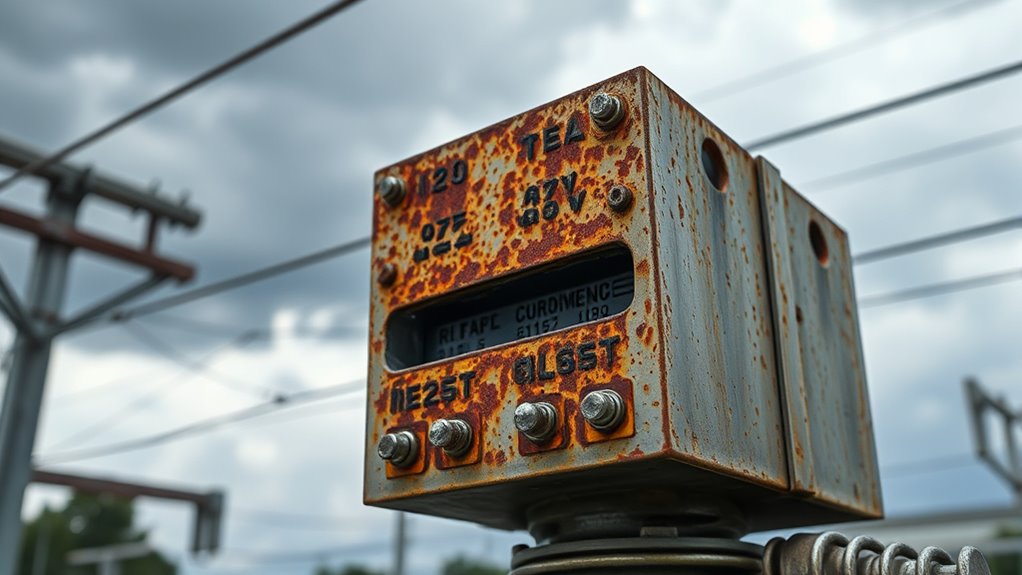
When it comes to relay performance, environmental factors play a crucial role in determining the reliability and longevity of relays.
Humidity and moisture can lead to corrosion, which can severely impact the function of relays over time. High temperatures may cause overheating, damage components, and lead to premature failures. Dust and contaminants are also culprits, interfering with operation and potentially causing mechanical wear, increased noise, or contact failure.
Vibration and shock exposure can result in mechanical stress, leading to misalignment or jamming.
To combat these challenges, relay manufacturers emphasize the importance of selecting relays rated for specific environmental conditions. By choosing the suitable relays for your particular climate, you can prevent significant performance degradation.
Always consider these environmental factors to guarantee peak relay function and durability.
Overloading and Power Rating Exceedance
Although often overlooked, adhering to a relay’s power ratings is essential to maintaining its functionality and longevity.
Overloading occurs when the relay is subjected to a voltage or current beyond its rated specifications, risking burnout of the coil or contacts. Exceeding the power rating can lead to excessive current draw, generating heat, and causing contact welding or overheating. This results in relay failures and shortened lifespan.
To prevent such issues, ensure your control circuit is properly sized and that our relays align with the expected load conditions. Ignoring these factors can lead to:
- Unexpected equipment downtime
- Increased maintenance costs
- Frustration from frequent relay replacements
- Potential safety hazards
Symptoms of Faulty Relays
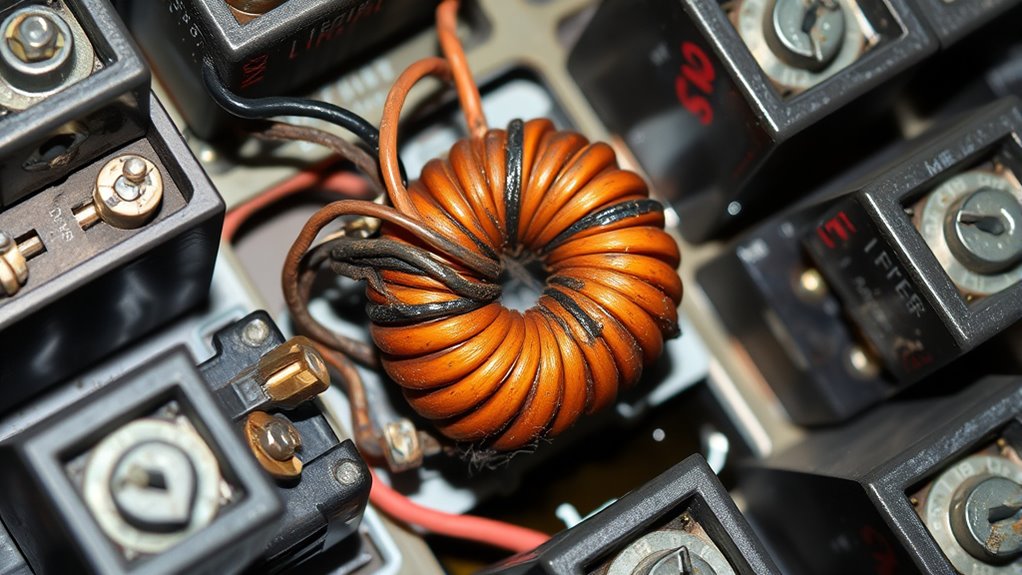
After ensuring your relay is properly rated to avoid overloading, it’s important to recognize the symptoms of a faulty relay. Unresponsive electrical systems often indicate relay failure, leading to sudden or sluggish performance in connected devices. Intermittent power issues, such as flickering lights or sporadic device operation, can indicate a malfunctioning relay that affects consistent power delivery. A clicking sound when starting vehicles or activating home systems is a common symptom of relay failure, often linked to contact issues within the relay. Inconsistent operation of devices, where they may operate erratically or not at all, can suggest that the relay isn’t functioning properly. Visual signs of damage, such as corrosion or overheating, also indicate potential relay failure.
| Symptom | Cause | Indicator |
|---|---|---|
| Unresponsive systems | Faulty relay | Sluggish devices |
| Flickering lights | Contact issues | Intermittent power |
| Visual signs of damage | Physical wear | Corrosion, heat |
Maintenance Practices for Relay Reliability
To keep your relays running smoothly, establish a regular inspection protocol to catch any signs of wear or damage early.
Pair this with a proactive replacement strategy for older relays to avoid unexpected failures.
Regular Inspection Protocols
Regular inspection protocols are essential for maintaining relay reliability and ensuring system longevity. By conducting regular maintenance, you can catch faulty relays early, preventing costly downtime.
Look for signs of wear, corrosion, or overheating in mechanical relays, which might indicate high contact resistance and potential failure. Pay attention to environmental conditions; dust and moisture can accelerate deterioration and cause electrical malfunctions. Keep relays clean and dry.
Follow the manufacturer’s maintenance schedule for cleaning, adjusting, or lubricating relays. Check wiring and connections for secure, clean contacts to reduce the risk of connectivity issues.
- Prevent unexpected system failures by identifying and resolving issues promptly.
- Save money with predictable maintenance instead of costly emergencies.
- Protect your investment through consistent care.
- Ensure safety by preventing electrical malfunctions.
Proactive Replacement Strategies
While regular inspections help maintain relay reliability, taking a proactive approach to replacing relays is equally important for avoiding unexpected system failures.
Implement proactive replacement strategies by swapping out relays near the end of their rated life or those showing signs of mechanical wear. Select the correct relay for the application to prevent issues caused by manufacturing defects or improper specifications.
Maintain a detailed log of relay usage and inspections, allowing you to track performance and preemptively identify when replacements are necessary. Follow the manufacturer’s guidelines for replacement schedules, taking into account environmental conditions and relay specifications.
Additionally, train your team on proper relay handling and installation techniques to minimize damage risks, ensuring your system remains reliable and efficient.
Identifying and Testing Defective Relays

How can you quickly and accurately identify defective relays? Utilize tools like eBIRST to measure path resistance between pins, effectively detecting failures in switching products.
Remember, a relay requires a minimum operating voltage and current, especially when dealing with inductive loads. Testing with a Digital Multimeter (DMM) helps, but be cautious with high current relays; verify they meet the required minimum operating current to avoid misleading resistance readings.
Frequent use can cause contact surface films, which can affect testing accuracy. Always reference the manufacturer’s minimum load data for a reliable assessment of the equipment’s performance.
- Neglecting minimum operating requirements can lead to inaccurate results.
- Overlooking contact films can lead to undetected failures.
- Inadequate testing tools result in unreliable diagnostics.
- Ignoring load conditions shortens relay lifespan.
Strategies to Prevent Common Relay Failures
Having identified and tested defective relays, focus on strategies to prevent these common failures. Start by selecting relays that are correctly rated for voltage, current, and environmental conditions. This prevents excessive wear and premature failures.
Ascertain proper wiring with secure, clean connections to minimize electrical faults and overheating risks. Regular inspections help identify signs of wear, corrosion, or damage, allowing you to replace relays before they fail, thereby preventing potential issues.
Protect relays from environmental threats, such as moisture, dust, and extreme temperatures, to prevent degradation. Follow the manufacturer’s maintenance schedules and practices, including regular cleaning and lubrication, to optimize relay performance and extend its longevity.
Conclusion
To ensure our relays function reliably, pay close attention to environmental factors such as humidity and dust, which can cause corrosion and wear. Avoid overloading relays beyond their power ratings to prevent overheating and contact welding. Watch for signs like unresponsive systems, flickering lights, and odd clicking sounds. Regular maintenance and inspections are essential. Identify and test any defective relays promptly, and implement strategies to prevent failures. By doing so, you’ll maintain a smooth and efficient electrical system.
FAQs
1. What Are the Common Faults of Relays?
You’ll often find relay faults, such as overheating, contact welding, coil failures due to insulation damage, and mechanical wear. Environmental factors, corrosion, and insufficient contact pressure also contribute to failures, which affect reliability and cause intermittent or complete operational issues.
2. What Are the Symptoms of a Bad Relay?
You’ll notice symptoms of a bad relay through unresponsive systems, flickering lights, or clicking sounds. Devices may act erratically, and visible damage, such as corrosion or burnt contacts, suggests an immediate inspection to prevent further issues.
3. Which Part of the Relay Causes the Most Trouble?
You’re wondering which part of the relay causes the most trouble. The coil often fails due to insulation damage from temperature changes, moisture, or overvoltage. Keep an eye on it to prevent relay issues.
4. What Would Cause a Relay to Not Work?
You may find that a relay is not working due to excessive voltage or current, mechanical wear, moisture-induced corrosion, or poor contact pressure. Check for improper wiring or incorrect voltage connections to prevent immediate relay malfunction.