A Guide to PMDC Motor: Features, Advantages, and Applications
PMDC Motor, or Permanent Magnet Direct Current motor, is a compact powerhouse known for its reliability. Harnessing the ever-present forces of permanent magnets, they eliminate the need for a separate field winding, adding to their efficiency. Interestingly, they use Lorentz force to operate, generating a mechanical force from the interaction between magnetic fields and electric currents flowing through the motor’s components. Once you understand this principle, you’re on your way to knowing why PMDC motors are essential in industries ranging from automotive to domestic appliances.
PMDC (Permanent Magnet Direct Current) motors are known for their exceptional starting torque, reliability, and compact size due to the integration of permanent magnets in the stator. These motors are commonly used in applications requiring high starting torque and precise speed control, making them ideal for automotive, industrial automation, and robotics industries.
PMDC Motor Overview
Imagine a motor that doesn’t require big, clunky field windings. This motor is called a Permanent Magnet Direct Current (PMDC) motor and does something amazing. It uses powerful permanent magnets in the stator instead of field windings to create a magnetic field. This special design makes PMDC motors compact, cost-effective, and capable of providing high starting torque.
Additionally, consider a device that needs to start moving as soon as you push the power button. The strength of this initial movement, known as high starting torque, is crucial in various machines and devices. For instance, PMDC motors are commonly used in automotive applications like power windows, seats, and mirrors because they need to work instantly when buttons are pressed. Household appliances like blenders or mixers start working immediately when switched on—the high starting torque at play.
Furthermore, these motors have a wide range of speeds, allowing them to be used in devices with different speed requirements.
So now you see how PMDC motors are not just special because they don’t need field winding but also because they’re compact, reliable, and ready to start with high torque—an ideal solution for all kinds of applications.
Having examined these aspects of PMDC motors, let’s now explore the inner workings of these motors and their power source, shedding light on their operation and energy supply.
Working of a PMDC Motor and Its Power Source
Imagine walking into a room where everything is silent, only to have your ears filled with the sound of a machine coming to life. That’s the magical thing about DC motors. They spring into action practically instantly when connected to a power source. Let’s peel back the layers and understand how these motors work.
Magnetic Fields and Electrical Current
A PMDC motor’s core is the interaction between magnetic fields and electrical current. Direct current (DC) electricity flows through the wire wound around the rotor, creating an electromagnetic force. Thanks to this force, the rotor starts spinning. It’s like watching a magnet repel or attract another magnet, but in this case, it happens continuously.
Fleming’s Left-Hand Rule in Action
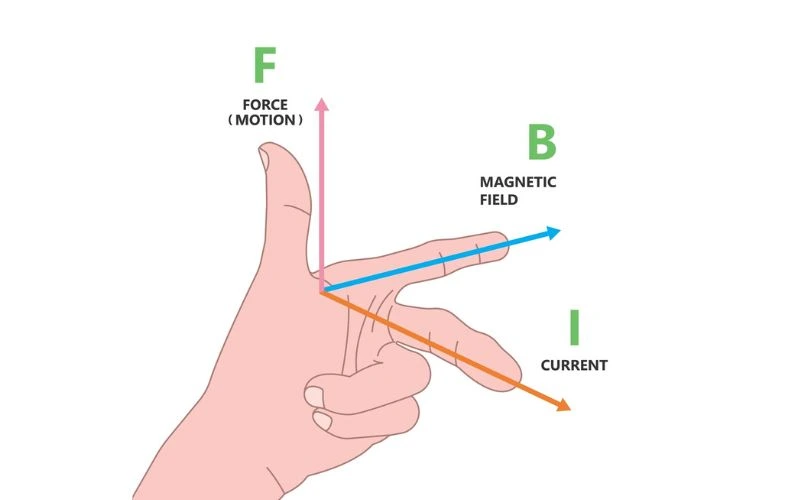
This process is hinged on Fleming’s left-hand rule – a fascinating mechanic that wouldn’t be out of place in a detective novel. The principle states that when you hold up your left hand so that each finger points in different directions—thumb upward, forefinger pointing one way, and middle finger sticking out in another direction—the direction your fingers are pointing signifies the direction of the magnetic field (thumb), current (forefinger), and force (middle finger). It’s a practical and memorable way to understand how forces in magnetic fields behave.
Power Source
As for its power source, PMDC motors run directly off DC electricity supplied through brushes and a commutator. The commutator ensures that the current flows continuously through the motor windings, maintaining an uninterrupted rotational movement.
Unidirectional Flow for Smooth Operation
This seamless unidirectional flow is vital as it keeps the motor running smoothly without interruptions. It’s like having a clear path to travel on – no traffic jams! And that’s why PMDC motors are great for applications that need continuous, reliable motion.
Applications in Everyday Devices
So when you turn on any appliance with a PMDC motor – think toys or small household machines – you’re looking at something operating with an internal setup that allows it to start spinning promptly with minimal noise.
In understanding these inner workings, you can grasp why they’re relied upon for various uses where efficiency, reliability, and quiet operation are key factors. The next time you pick up your electric toy car or switch on an appliance at home, you’ll know what makes its motion possible.
In our technological age, PMDC motors quietly power many devices around us while following these simple guiding principles that keep them running smoothly for years.
Armature and Field Construction in PMDC Motor
The armature is akin to the heart of a PMDC motor. It consists of a cylindrical iron core surrounded by insulated copper coils intricately wound around it. This assembly forms the moving part of the motor and is crucial for generating electromagnetic forces when electric current flows through it.
- The number of windings
- The gauge of the wire
- Coil connections
These factors play a significant role in determining the motor’s performance, speed, and torque.
Field Assembly
On the other hand, the field assembly makes up the motor’s stator and comprises the permanent magnets. These magnets can be ceramic or rare-earth magnets, each catering to specific performance requirements.
Interaction Between Armature and Field
The interaction between the armature and field components is where all the magic happens! When electric current from the power source flows through the armature, it generates a magnetic field that interacts with the fixed magnetic field produced by the stationary magnets on the stator. This mutual interaction creates rotational motion, providing the driving torque essential for motor operation.
- Mutual interaction of magnetic fields
- Generation of rotational motion
- Driving torque for motor operation
Invisible Ballet of Magnetic Fields
Understanding this intricate dance of magnetic fields is akin to witnessing an invisible ballet—each component playing its part to perfection. This symphony of forces inside the motor provides the muscle necessary to drive various applications in our everyday lives.
Tug-of-War: Forces at Play
Imagine this interaction as a tug-of-war competition between two equally strong teams. The armature’s electromagnetic field pulls against the fixed field created by the magnets on the stator. As these forces duel within the motor, they produce motion—a harmonious balance achieved through careful engineering and meticulous design.
- Tug-of-war analogy
- Dueling forces within the motor
- Production of motion and balance
Think of it as a graceful dance between partners—each component understands its role in creating an elegant yet powerful performance.
The Key to PMDC Motor Potential
Navigating this delicate interplay requires a careful understanding of both electrical and mechanical engineering—the key to unlocking the full potential of a PMDC motor.
Exploring the intricate dance of magnetic fields within PMDC motor construction reveals how this precise engineering contributes to their impressive performance and versatility across numerous applications.
Characteristics of PMDC Motors

PMDC motors possess distinct characteristics that make them stand out from other electric motors. Perhaps the most prominent feature of PMDC motors is their high starting torque. Imagine requiring a motor that can quickly get something moving from a standstill – PMDC motors are perfect for this task. Whether it’s powering tools, conveyors, or industrial automation equipment, PMDC motors rev up quickly and efficiently, making them indispensable in applications requiring rapid acceleration.
Additionally, their compact size adds to their appeal. In today’s world, where space is at a premium, the smaller footprint of PMDC motors makes them an ideal choice for applications where size constraints are a concern. From medical devices and robotics to automotive systems and home appliances, their ability to deliver robust performance within a small frame is highly valued.
Moreover, cost-effectiveness is another noteworthy characteristic of PMDC motors. Not only are they affordable to procure, but they also tend to have lower maintenance costs owing to the absence of brushes in their design. This makes them budget-friendly at the point of purchase and less demanding on resources for upkeep over the long term.
Regarding speed control, PMDC motors offer exceptional precision and smoothness. They provide variable speed control with relative ease, offering engineers and designers a great deal of flexibility in matching motor speed to specific application requirements. This makes them suitable for tasks requiring precise speed regulation, such as medical instruments and conveyor systems where maintaining consistent speeds is crucial.
In summary, the characteristics of PMDC motors make them incredibly versatile and adaptable for a wide range of applications. Their high starting torque, compact size, cost-effectiveness, and ability to provide precise speed control make them an attractive choice for industries ranging from healthcare and manufacturing to automotive and consumer electronics.
Relationship of Current, Voltage, Speed, and Torque in PMDC Motor
Understanding the relationship between current, voltage, speed, and torque is crucial in comprehending the behavior of PMDC motors.
Voltage Control for Speed and Torque
- Voltage plays a key role in controlling speed and torque in PMDC motors.
- Motor speed and torque increase as the applied voltage increases.
- Adjusting the voltage allows for customization of speed and torque output for specific applications or operational requirements.
Versatility with Adjustable Characteristics
- Direct proportionality empowers PMDC motors to offer adjustable speed and torque characteristics.
- Comparable to a car with variable transmission, enhancing voltage mimics pressing down on the gas pedal, increasing speed and power output.
- PMDC motors are versatile for applications demanding precise speed control and variable torque outputs.
Current Drawn and Mechanical Load Dynamics
- The current the motor draws is primarily determined by the mechanical load it encounters during operation.
- Heavier mechanical loads require more current to maintain rotational motion.
- PMDC motors dynamically respond to environmental changes, adapting energy consumption based on real-time demands.
Resilience Against Load Fluctuations
- PMDC motors remain resilient against load fluctuations.
- Consistent performance is ensured even under varying operational conditions.
- It is advantageous for engineers and designers to craft systems that necessitate adaptable speed and precision control over torque.
Application Example: Electric Drill
- An electric drill equipped with PMDC motor benefits from seamless shifting between low-speed high-torque and higher-speed operations.
- Modulating the voltage input allows for versatile performance tailored to different materials.
Insight into Versatility and Dynamic Response
- Insight into the remarkable versatility and dynamic response capabilities of PMDC motors is gained by understanding how current, voltage, speed, and torque interplay.
- This knowledge is invaluable in harnessing the full potential of PMDC motors across various applications.
With an understanding of the fundamental aspects of PMDC motors, the exploration delves into the world of customizing PMDC motors to meet specific industrial needs.
Customizing PMDC Motor
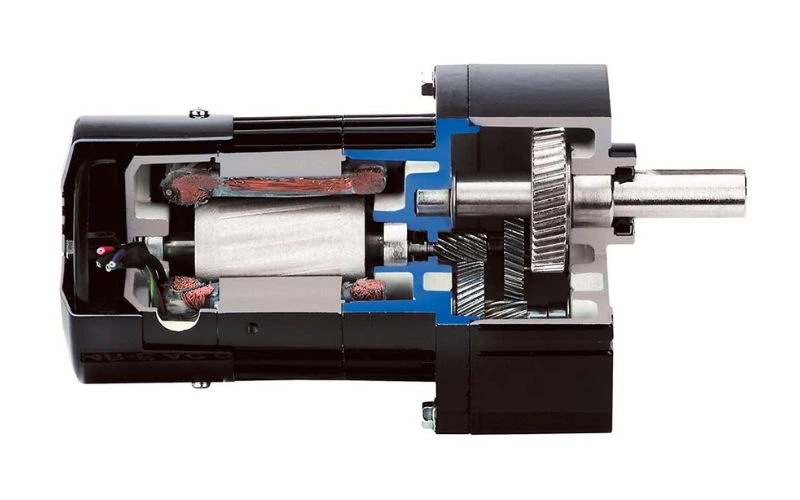
Customization is often the key to finding the perfect PMDC motor. Sometimes, off-the-shelf options won’t cut for unique projects or specialized applications. Customizing a PMDC motor allows you to tailor it to your needs, ensuring it meets all your performance, size, and functionality requirements.
Shaft Design
Shaft design is one of the most crucial aspects of customizing a PMDC motor. The shaft’s size and shape can be customized to fit perfectly with other components in your system.
Output Flanges
Furthermore, output flange options are another important consideration when customizing a PMDC motor. Different applications may require different mounting options, and customized output flanges ensure the motor can seamlessly integrate into your specific setup.
Optimizing Cable Length
The length of the cable is also an important factor to consider when customizing a PMDC motor. It’s essential to optimize the cable length for your application, allowing for easy and efficient installation without unnecessary excess cable.
Additional Components
Brakes and encoders are additional components that can be incorporated into a customized PMDC motor. These additions can provide precise control and safety features necessary for certain applications, enhancing the motor’s overall performance and functionality.
Custom Paint Finishes
Custom paint finishes can help protect the motor from environmental factors and ensure it fits seamlessly into your equipment or machinery.
Fully Customized Solutions
In addition to these customizable features, fully customized solutions can further integrate other drive system components to create a cohesive and optimized setup that aligns perfectly with your project’s unique requirements.
For example, you’re working on a specialized robotics project requiring a compact yet powerful PMDC motor with specific mounting, wiring, and control options. Off-the-shelf motors might not offer the precise combination of features you need. By customizing a PMDC motor, you can create a tailored solution that fits seamlessly into your robotic system, ensuring optimal performance and efficiency.
Precision and Versatility in Customization
Customizing PMDC motors allows for precision and versatility that off-the-shelf options cannot match. You can ensure your project operates at its best by tailoring every aspect of the motor to align with your specific application requirements—integrating brakes and encoders or selecting the ideal paint finish.
With a thorough understanding of how customizing PMDC motors elevates performance to unprecedented levels, let’s now explore the various applications where these meticulously tailored motors shine brightest.
Applications of PMDC Motors
PMDC (Permanent Magnet Direct Current) motors are like the Swiss Army knives of the motor world. They’re incredibly versatile and have various uses across various industries and systems. Let’s delve into some of the most common applications and understand why PMDC motors are the go-to choice for these specific needs.
Automotive Systems
PMDC motors power electric windows, mirrors, seats, windshield wipers, and cooling fans in automotive systems. Their compact design and reliable performance make them ideal for these applications. Additionally, their ability to deliver high torque at startup is particularly useful in automotive applications where quick, reliable operations are essential for safety and convenience.
Conveyor Systems
Conveyor systems in manufacturing and industrial settings rely on PMDC motors for smooth and efficient material handling. The precise speed regulation capability of PMDC motors ensures consistent movement of products along the conveyor belts. Their controllability also allows seamless integration with automation systems, optimizing workflow and productivity.
Industrial Automation
PMDC motors are critical in industrial automation, powering various machinery and equipment. Their ability to maintain steady speeds and deliver high torque makes them suitable for precision drilling, milling, cutting, and positioning in manufacturing processes. They are also used in assembly line operations where synchronized movements are essential for efficiency.
Packaging Equipment
The reliability, controllability, and compact size of PMDC motors make them valuable components in packaging equipment. They are commonly found in packaging machinery for filling, sealing, labeling, and capping tasks. Their precise speed control ensures accuracy during these operations, contributing to consistent product quality and packaging efficiency.
Medical Devices
In the medical field, PMDC motors are extensively used in various devices such as infusion pumps, medical imaging systems, surgical tools, and laboratory equipment. The controllability and high torque characteristics of PMDC motors are crucial for precise movements and adjustments required in medical devices, ensuring accurate diagnostics and treatments.
Power Tools
Power tools rely on the robust performance of PMDC motors to deliver the necessary power and speed for various applications such as drilling, grinding, sawing, and sanding. The high torque output of PMDC motors enables power tools to handle demanding tasks while maintaining consistent performance under load.
It’s fascinating to see how PMDC motors seamlessly integrate into various applications, from automotive systems to medical devices, highlighting their adaptability and reliability across diverse industries. Whether providing efficient power for industrial automation or ensuring precision in medical equipment, PMDC motors continue to drive innovation and productivity across various sectors.
As we’ve seen the myriad applications of PMDC motors across different industries, let’s explore how they stack up against other electrical motors regarding features and functionality.
PMDC Motor Vs. Other Electrical Motors: A Comparison
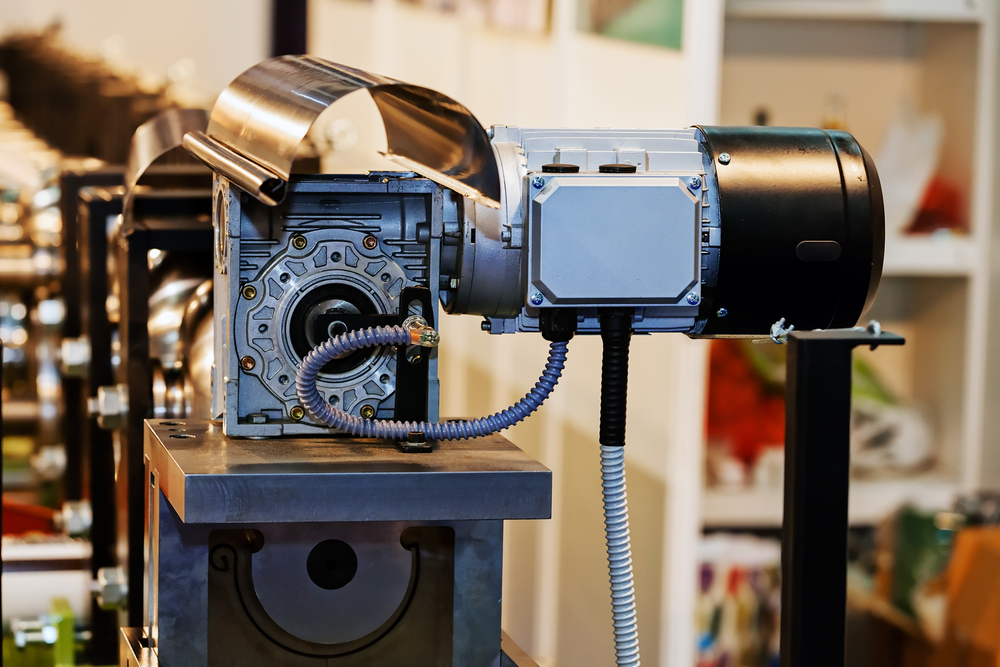
When selecting the right motor for a specific application, understanding how different types of motors compare is crucial. Let’s closely examine how PMDC motors stack against two commonly used electrical motors: induction motors and brushed DC motors.
Induction Motors
Induction motors are widely used in industrial settings for their reliability and sturdy construction. However, when it comes to size and speed control, they have limitations. Unlike PMDC motors, induction motors have constraints in variable speed regulation. They also tend to be larger and less compact, making them less ideal for applications with limited space.
Brushed DC Motors
Conversely, brushed DC motors share similarities with PMDC motors, such as their capability to provide high starting torque and simple construction. However, brushed DC motors require regular maintenance because brushes and commutators wear out over time, resulting in higher maintenance costs than PMDC motors. Additionally, they are typically larger than PMDC motors, making them less desirable for space-restricted applications.
Furthermore, PMDC motors present distinct advantages in cost-effectiveness and variable speed control. Their compact size makes them suitable for space-constrained applications. With their high starting torque capability and robust construction, PMDC motors provide an efficient solution for precise speed control and reliability scenarios.
In summary, while each type of motor has its advantages and drawbacks, PMDC motors offer a compelling combination of compact size, high starting torque, cost-effectiveness, simple construction, and variable speed control. This feature is increasingly sought after in modern industrial and consumer applications.
With a solid understanding of how PMDC motors compare to other motor types, let’s focus on the specific advantages that PMDC motors hold over other competing motor varieties.
Advantages of PMDC Motors over Other Motor Types
When choosing a motor for various applications, the Permanent Magnet DC (PMDC) motors offer distinct advantages that set them apart from other types. Let’s delve into these unique benefits:
Compact Size
One notable advantage of PMDC motors is their compact size. This makes them an ideal choice when space is premium, especially in smaller devices where every inch matters. Their small footprint enables manufacturers to seamlessly integrate these motors into compact systems without sacrificing performance or power output. Due to common space constraints, industries such as robotics and medical devices benefit greatly from this feature.
High Starting Torque
Another significant advantage of PMDC motors is their high starting torque. This means they can generate a substantial amount of torque as soon as they start, making them well-suited for applications requiring quick acceleration or heavy starting loads. For instance, in automotive applications, this high starting torque is crucial for powering various systems such as power windows, windshield wipers, and cooling fans efficiently.
Ease of Speed Control
PMDC motors offer excellent speed control, allowing operators to adjust their speed smoothly and precisely according to specific requirements. The ability to precisely control motor speed is vital in applications such as conveyor systems, where varying line speeds are necessary for different production stages. In addition, this feature provides flexibility and adaptability in automation processes, contributing to enhanced operational efficiency across diverse industrial sectors.
Low Maintenance Requirements
PMDC motors have low maintenance requirements compared to other motor types, making them cost-effective solutions over their operational lifespan. Their simple and robust design minimizes the need for frequent maintenance interventions, reducing downtime and operational disruptions. With regular inspection and minimal upkeep, PMDC motors can deliver consistent performance over extended periods, making them an attractive choice in industries where reliability is paramount.
Cost-Effective and Efficient Power Conversion
In addition to their compact size and performance capabilities, PMDC motors offer efficient power conversion, resulting in cost-effective operation over the long term. Their high efficiency contributes to lower energy consumption, reducing operational costs for industrial and automotive applications. Their efficient power conversion enhances overall system performance, enabling smoother operation and improved productivity.
Overall, the unique advantages of PMDC motors underscore their versatility and suitability for various industrial and automotive applications. They offer compact size, high starting torque, ease of speed control, low maintenance requirements, and efficient power conversion—all contributing to enhanced operational efficiency and cost-effectiveness.
For more information on PMDC motors and their applications, visit mytech-info.com. Harness the power of PMDC motors for your next project!