What is Triac: A Guide to the Three-Terminal AC Switch
In the dynamic landscape of electronics and electrical engineering, the Triac emerges as a pivotal component, influencing the efficient control of alternating current (AC). Short for “Triode for Alternating Current,” this semiconductor device, with its three terminals and bidirectional switch capabilities, plays a fundamental role in shaping the functionality of numerous electronic applications. As we unravel the layers of the Triac, we delve into its intricate structure, operational principles, and diverse applications that make it a cornerstone in the world of AC power regulation.
What is a Triac?
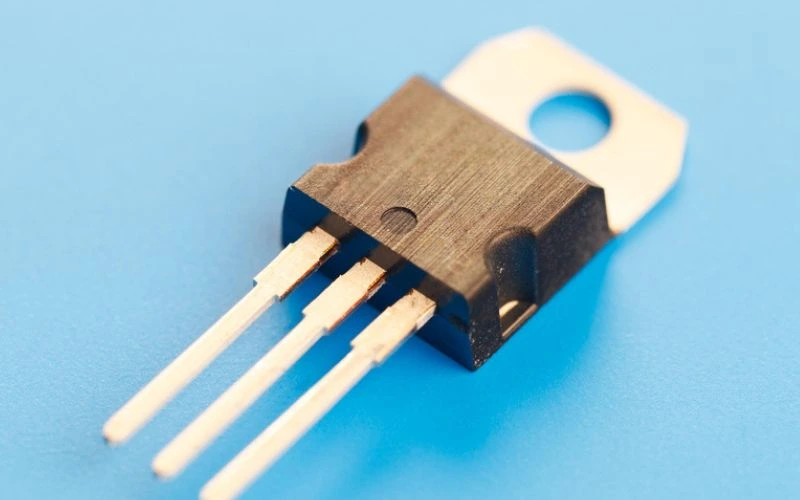
A Triac, short for “Triode for Alternating Current,” is a semiconductor device designed to control the flow of alternating current (AC). With three terminals – MT1 (Main Terminal 1), MT2 (Main Terminal 2), and the Gate – the Triac operates as a bidirectional switch, allowing current to flow in both directions when triggered. Its internal structure consists of two silicon-controlled rectifiers (SCRs) connected in parallel but opposite directions. The Triac’s versatility lies in its ability to regulate power in AC circuits, making it a fundamental component in various electronic applications. Triggered by a small current at the Gate terminal, the Triac facilitates precise control over power delivery, proving essential in applications such as lighting control, motor speed regulation, and heating systems.
The Structure of a Triac
Understanding the internal composition of a Triac is crucial to comprehend its functional capabilities. The Triac’s structure involves intricate layering and configuration, as outlined below.
Triac Construction
The Triac’s fundamental construction involves the integration of two silicon-controlled rectifiers (SCRs), each oriented in opposite directions. This dual SCR arrangement allows the Triac to control alternating current (AC) flow, making it a versatile component in electronic circuits.
Three-Terminal Configuration
A distinguishing feature of the Triac is its three-terminal configuration. The terminals, namely MT1 (Main Terminal 1), MT2 (Main Terminal 2), and the Gate, collectively contribute to the device’s functionality. MT1 and MT2 are the primary terminals for current conduction, while the Gate plays a pivotal role in triggering the Triac.
Layers and Regions
Internally, the Triac consists of three layers – P-type, N-type, and P-type, arranged in a P-N-P-N structure. The outer layers function as the primary terminals, whereas the inner layers form the gate structure. This layered composition facilitates bidirectional current flow, a key attribute that makes Triacs well-suited for AC applications. Understanding the intricacies of the Triac’s structure is crucial for comprehending its operational principles and applications in electronic systems.
How Does a Triac Work?
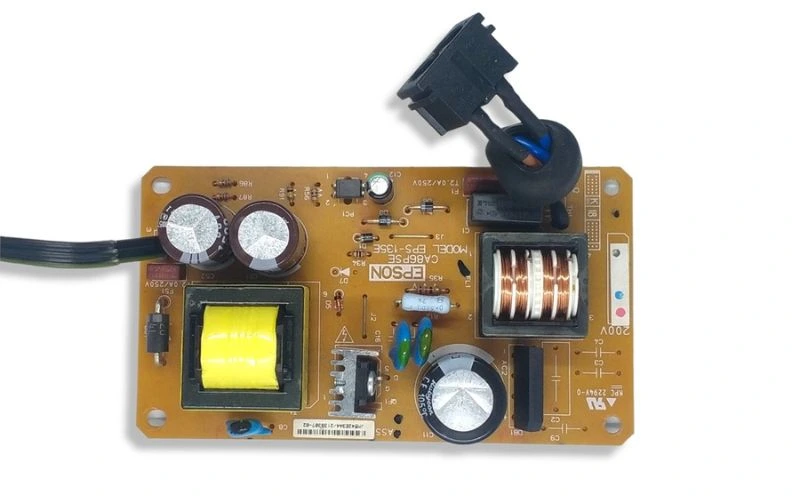
Understanding the operational principle of a Triac is essential for grasping its utility in AC circuits.
Triggering the Triac
The Triac operates on the principle of gate triggering. When a small current is applied to the gate terminal, it triggers the device, allowing current to flow between MT1 and MT2. The triggering can occur in either direction of the AC waveform.
Bidirectional Conductivity
Once triggered, the Triac conducts current in both directions until the current drops below a certain threshold. This bidirectional conductivity makes Triacs ideal for controlling power in AC circuits.
Phase Control
Triacs are often used with phase-locked loop (PLL) circuits to achieve phase control. This allows precise regulation of power delivery, making Triacs suitable for applications such as dimmer switches in lighting systems.
Applications of Triacs
Due to their versatility, Triacs are used extensively in various electronic devices and systems. Some notable applications include:
Lighting Control
Triacs are extensively used in lighting systems, especially in dimmer switches. The bidirectional conductivity of Triacs allows for smooth control over the intensity of lighting in residential, commercial, and industrial spaces. This application enhances energy efficiency and provides users with customizable lighting experiences.
Motor Speed Control
Triacs play a crucial role in regulating the speed of AC motors in motor control. By adjusting the power supplied to the motor, Triacs contribute to energy efficiency and allow for precise speed control. This application is pivotal in various industries, from manufacturing to home appliances.
Heating Systems
Triacs are employed in heating systems to modulate the power supplied to heating elements. This ensures precise temperature control in appliances such as ovens, electric stoves, and water heaters. The bidirectional conduction capability of Triacs is particularly useful in these applications where alternating current is prevalent.
Power Tools
Triacs are integrated into power tools for efficient control of their operation. From drills to saws, the ability to regulate the power input using Triacs enhances the performance and safety of these tools. This application is crucial in both industrial and consumer settings.
Fan Speed Control
Triacs are utilized in fan speed controllers, providing a means to adjust the speed of AC-powered fans. This application is prevalent in HVAC systems, computer cooling systems, and household fans. The ability to fine-tune fan speeds contributes to energy savings and optimal performance.
Appliance Control in Smart Homes
In the era of smart homes, Triacs play a role in controlling various appliances. Whether adjusting the speed of a smart fan or regulating the power to a connected appliance, Triacs contributes to the automation and efficiency of modern household systems.
Switching Power Supplies
Triacs are integrated into switching power supplies to regulate the AC input. This application is crucial in electronic devices ranging from computer power supplies to LED drivers, ensuring stable and controlled power delivery.
By diversifying its applications, Triacs have become indispensable in enhancing the functionality, energy efficiency, and precision control of numerous electronic devices and systems across different industries.
Importance of Triacs in Modern Electronics

The adoption of Triacs has significantly impacted the field of electronics, enhancing the efficiency and controllability of AC-powered devices.
- Energy Efficiency: Triacs contribute to energy efficiency in various applications by enabling precise control over power delivery and reducing power consumption and operational costs.
- Automation and Smart Systems: Triacs play a pivotal role in developing automation and smart systems, allowing for seamless integration and control of AC-powered devices in home and industrial settings.
- Versatility in Design: The versatility of Triacs makes them a preferred choice in the design of electronic circuits, providing engineers with a reliable and compact solution for AC power control.
Conclusion
In conclusion, the Triac is a testament to the evolution of semiconductor technology, proving to be an indispensable tool in AC power control. The Triac’s design intricacies empower engineers and designers to craft innovative solutions across industries, from its dual SCR structure to the tri-terminal configuration. As it continues to illuminate our homes, drive our motors, and regulate temperatures in our appliances, the Triac symbolizes the past achievements in electronics and the continued progress toward more efficient, versatile, and sophisticated applications in the future. Its bidirectional conductivity, versatility, and adaptability underscore its significance, ensuring that the Triac remains a cornerstone in the ever-expanding landscape of electronic engineering.
FAQs
How does a Triac differ from a thyristor?
While both Triacs and thyristors are semiconductor devices, Triacs are designed for bidirectional current control, allowing them to conduct in both directions. Thyristors, conversely, are unidirectional devices, conducting current in only one direction.
Can Triacs handle high-power applications?
Yes, Triacs are capable of handling high-power applications. Their bidirectional conductivity and ability to control AC power make them suitable for various high-power electronic devices and systems.
What are common challenges in Triac applications?
Common challenges in Triac applications include electromagnetic interference (EMI), heat dissipation, and proper phase control mechanisms. Engineers often address these challenges through careful circuit design and the incorporation of appropriate protective measures.