Unveiling the Power of Power Line Carrier Communication (PLCC)
In an era where connectivity is the lifeblood of progress, Power Line Carrier Communication (PLCC) emerges as a revolutionary force, intertwining the realms of power distribution and data transmission. At its essence, PLCC transforms the infrastructure that lights our cities and powers our homes into a conduit for seamless communication. This technology harnesses the vast network of power lines, converting them into dynamic pathways for swift and efficient data exchange. As we embark on a journey into the intricacies of PLCC, we unravel its multifaceted applications, unraveling a tapestry that intertwines cost-effectiveness, reliability, and adaptability in a world driven by the constant quest for connectivity solutions.
As industries continue to evolve and embrace the digital age, PLCC stands at the forefront, bridging the gap between traditional power grids and the demands of modern communication. This introduction serves as a gateway into the exploration of PLCC, offering a glimpse into the transformative potential of the harmonious integration of power infrastructure and data transmission, shaping the connectivity landscape in ways that were once deemed unimaginable.
What is PLCC?
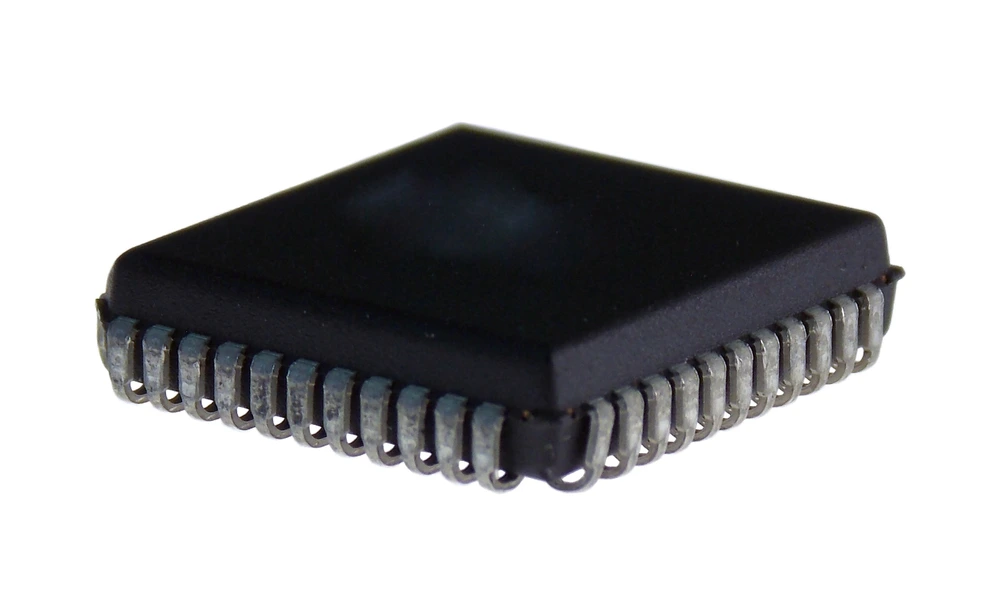
How Does PLCC Work?
PLCC involves modulating data onto high-frequency carrier signals, which are then injected into the power lines. These signals travel along the power lines, and at the destination, they are demodulated to extract the original data. The efficiency of PLCC lies in its ability to leverage existing power infrastructure, eliminating the need for separate communication lines.
Applications of PLCC
PLCC finds applications across various industries, enhancing communication and control systems.
Smart Grids
PLCC is crucial in developing smart grids, enabling real-time communication between electrical grid components. This facilitates efficient energy management, fault detection, and grid optimization.
Home Automation
In-home automation, PLCC allows for seamless communication between smart devices through the existing power lines. This eliminates the need for additional wiring, making it a cost-effective and practical solution.
Industrial Automation
PLCC is extensively used in industrial settings for process control and monitoring. It provides a reliable means of communication for control systems, ensuring the smooth operation of industrial processes.
Advantages of PLCC
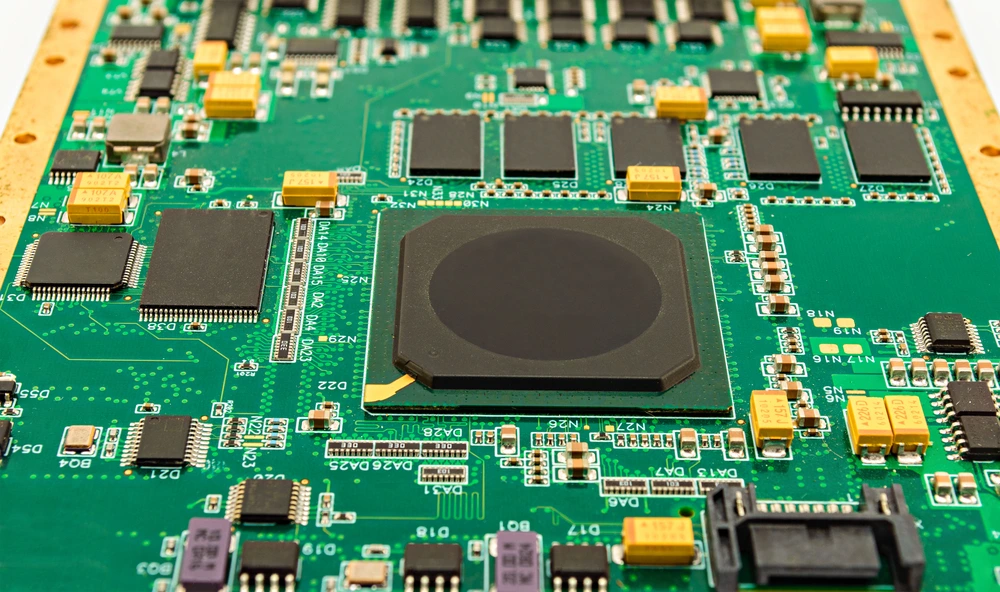
PLCC leverages existing infrastructure, reducing costs and ensuring robust and reliable communication, making it a cost-effective solution for various applications.
Utilization of Existing Infrastructure
One of the major advantages of PLCC is its ability to utilize the existing power infrastructure for communication. This reduces the need for additional wiring and infrastructure development, resulting in cost savings.
Robust Communication
Power lines offer a robust and reliable medium for data transmission. PLCC is less susceptible to interference and signal degradation than wireless communication methods, making it ideal for critical applications.
Cost-Effective Solution
Since PLCC leverages the power grid infrastructure, it is a cost-effective solution for establishing communication networks. The investment required to deploy PLCC is significantly lower than new communication lines.
Challenges in PLCC Implementation
Signal attenuation over long distances, interference from external sources, and bandwidth limitations pose challenges in PLCC implementation, necessitating careful consideration for optimal performance.
Signal Attenuation
One of the challenges in PLCC is signal attenuation, where the strength of the carrier signal weakens over long distances. This limitation necessitates the use of signal repeaters to maintain signal integrity.
Interference
External interference from various sources, such as electronic devices and radio frequency signals, can affect PLCC performance. Implementing effective filtering mechanisms is crucial to mitigate interference.
Bandwidth Limitations
PLCC may face bandwidth limitations compared to dedicated communication lines. This makes it essential to assess the application’s requirements carefully to ensure optimal performance.
Future Trends in PLCC

Integration with 5G
As the world transitions towards 5G connectivity, there is a growing trend of integrating PLCC with 5G networks. This convergence can potentially enhance communication capabilities and reliability in diverse environments.
Advanced Modulation Techniques
Ongoing research is focused on developing advanced modulation techniques for PLCC, aiming to increase data transfer rates and overcome existing limitations. These advancements are poised to open up new possibilities for PLCC applications.
Enhanced Security Measures
With the increasing importance of secure communication, the future of PLCC involves the implementation of advanced encryption and security measures. This ensures the integrity and confidentiality of transmitted data.