Unveiling the Wonders of DC Servo Motor in Modern Automation
In the ever-evolving landscape of industrial automation, DC servo motors have emerged as indispensable tools, pushing the boundaries of precision and efficiency. These electromechanical marvels, designed to convert electrical energy into precise mechanical motion, have found their place at the heart of robotic systems, aerospace applications, medical devices, and various manufacturing processes. This article embarks on an insightful journey into the workings, applications, and advantages of DC servo motor, unraveling the intricacies that make them a linchpin in cutting-edge technology.
What is a DC Servo Motor?
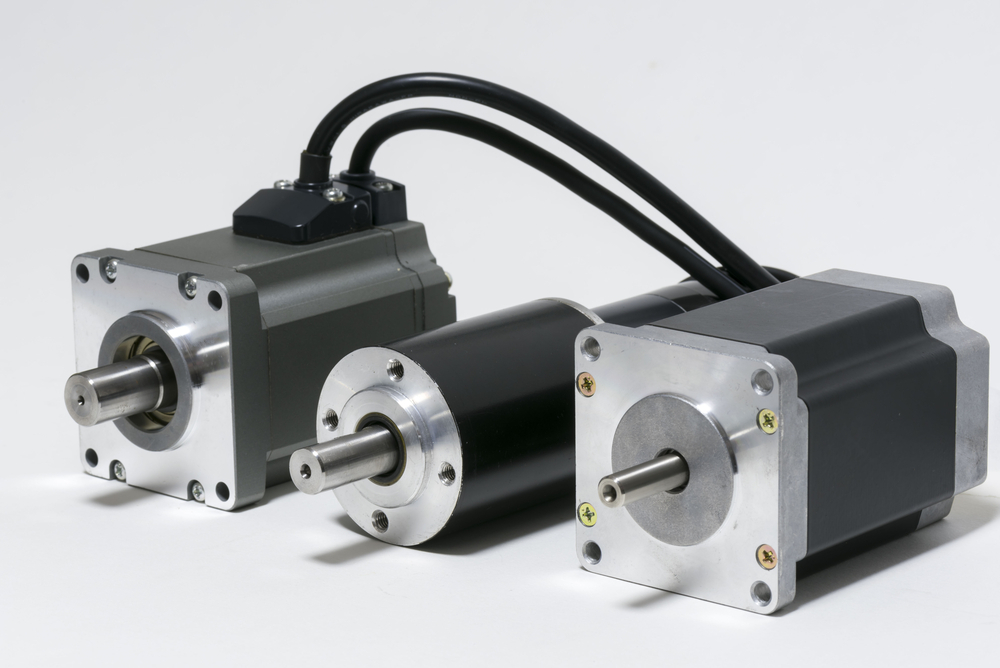
At its core, a DC servo motor is an electromechanical device designed to convert electrical energy into mechanical motion. Unlike standard DC motors, these motors incorporate feedback mechanisms to ensure precise control over speed, position, and torque. Integrating a feedback system, commonly an encoder, enables real-time adjustments, making DC servo motors ideal for applications demanding accuracy and responsiveness.
Key Components
- Rotor: The rotating part of the motor.
- Stator: The stationary part housing the rotor.
- Commutator: Responsible for reversing the current direction in the coil windings.
- Brushes: Conducting elements maintaining electrical contact with the commutator.
Working Principle of DC servo Motor
The working principle of a DC servo motor is rooted in the fundamental principles of electromagnetism. When an electrical current is applied to the motor, it flows through the coil windings in the stator, creating a magnetic field. This magnetic field interacts with the permanent magnets in the rotor, causing it to experience a force and subsequently rotate. What sets DC servo motors apart is incorporating a feedback mechanism, typically an encoder. This mechanism constantly monitors the position of the rotor in real time. As the rotor turns, the encoder provides feedback to the control system, allowing it to adjust the electrical input continuously. This closed-loop system ensures precise control over the motor’s speed, position, and torque. The feedback loop enables the DC servo motor to adapt swiftly to load or operating conditions changes, making it exceptionally well-suited for applications that demand high precision and responsiveness.
Applications Across Industries
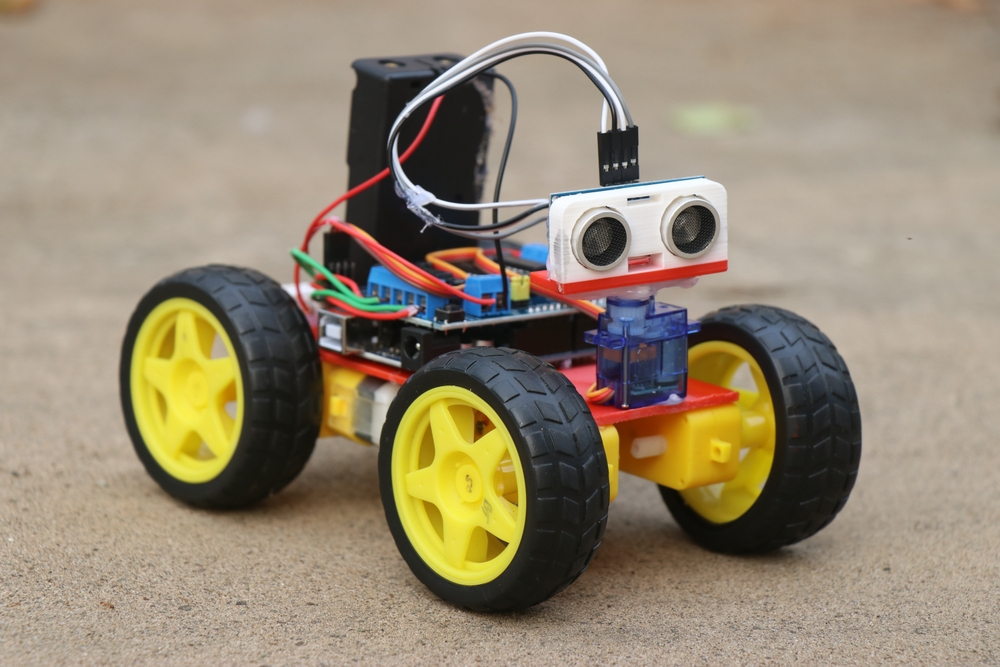
DC servo motors find applications in diverse industries owing to their versatility and precision. Below are some prominent sectors harnessing the power of these motors:
Robotics and Automation
DC servo motors are the backbone of robotic systems, ensuring precise movement control. From industrial robotic arms to automated guided vehicles (AGVs), the reliability and accuracy of DC servo motors are crucial for seamless operations.
Aerospace and Defense
In the aerospace sector, where precision and reliability are paramount, DC servo motors play a pivotal role. They are integral to navigation systems, unmanned aerial vehicles (UAVs), and satellite positioning mechanisms.
Medical Devices
The medical industry benefits from the precision DC servo motors offer in various devices, such as robotic surgical systems, infusion pumps, and diagnostic equipment. The ability to accurately control motion is vital in delicate medical procedures.
Manufacturing and CNC Machining
Manufacturing processes, particularly those involving Computer Numerical Control (CNC) machining, rely heavily on DC servo motors. These motors enable precise control over the movement of cutting tools, enhancing the efficiency and accuracy of production.
Advantages of DC Servo Motor
DC servo motors come with a host of advantages that contribute to their widespread adoption in various industries:
- Precision Control: The feedback mechanism ensures accurate control over speed, position, and torque, making them ideal for applications demanding precision.
- High Efficiency: DC servo motors exhibit high efficiency in converting electrical energy into mechanical motion, resulting in energy savings and reduced operational costs.
- Quick Response Time: Rapid response to changes in input signals allows DC servo motors to adapt swiftly to dynamic operational requirements.
- Compact Design: These motors are often more compact and lightweight than their counterparts, making them suitable for space-constrained applications.
Selecting the Right DC Servo Motor

Choosing the appropriate DC servo motor involves considering various factors:
- Torque Requirements: Assess the torque needed for the application, factoring in both continuous and peak torque.
- Speed and Acceleration: Determine the required speed and acceleration specifications to ensure optimal performance.
- Feedback System: Select an appropriate feedback mechanism (encoder, resolver, etc.) based on the precision requirements of the application.
- Environmental Considerations: Consider factors such as temperature, humidity, and dust levels in the operating environment to choose a motor with suitable protection.
Future Trends and Innovations
As technology evolves, so do DC servo motors. Emerging trends include:
- Integration with AI: AI algorithms enhance the adaptive capabilities of DC servo motors, allowing for predictive maintenance and performance optimization.
- Enhanced Materials: Advancements in materials contribute to the development of more robust and durable servo motors, expanding their applications.
- IoT Connectivity: Integration with the Internet of Things (IoT) enables remote monitoring and control of DC servo motors, improving overall system efficiency.
Conclusion
FAQs
1. How does a DC servo motor differ from a standard DC motor?
DC servo motors differ from standard DC motors primarily in incorporating a feedback mechanism, such as an encoder, for precise control over speed, position, and torque. This enables them to adapt swiftly to dynamic operational requirements, making them ideal for applications demanding precision.
2. What are the key factors when selecting a DC servo motor?
When selecting a DC servo motor, crucial factors include torque requirements, speed and acceleration specifications, the type of feedback system, and environmental considerations. Assessing these factors ensures the motor meets the specific needs of the application.
3. How are DC servo motors contributing to the rise of Industry 4.0?
DC servo motors play a vital role in the rise of Industry 4.0 by providing the precision and adaptability required for advanced automation and connectivity. Integration with AI, enhanced materials, and IoT connectivity are among the trends shaping the future of DC servo motors in Industry 4.0.