Types of Lamps for Your Home: Ultimate Guide to Lighting
Step into any room and your eyes are instinctively drawn to the lighting fixtures—the unsung heroes that do more than illuminate the space. They set the mood, highlight your aesthetic, and even affect your feelings. Whether it’s a crystal chandelier sparkling in the dining room or a minimalist desk lamp in your workspace, every lamp makes a statement. But with so many lamps available in 2024, which should you choose for your home? Buckle up for illumination as we guide you through the world of lighting options, helping you make an enlightened decision!
Our article on “Types of Lamps” provides a comprehensive guide to various styles of lamps, including buffet lamps, arc lamps, tripod lamps, swing arm lamps, torchiere floor lamps, piano lamps, boom arm lamps, gooseneck lamps, and tree lamps. Each lamp type is discussed with advantages and disadvantages, helping readers make informed decisions based on their lighting needs and decor preferences.
Types of Lamps for Different Spaces
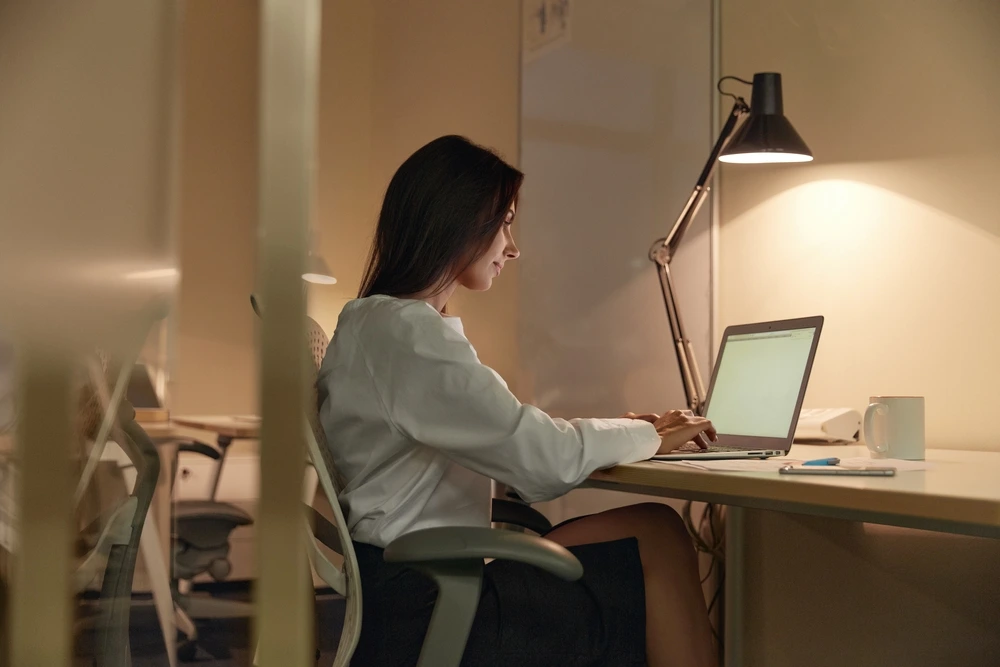
When it comes to lighting, different spaces require unique solutions. A perfect lamp for one area may be unsuitable for another based on its functionality and aesthetics. This is why it is crucial to understand the different types of lamps available and where they work best.
For instance, a bright overhead bulb in your bedroom would significantly affect your sleeping pattern, while a dim light in your kitchen could impede safe movement while cooking.
The most common types of lamps are floor, table, wall, and overhead. Each type performs various functions and creates an ambiance specific to the space it illuminates.
Floor, Table, Wall, and Overhead Lamps
In the realm of lighting, various types of lamps play distinct roles in shaping the ambiance of different spaces within a home. Overhead or ceiling fixtures serve as primary light sources, casting abundant illumination for general use in areas such as living rooms and kitchens. Floor and table lamps, on the other hand, function as secondary light fixtures, offering supplemental lighting or serving as decorative elements. Wall sconces provide versatile options, whether to highlight artwork, accentuate architectural details, or illuminate tight spaces like hallways and bathrooms.
When considering the living room, the choice of floor, arc, or tripod lamps can create a cozy ambiance conducive to relaxation. Table lamps present an excellent opportunity to blend bedside illumination with decor themes in the master bedroom. For a home office where concentrated lighting is crucial, adjustable swing-arm desk lamps or task lamps are ideal choices. With their versatile functionality, wall sconces prove effective in areas requiring focused lighting, such as hallways, foyers, and bathrooms. In dining rooms, the preference shifts towards chandeliers or hanging pendant lights, adding flair while providing ample illumination for conversation and dining.
Here are some lamps for different spaces:
Living Room
- Consider floor, arc, or tripod lamps for a cozy ambiance.
- Table lamps blend bedside illumination with decor themes.
Home Office
- Opt for adjustable swing-arm desk lamps or task lamps for concentrated lighting.
- Wall sconces offer versatile functionality in focused areas.
Dining Room
- Choose chandeliers or hanging pendant lights for flair and ample illumination.
Regardless of the minimalist, contemporary, industrial, or traditional design style, the perfect lamp exists for each home space. The selection process should involve a thoughtful consideration of both form and function, ensuring that the chosen lamps contribute to the desired ambiance while complementing the overall design and style of the home. Lighting, in its various forms, becomes a tool for crafting a harmonious and visually appealing environment throughout every corner of your living space.
Functional and Decorative Lamps
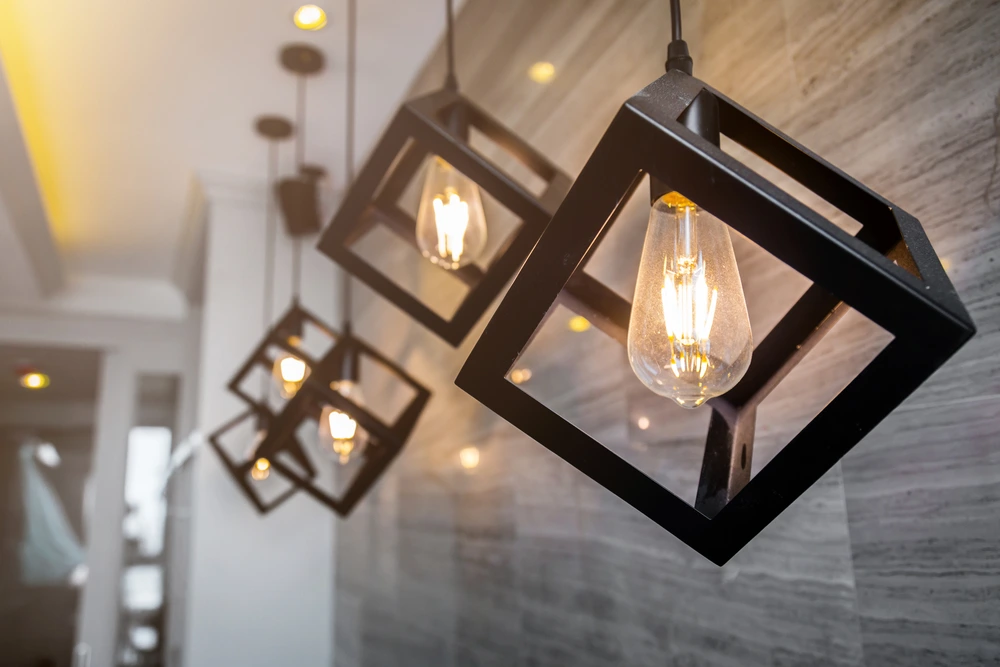
Lamps are a staple in home decor, with styles ranging from traditional to contemporary designs. When choosing a lamp, there are two primary considerations – functionality and aesthetics. While functional lamps are designed to provide ample light for reading or working, decorative lamps add to the room’s ambiance, with their unique design elements becoming an attractive addition to the overall decor.
Consider using a tripod lamp that adds an architectural element to the space while providing adequate illumination. Opt for a boom arm lamp with adjustable swinging arms ideal for targeted lighting.
- According to a survey by the American Lighting Association, more than 60% of respondents stated that task lighting, such as desk or floor reading lamps, is essential in their homes.
- The same report found that ambient lighting sources, which include options like torchiere floor lamps, accounted for approximately 50% of household lighting selections.
- A study on consumer preference regarding home decor and lighting solutions reported that nearly 70% of consumers prefer adjustable lights like swing arm or boom arm lamps for spaces designed for specific tasks, such as reading or working at a desk.
Lamp Placement for Desired Effect
Light layering is essential when creating a cozy and inviting living space. Different areas of the home require different types of lighting, and it’s crucial to consider various combinations of fixtures and bulbs to achieve the desired effect.
For example, up-facing desk lamps and arc lamps are effective choices for adding focused lighting to specific areas of a room. Meanwhile, torchieres or arc floor lamps can be useful in large rooms without ceiling lights.
Additionally, RGB lighting is an innovative way to create different moods and ambiance. When picking their lighting choices, some individuals have been inspired by vintage lamps, mid-century designs, or Japanese-style rooms.
To illustrate how lamp placement can affect the ambiance of your space:
| Lamp Type | Placement | Desired Effect |
| Buffet Lamps | Buffet Tables | Secondary Lighting |
| Arc Lamps | Corners Over Table or Sofa | Compliment Space |
| Tripod Lamps | Anywhere In The Room | Adds Architectural Element |
| Swing Arm Lamps | Desks Reading Areas | Targeted Lighting |
| Torchiere Floor Lamps | Large Rooms Without Ceiling Lights | Ambient Lighting |
Remember, it’s crucial to ensure lamp stability, especially if pets or children are around. Also, use multiple lamps or light fixtures to illuminate an entire room for optimal results.
With a clear understanding of lamp placement and the types of lamps suitable for your space, it’s time to explore different light and bulb options that work best for your desired effect.
Lamp Light and Bulb Types
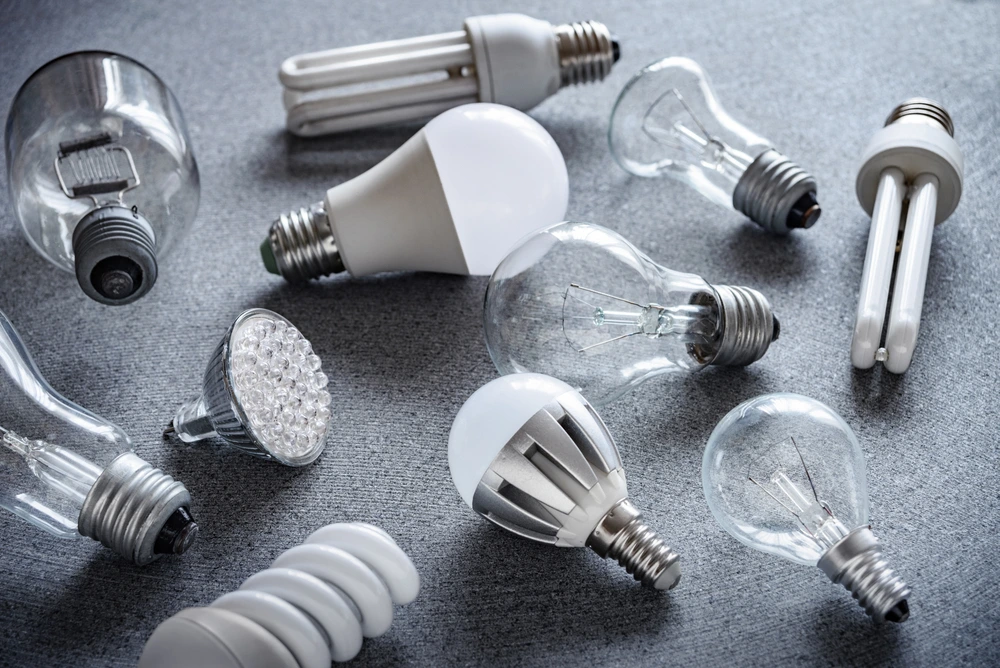
When it comes to selecting lamps for your home, the choice of light bulb is just as important as the lamp itself. Different bulbs and lighting can offer many benefits depending on personal preference and the lamp’s intended use.
Incandescent, Halogen, LED
Incandescent bulbs are the oldest type of bulb on the market. They produce a warm glow often preferred in living rooms and dining spaces, but they have become less popular due to their low energy efficiency. Halogen bulbs improve incandescent bulbs and emit a similar warm light. However, they also have improved energy efficiency, which makes them more cost-effective for frequent use.
Think of it like old-fashioned cars with less efficient engines than modern hybrids that use less fuel and give better mileage.
LED bulbs are another popular option for lamps. They are highly energy-efficient and come in various color temperatures to suit any room’s mood or decor. Some LED bulbs can even be dimmed, giving you maximum control over your lighting.
However, some individuals prefer halogen or incandescent lighting as they believe it offers better ambiance in certain spaces. Additionally, while LED lights may be cost-effective in the long run, initial investment costs can be higher than traditional light bulbs.
Here’s a quick comparison table outlining some key differences between these three types of bulbs:
| Bulb Type | Energy Efficiency | Lifespan | Initial Cost |
| Incandescent | Low | Short | Low |
| Halogen | Moderate | Average | Moderate |
| LED | High | Long | High |
Ultimately, the type of bulb you choose will depend on personal preferences such as budget, desired ambiance, and lighting needs. As technology continues to advance, there may be new options available in the future.
Now that we’ve covered the different bulb types, let’s shift focus and explore ambient, reading, and fill lighting.
Ambient, Reading, Fill Lighting
Lighting plays a vital role in setting the mood of a room. Proper lighting can transform a dull room into an inviting space. Ambient lighting provides overall illumination to an area, which includes general lighting for everyday use. Reading lighting is focused illumination that aids reading and other activities that require concentration, such as writing or hobbies. At the same time, fill lighting fills out shadows created by ambient and reading light sources. Ideally, combining the three lighting styles provides the necessary balance of light in a room.
Creating Atmosphere with Lamps
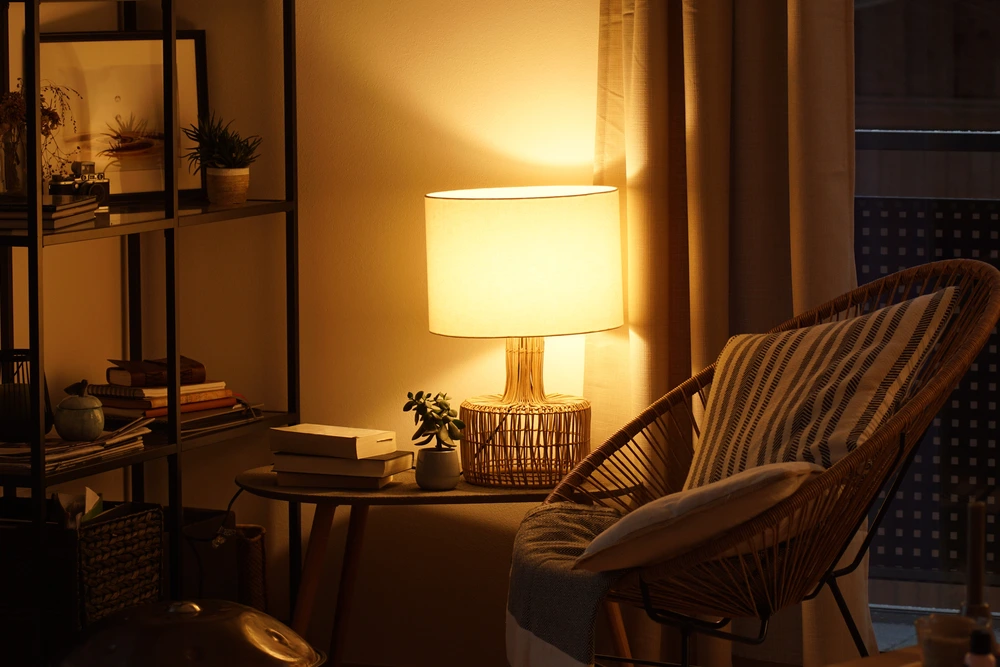
Lamps offer functional advantages and can be aesthetically pleasing and transform when strategically placed in a room. For example, adding buffet lamps to your dining room will decrease harsh overhead glare while creating an intimate ambiance. Using floor lamps can provide low-level illumination and soften the edges of walls, while arc lamps create drama and interest in rooms with high ceilings. Tree lamps add dimension and elegance to corners preferred for displaying artwork.
When considering your bedroom lighting options, remember that different types lend themselves to varied atmospheres, depending on their size and form. For instance, bedside table lamps can create a cozy environment and help regulate sleep-wake cycles naturally by dimming the light as one prepares to sleep. In contrast, installing bright ceiling lights can inadvertently boost wakefulness levels and make it more challenging to fall asleep.
The shape of your lamp shades also impacts the atmosphere and functionality. Empire shades are classic shapes that taper inward from top to bottom, providing more directional light, while drum shades have flat bottoms and sides for softer, direct ambient illumination.
To maximize the benefits of your lighting choices in home decoration, choosing lamp shades should be considered carefully.
Choosing Lamp Shades: Styles and Functions
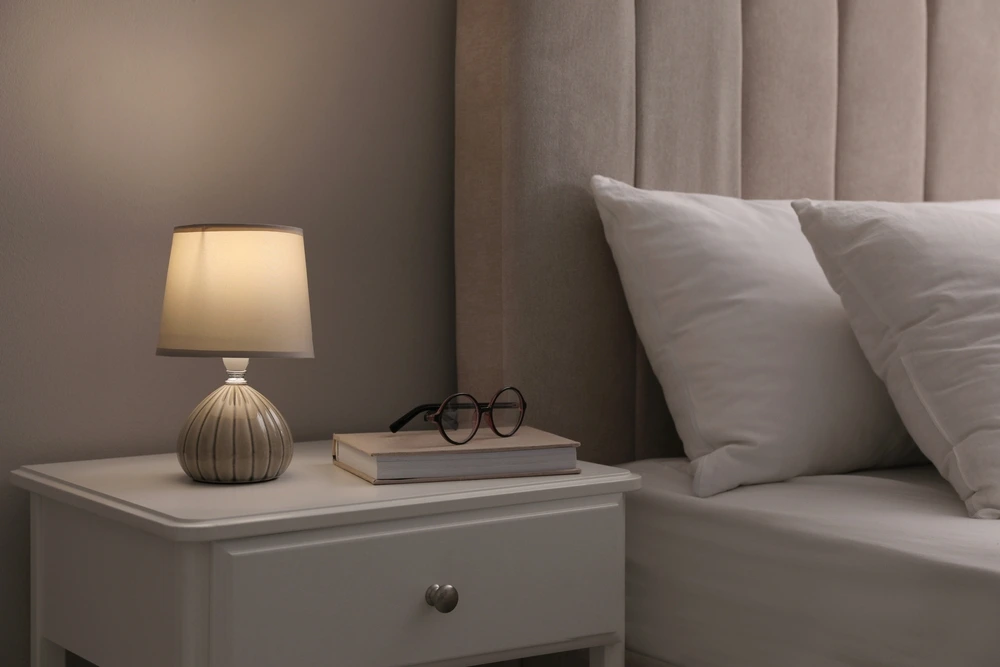
When selecting a lampshade, it’s essential to consider how well it harmonizes with the room’s overall aesthetics. The lampshade can serve as a design element that enhances the space’s personality. For rooms with a bohemian vibe, opt for colorful or patterned shades to infuse vibrancy into the decor. On the other hand, if your preference leans towards minimalism or vintage design, a plain white or cream shade can seamlessly blend with the subdued ambiance.
Considering Functionality
Beyond aesthetics, the functionality of the lampshade is a crucial aspect to contemplate. Look for shades with specific features, such as UV protection or light diffusing capabilities, to enhance the lighting experience. A translucent envelope around the bulb can minimize harsh glares and reflections on screens, making it particularly suitable for home workspaces. Choosing the perfect lampshade for your space is a delicate balance between style and function.
Shape and Size Matters
The shape and size of the lampshade play a pivotal role in determining both the visual impact and practical aspects of the lighting. Ensure the shade size proportionally fits the lamp’s base to create a cohesive look. A smaller shade appears underwhelming and may lead to overheating issues, potentially diminishing the lamp’s lifespan. Additionally, the shape of the shade influences the distribution of light across surfaces and walls. Circular shades offer diffuse, ambient light while varying cylindrical designs are adept at providing ample downlight for specific tasks, such as reading. Choosing the right shape and size contributes significantly to the overall ambiance of the space.