The Role of Distance Relays in Modern Infrastructure
In the vast and intricate world of modern infrastructure, distance relays play a crucial role in ensuring the reliability of electrical networks. These sophisticated devices act as guardians, monitoring and protecting power transmission lines, distribution systems, and interconnected grids. By swiftly detecting faults, accurately measuring distances, and promptly triggering protective actions, distance relays safeguard the integrity of the electrical infrastructure, minimizing disruptions and preventing potentially catastrophic events.
Principle of Distance Relay
Distance relay faults on transmission lines are related to increasing current and decreasing voltage, which produces worth. The thought of distance relays is supported by the fact that:
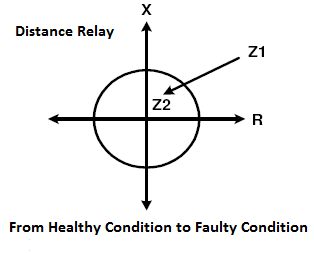
The fundamental idea behind distance relays is that the apparent impedance measured at any point on a transmission line depends on the line impedance and the distance between the measuring point and the fault location. By monitoring the current and voltage at a specific site, the relay can calculate the impedance and compare it with the expected values for different fault scenarios.
- In traditional conditions, the worth of Z is incredibly high; therefore, the distribution doesn’t operate.
- In fault conditions, the worth of Z is diminished, and the distance relay can operate.
Here are some key principles that underpin the operation of distance relays:

Impedance Measurement
Distance relays rely on measuring the impedance of a transmission line to identify faults. Electrical current is influenced by factors such as line length, conductor size, and defects. Distance relays can assess the characteristics and detect anomalies caused by defects by monitoring impedance.
Fault Distance Calculation
Distance relays utilize impedance measurements to calculate the distance to a fault along the transmission line. By comparing the measured impedance to predetermined settings, the relay can determine the approximate location of the mark. This information is crucial for implementing protective actions and isolating the faulty section.
Current and Voltage Monitoring
Distance relays require accurate monitoring of current and voltage on the transmission line. Current transformers (CTs) and voltage transformers (VTs) are used to obtain these measurements. Current monitoring helps determine the magnitude and direction of fault currents, while voltage monitoring provides information on the voltage drop across the line. These measurements are essential for calculating impedance and identifying fault conditions.
Setting and Coordination
Distance relays have configurable settings that allow customization based on specific system requirements. These settings include ddeterrelay’s sensitivity, reach, and fault detection criteria. Coordination among distance relays and other protective devices is essential to ensure proper fault discrimination and selective tripping, minimizing unnecessary power interruptions.
Fault Detection Algorithms
Advanced algorithms are employed within distance relays to analyze current, voltage, and impedance measurements and detect different types of faults. These algorithms consider fault characteristics, such as magnitude, duration, and impedance changes, to distinguish between fault conditions and normal variations in system behavior.
Communication and Integration
Modern distance relays are often equipped with communication capabilities to protect relays and other control devices. Integration with communication networks enables remote monitoring, control, and coordination of protective actions, enhancing the electrical ssystem’selectrical ssystem’soverall functionality.
Over Current Protection Relay
An overcurrent protection relay is a critical component of electrical protection systems that safeguard power systems from excessive current conditions. It acts as a guardian, monitoring the current flowing through electrical circuits and activating protective measures when an overcurrent condition is detected. By rapidly detecting and responding to overcurrent events, these relays help prevent equipment damage, mitigate safety risks, and maintain the overall integrity and stability of electrical networks.
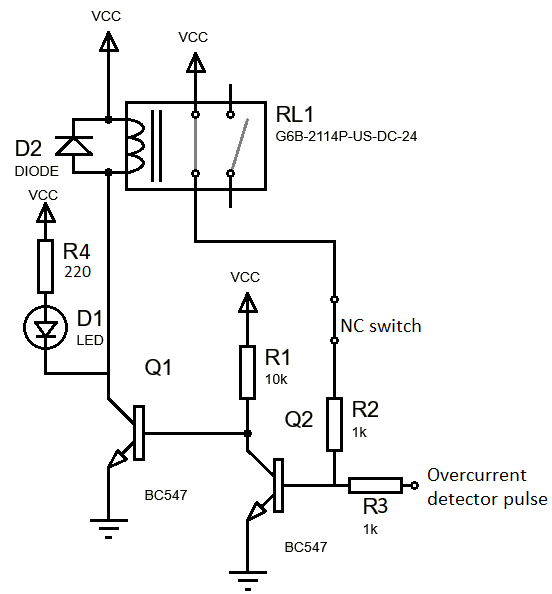
The functioning of an overcurrent protection relay relies on several key elements and principles:
Current Sensing
Overcurrent relays use current transformers (CTs) to measure the current flowing through the circuit they protect. CTs step down the wind to a manageable level and accurately represent the current in the course.
Current Thresholds
Overcurrent relays are equipped with adjustable current thresholds or pickup settings. These settings determine the maximum allowable current for a specific circuit or equipment. The relay is activated if the measured current exceeds these thresholds, indicating an overcurrent condition.
Time-Current Characteristics
Overcurrent relays are designed with time-current characteristics, which dderelay’serrelay’sresponse time bbaseovercurrent’current’smagnitude. These characteristics can be customized to suit different applications and are typically represented by curves or graphs. The curves depict the relationship between the fault current magnitude and the time required for the relay to trip.
Selectivity and Coordination
Overcurrent protection relays are coordinated with other protective devices in the system to ensure selective tripping. Coordination ensures that the nearest protective device to the fault location operates first, isolating the faulty section while minimizing disruptions to other system parts.
Trip Circuit
When an overcurrent condition is detected and confirmed, the overcurrent relay activates its trip circuit. The trip circuit sends a signal to open the associated circuit breaker or switch, interrupting the current flow and isolating the fault.
Earth Fault Relay
An earth fault relay is a crucial protective device in electrical systems to detect and respond to ground or earth faults. Ground faults occur when an unintended electrical connection is made between an energized conductor and the ground, which can result in potentially hazardous conditions such as electrical shocks, equipment damage, and fire hazards. Earth fault relays play a vital role in quickly identifying and isolating these faults, enhancing safety, and protecting electrical systems.

Here are some key aspects and principles related to earth fault relays:
Ground Fault Detection
Earth fault relays are designed to monitor the current flowing into and out of a system or equipment and identify any imbalance between them. When a ground fault occurs, a portion of the current bypasses the intended path and flows into the ground. The earth fault relay detects this imbalance and activates protective measures.
Current Sensing
Earth fault relays use current transformers (CTs) to measure the current flowing in the system or equipment. The CTs provide a reduced current signal proportional to the actual draft, enabling the relay to monitor the flow and accurately detect any abnormal current conditions.
Sensitivity and Settings
Earth fault relays have adjustable sensitivity settings determining the minimum fault current required to activate. These settings can be customized based on the ssystem’sspecific requirements and the desired level of protection. The relay must be set to detect and respond to ground faults while avoiding false trips caused by normal operating conditions or harmless transient currents.
Time-Current Characteristics
Earth fault relays are typically equipped with time-current characteristics that define their response time based on the magnitude of the fault current. These characteristics can be represented by curves or graphs, illustrating the relationship between the fault current magnitude and the time required for the relay to operate. The time delay allows coordination with other protective devices and prevents unnecessary tripping.
Testing and Maintenance
Regular testing and maintenance are essential for earth fault relays to ensure proper functioning. Periodic testing involves verifying the sensitivity settings, checking the time-current characteristics, and evaluating the coordination with other protective devices. Maintenance activities include cleaning, calibration, and inspection to maintain the reliability and accuracy of the relay.
Conclusion
In conclusion, distance relays are instrumental in modern infrastructure, acting as guardians that protect electrical networks, enhance system reliability, and enable efficient electrical power utilization. Their principles, applications, and ongoing advancements continue to shape the landscape of electrical protection and pave the way for a more reliable and sustainable energy infrastructure.
FAQs
What is a distance relay?
A distance or impedance relay is a protective relay used in electrical power systems. It operates based on the impedance measured by bbetrelay’serrelay’slocation and a fault in the power system. The relay compares the impedance to a preset threshold. If the measured impedance is lower (indicating a fault closer to the relay), it will trigger a protective action, such as opening a circuit breaker to isolate the fault.
How do distance relays function in power system protection?
Distance relays function by measuring the impedance between the relay location and a fault on a transmission line:
- Impedance Measurement: When a fault occurs, the impedance between the relay and the fault point decreases. The relay measures this impedance.
- Zone Protection: Distance relays are typically set to protect specific zones. If the fault is within the protected zone, the relay will activate to isolate the faulted section.
- Multi-Zone Protection: Modern distance relays can be configured with multiple zones, each covering different transmission line segments. The relay can quickly ddeterfault’seffault’slocation and take appropriate action based on the zone it falls within.
What are the key applications of distance relays in modern infrastructure?
Distance relays are crucial in ensuring the reliability and safety of modern power systems. Key applications include:
- Transmission Line Protection:
- Description: Distance relays are widely used to protect high-voltage transmission lines. They detect and isolate faults, minimizing the impact on the power system.
- Application: In large-scale power grids, distance relays help prevent widespread blackouts by quickly isolating faulted sections of the network.
- Grid Stability:
- Description: Distance relays contribute to maintaining grid stability by quickly responding to faults and preventing cascading failures.
- Application: In interconnected power systems, distance relays ensure that a fault in one part of the grid does not destabilize the entire network.
- Substation Protection:
- Description: Distance relays are used in substations to protect the infrastructure and equipment from overloading and faults.
- Application: Distance relays protect transformers, circuit breakers, and other critical substation components by isolating faulty sections.
- Renewable Energy Integration:
- Description: Distance relays help integrate renewable energy sources like wind and solar into the grid by ensuring reliable fault detection and isolation.
- Application: As renewable energy sources are often connected to remote areas, distance relays help manage the complexities of connecting these sources to the grid.
- High Voltage Direct Current (HVDC) Systems:
- Description: HVDC systems also use distance relays to protect the transmission lines and ensure stable operation.
- Application: In long-distance power transmission projects, particularly those involving HVDC, distance relays provide essential protection to maintain system integrity.
What advantages do distance relays offer in modern power systems?
Distance relays offer several advantages in modern power systems, including:
- Fast Fault Detection: Distance relays can quickly detect and isolate faults, reducing the risk of damage to the power system and improving overall reliability.
- Selective Protection: By setting multiple protection zones, distance relays can accurately pinpoint the fault location and take appropriate action, minimizing the impact on the rest of the system.
- Adaptability: Modern distance relays are highly adaptable and can be programmed to protect various types of infrastructure, from transmission lines to substations.
- Reduced Maintenance: With advanced digital technology, distance relays require less maintenance and offer more accurate and reliable protection than older electromechanical relays.
How do distance relays enhance the safety and reliability of power infrastructure?
Distance relays enhance safety and reliability by:
- Preventing Equipment Damage: By isolating faults quickly, distance relays avoid damage to transformers, generators, and other critical infrastructure components.
- Reducing Outage Time: Fast fault detection and isolation limit power outages to smaller areas, reducing downtime and improving service reliability.
- Supporting System Stability: In interconnected grids, distance relays help maintain system stability by preventing faults from spreading and causing widespread blackouts.
What challenges are associated with distance relays in modern infrastructure?
While distance relays are highly effective, they face certain challenges:
- Complexity in Settings: Setting the correct impedance zones for protection can be complex, especially in large, interconnected power systems with varying line lengths and load conditions.
- Coordination with Other Relays: Ensuring that distance relays coordinate properly with other protective devices in the system is essential to avoid malfunctions or unnecessary tripping.
- Impact of Renewable Integration: The integration of renewable energy sources can affect the grid’s impedance characteristics, requiring adjustments in distance relay settings to maintain protection accuracy.
How is modern technology improving distance relays?
Modern technology is enhancing distance relays through:
- Digital and Microprocessor-Based Relays offer greater accuracy, flexibility, and functionality than traditional electromechanical relays.
- Communication Capabilities: Modern distance relays can communicate with other protective devices and control systems, enabling coordinated protection strategies.
- Smart Grid Integration: Distance relays are being integrated into smart grid systems, where they can dynamically adjust settings based on real-time grid conditions and enhance overall system efficiency.
Distance relays are essential to modern power systems, providing critical protection for transmission lines, substations, and other infrastructure. Their ability to quickly detect and isolate faults helps ensure the safety, reliability, and stability of the power grid, making them iindispentoday’snttoday’senergy landscape.