
The Role of Earth Fault Relays in Electrical Protection
What is an Earth Fault?
An Earth Fault occurs when an unintended connection between an electrical conductor and the earth is established. This can result from insulation breakdown, damaged cables, or faulty equipment.
Earth Faults pose a severe threat to both personnel and equipment. They can lead to electric shocks, fires, and damage to electrical appliances, making it imperative to detect and address them promptly.
Instantaneous, Definite Time, and Inverse Time Types
-
The current coil is also connected to a current transformer’s returning path (neutral), as shown below.

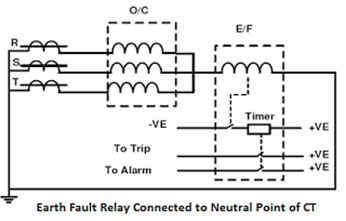
-
The current coil is also connected to the secondary of the current transformer that is put in at the start purpose of the power transformer, as shown in the figure below.

-
The current coil is also connected to the secondary ring sort current transformer at power cables, as shown in the figure below.

Causes of Earth’s Fault
- Installation Breakdown
- Equipment Malfunction
- Human Error
- Grounding System
- Aging Infrastructure
Insulation Breakdown
One of the primary causes of earth faults is insulation breakdown within electrical equipment or wiring. Over time, insulation materials can deteriorate due to aging, environmental factors, or excessive electrical stress, resulting in unintended contact between conductors and the earth.
Equipment Malfunction
Faults in electrical equipment, such as transformers, motors, or generators, can lead to earth faults. Malfunctioning components, loose connections, or short circuits within the kit can create a path for current to flow to the earth.
Human Error
Accidental contact between live conductors and conductive materials, like metal objects or tools, can cause earth faults. Improper installation, maintenance, or repairs by untrained personnel can also introduce weaknesses in the electrical system.
Grounding System Issues
Inadequate or improper grounding systems can contribute to earth faults. If the grounding system is not designed or installed correctly, it may fail to provide a low-impedance path for fault currents, leading to an increased risk of earth faults.
Aging Infrastructure
Over time, electrical systems and components can deteriorate due to aging. Degraded insulation, worn-out connections, or corrosion can contribute to the occurrence of an earth fault.
Advantages of Earth Fault Relays
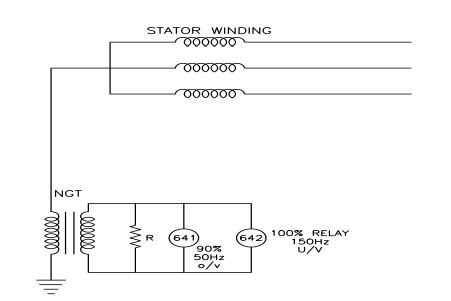
- Swift Detection: Earth Fault Relays promptly identify and respond to earth faults, minimizing the time between detection and action.
- Personnel Safety: By quickly isolating faulty sections, these relays prevent electric shocks, safeguarding the lives of individuals working with or around electrical systems.
- Equipment Protection: Earth Fault Relays prevent damage to expensive equipment by disconnecting the faulty section, reducing downtime and repair costs.
- Reduced Fire Risk: Rapid response to earth faults significantly lowers the risk of electrical fires, enhancing overall safety in industrial and commercial settings.
- Customizable Settings: Modern Earth Fault Relays offer adjustable settings, allowing customization to specific system requirements and enhancing flexibility.
- Compatibility with Various Systems: These relays are versatile and can be seamlessly integrated into AC and DC electrical systems, making them suitable for various applications.
- Selective Coordination: Advanced relays support selective coordination with other protective devices, ensuring optimal performance and minimizing unnecessary tripping.
- Digital Signal Processing (DSP) Technology: Enhanced sensitivity through DSP technology enables the detection of minor abnormalities, improving overall system reliability.
- Communication Capabilities: Integration with communication protocols facilitates real-time monitoring and remote control, adding a layer of convenience to system management.
- Preventive Maintenance: Regular testing and maintenance of Earth Fault Relays contribute to the overall reliability and longevity of the electrical protection system.
- Cost-Efficiency: Preventing equipment damage and reduced downtime translate to cost savings, making Earth Fault Relays a cost-effective solution for electrical protection.
Earth Fault Relays: The Guardians of Electrical Systems
Earth Fault Relays serve as vigilant guardians, constantly monitoring electrical systems for signs of earth faults. These relays play a pivotal role in preventing disasters by swiftly isolating the faulty section of the system.
How Earth Fault Relays Work
- Current Sensing Mechanism: Earth Fault Relays primarily monitor the current flowing in the system.
- Threshold Setting: The relay is set to trigger an alarm or disconnect the circuit when the detected current exceeds a pre-defined threshold.
- Speed of Response: Earth Fault Relays are designed to respond rapidly, ensuring quick isolation of the faulty section.
Importance in Electrical Protection
- Personnel Safety: By swiftly detecting and isolating earth faults, these relays prevent electric shocks, safeguarding the lives of those working with or around electrical systems.
- Equipment Protection: Earth Fault Relays help prevent damage to expensive equipment, minimizing downtime and reducing repair costs.
Advancements in Earth Fault Relay Technology
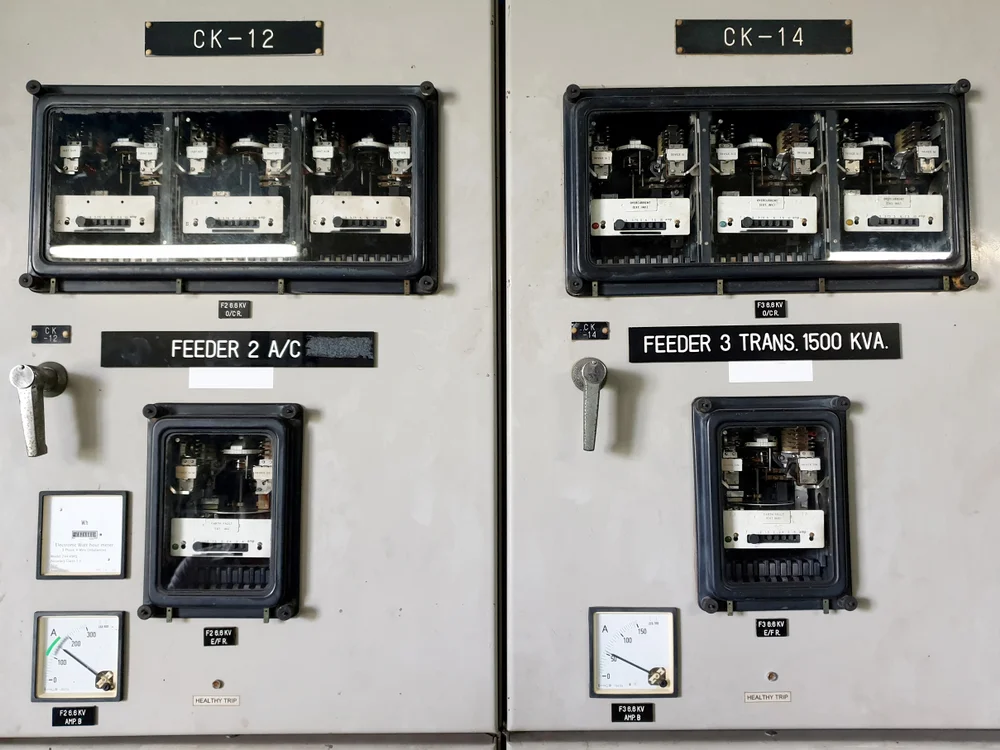
With technological advancements, Earth Fault Relays have evolved to meet the growing demands of modern electrical systems.
Digital Signal Processing (DSP)
- Enhanced Sensitivity: DSP technology enables Earth Fault Relays to detect even minor abnormalities, enhancing overall system sensitivity.
- Communication Capabilities: Integration with communication protocols allows real-time monitoring and remote control.
Selective Coordination
- Customizable Settings: Advanced relays offer the flexibility to fine-tune settings, ensuring selective coordination with other protective devices for optimal system performance.
Conclusion
In conclusion, earth fault relays are essential components of electrical protection systems. Their ability to detect and respond to earth faults, including low-level faults, enhances the safety and reliability of electrical installations. By isolating faulted sections, these relays prevent the spread of defects, reduce the risk of electrical incidents, and contribute to the uninterrupted power supply. Incorporating earth fault relays in electrical systems is crucial for maintaining a secure and resilient electrical infrastructure.
