Tan Delta Testing – Ensuring Electrical Insulation Reliability
In electrical insulation diagnostics, the Tan Delta test is a crucial tool for assessing the health and integrity of high-voltage equipment. This advanced technique allows engineers and technicians to gain invaluable insights into the condition of electrical insulation, helping prevent costly failures and ensuring the safety and reliability of electrical systems. In this article, we will delve deep into the world of the Tan Delta test, exploring its purpose, principles, methods, predictive capabilities, and various modes.
What is the Tan Delta Test?
The Tan Delta test, also known as the Dielectric Dissipation Factor or Power Factor test, is a sophisticated diagnostic method used to evaluate the quality of insulation in high-voltage electrical equipment. It measures the dielectric losses in the insulation material, providing critical information about its condition. By analyzing the Tan Delta value, engineers can assess the insulation’s integrity, identify potential faults, and make informed maintenance decisions.
Purpose of Tan Delta Test
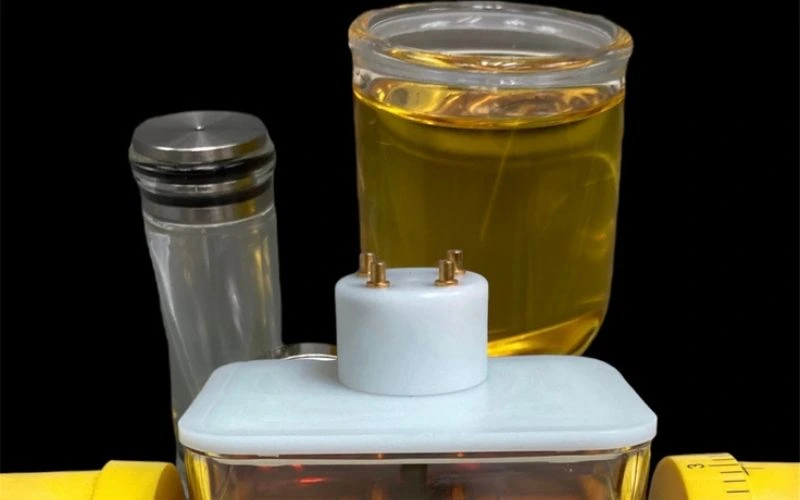
The primary purpose of the Tan Delta test is to assess the insulation condition in high-voltage equipment, such as transformers, cables, and bushings. This test helps achieve the following objectives:
Detect Insulation Deterioration
The Tan Delta test can pinpoint even minor defects or deterioration in the insulation, helping prevent unexpected failures and downtime.
Predict Future Failures
Monitoring changes in Tan Delta values over time enables maintenance teams to predict when insulation will likely fail, enabling proactive maintenance and replacement.
Ensure Safety and Reliability
Ensuring the integrity of electrical insulation is crucial for the safety and reliability of power systems, minimizing the risk of electrical faults and accidents.
Principle of Tan Delta Test
The Tan Delta test measures the phase difference between the voltage and current in an insulation material. When high-voltage AC voltage is applied to the insulation, some energy is lost due to dielectric losses within the material. This loss is represented by the Tan Delta value, which is the dissipated power ratio to the stored energy. A lower Tan Delta value indicates healthier insulation, while a higher value suggests potential issues or degradation.
Method of Tan Delta Testing
Performing a Tan Delta test involves several key steps:
Equipment Setup
- Connect the test equipment, including the high-voltage source and measuring instrument, to the equipment under test (EUT).
Apply Voltage
- Gradually increase the voltage applied to the EUT while measuring the current and phase angle.
Data Analysis
- Calculate the Tan Delta value by analyzing the phase difference between voltage and current.
- Compare the obtained Tan Delta value with baseline values or manufacturer specifications.
Interpret Results
- Interpret the Tan Delta value to assess the insulation’s condition.
- Identify trends or changes in Tan Delta values over time for predictive maintenance.
Predicting the Test Results
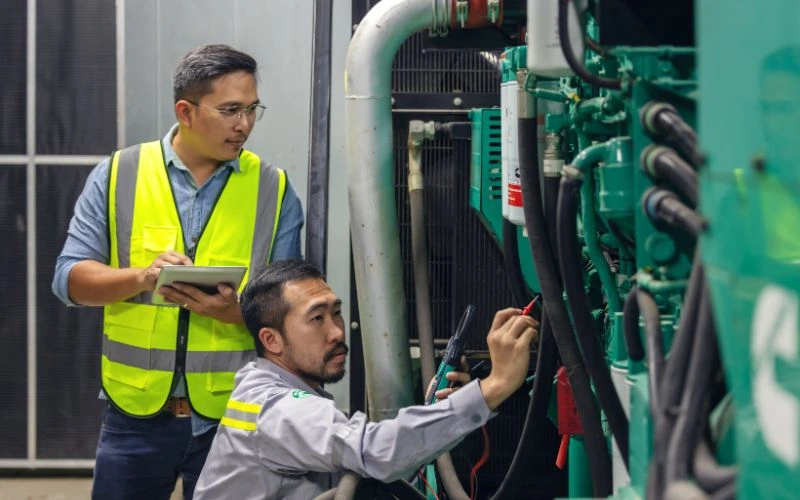
Interpreting Tan Delta test results requires a clear understanding of the values and their implications:
- A Tan Delta value of 0 indicates healthy insulation with minimal dielectric losses.
- Values between 0.001 and 0.1 may suggest some aging or contamination but are generally acceptable.
- Values exceeding 0.1 signal potential issues, such as moisture ingress, contamination, or insulation degradation.
What are the Different Modes of the Tan Delta Test?
The Tan Delta test can be performed in various modes, each serving specific purposes:
Offline Mode
- Purpose: Used during routine maintenance or factory testing.
- Method: Equipment is offline and disconnected from the power source.
- Application: Assessing insulation condition before putting equipment into service or during scheduled maintenance.
Online Mode
- Purpose: Continuous monitoring of equipment in real-time.
- Method: Testing is performed while the equipment is in operation.
- Application: Detecting insulation issues as they arise, enabling immediate corrective actions to prevent failures.
Partial Discharge Coupling Mode
- Purpose: Identifying partial discharge within the insulation.
- Method: Combining Tan Delta testing with partial discharge measurements.
- Application: Locating and assessing partial discharge activity can be a precursor to insulation failure.
Applications of Tan Delta Testing
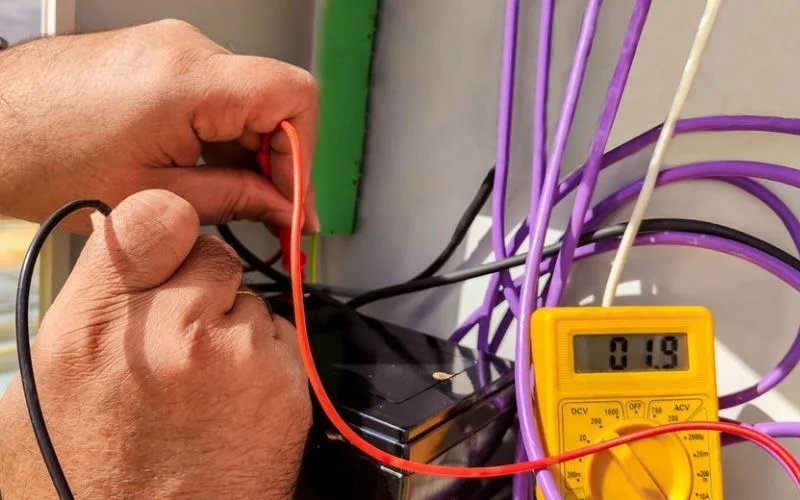
The Tan Delta test finds applications in various industries and scenarios where electrical insulation is critical. Here are some notable areas where this test is indispensable:
Power Generation and Transmission
Transformers and high-voltage cables are subjected to extreme conditions in power generation facilities. Regular Tan Delta testing helps ensure these critical components’ reliability and minimises the power outage risk.
Electrical Utilities
Electric utilities rely on Tan Delta testing to assess the insulation condition of power distribution equipment, including switchgear and circuit breakers. Early detection of issues can prevent equipment failures that might disrupt electricity supply.
Industrial Plants
Manufacturing plants often house many electrical equipment, and Tan Delta testing is vital to ensure the smooth operation of motors, generators, and other machinery. Predictive maintenance based on Tan Delta results can save substantial costs.
Renewable Energy
The renewable energy sector, encompassing wind turbines, solar inverters, and grid connections, utilizes Tan Delta testing to maintain the reliability of equipment exposed to harsh environmental conditions.
Rail and Transportation
Tan Delta testing is essential in railway and transportation systems to assess the insulation condition of overhead lines, power distribution systems, and signalling equipment, ensuring passenger safety and service continuity.
Oil and Gas
Offshore and onshore oil and gas facilities heavily rely on electrical equipment for drilling, extraction, and processing. Tan Delta testing is crucial to safeguard operations in these challenging environments.
Data Centers
In data centres, where uninterrupted power supply is paramount, Tan Delta testing helps maintain the health of backup generators, UPS systems, and power distribution infrastructure.
Conclusion
FAQs
1. What equipment can undergo Tan Delta testing?
The Tan Delta test suits various high-voltage equipment, including transformers, cables, generators, and bushings.
2. How often should Tan Delta tests be conducted?
The frequency of Tan Delta tests depends on factors such as equipment type, age, and criticality. Generally, they are performed during scheduled maintenance or as part of a predictive maintenance program.