Unveiling the Intricacies of Solar Cell Construction and Working
Solar power stands out as a beacon of sustainability and innovation in the ever-evolving landscape of renewable energy. The marvel of solar cells lies at the heart of harnessing sunlight and converting it into electricity. This comprehensive article delves into the intricate world of solar cell construction and working, exploring the technologies that power our transition to a cleaner and greener energy future.
What is a Solar Cell?
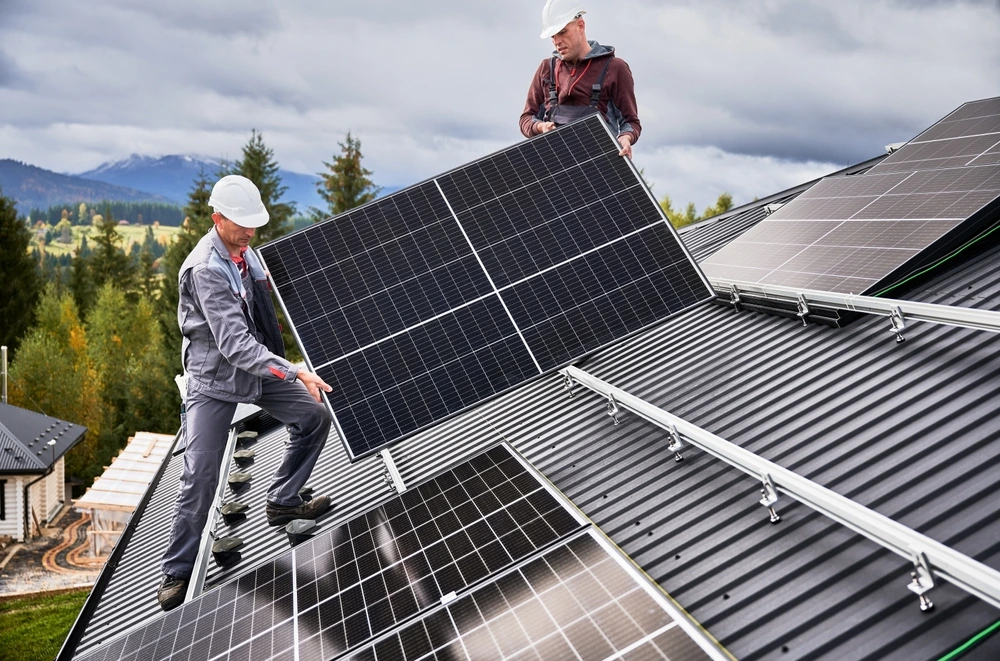
A solar cell, also known as a photovoltaic cell, is a device that converts sunlight into electricity through the photovoltaic effect. Composed primarily of semiconductors, these cells harness the energy from photons to generate an electric current.
Types of Solar Cells
Solar cells offer diverse options tailored to specific needs, from monocrystalline to thin-film and tandem technologies.
Crystalline Silicon Solar Cells
Crystalline silicon solar cells, the most common type, come in monocrystalline and polycrystalline. While monocrystalline cells boast higher efficiency due to their uniform structure, polycrystalline cells offer cost advantages.
Thin-Film Solar Cells
Thin-film solar cells utilize lightweight and flexible materials, such as amorphous silicon or cadmium telluride. These cells are ideal for unconventional applications and are known for their cost-effectiveness.
Tandem Solar Cells
Tandem solar cells stack multiple layers of semiconductors with varying bandgaps, optimizing sunlight absorption across a broader spectrum. This technology enhances efficiency, making it a promising avenue for future solar cell development.
The Fundamentals of Solar Cell Construction
Photovoltaic Cells: The Building Blocks
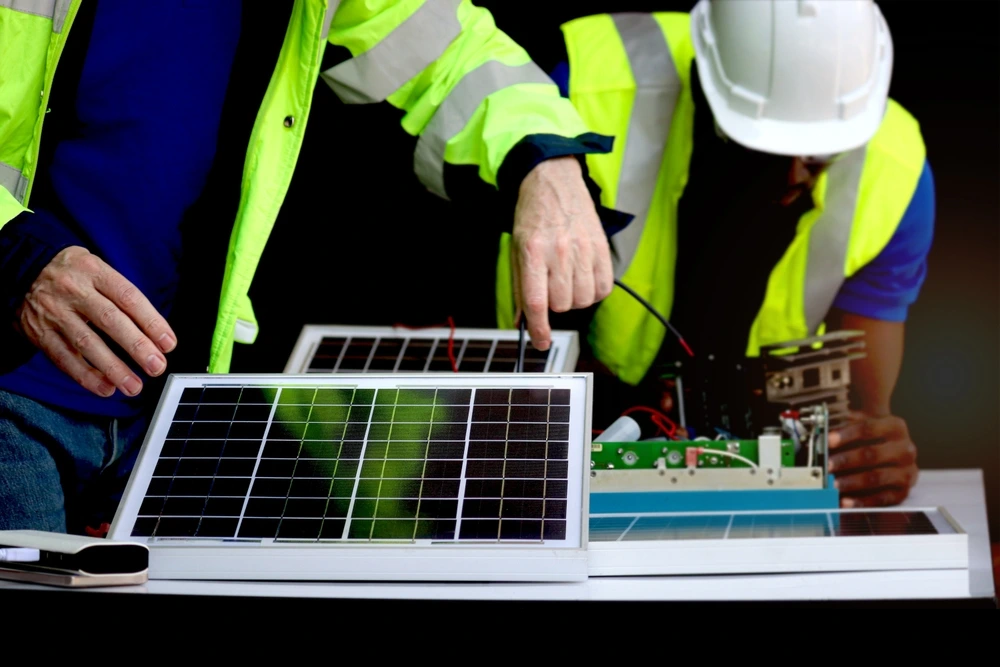
Solar cells, or photovoltaic cells, are the fundamental units responsible for converting sunlight into electricity. Composed primarily of semiconductors, these cells utilize the photovoltaic effect to generate an electric current when exposed to sunlight. The key components include:
- Semiconductor Materials: Silicon is the most widely used semiconductor material, particularly in crystalline or thin-film form. It possesses the ability to release electrons when struck by photons.
- P-N Junction: Solar cells feature a p-n junction, where the positive (p-type) and negative (n-type) semiconductors meet. This junction facilitates the flow of electrons, creating an electric field.
- Metal Contacts: Electrical contacts are essential for collecting the generated current. Metal contacts on the cell’s top and bottom surfaces enable electricity extraction.
Layers and Coatings: Enhancing Efficiency
To optimize solar cell performance, additional layers and coatings are incorporated:
- Anti-Reflective Coating: Applied to minimize light reflection, this coating enhances light absorption, thereby increasing the efficiency of solar cells.
- Back Surface Field (BSF): The BSF layer prevents the recombination of electrons and holes, further improving the solar cell’s overall efficiency.
The Working Mechanism of Solar Cells

Understanding how solar cells convert sunlight into electricity involves a step-by-step process:
- Photon Absorption: When sunlight strikes the solar cell, photons are absorbed by the semiconductor material, imparting energy to electrons.
- Generation of Electron-Hole Pairs: The absorbed energy prompts the release of electron-hole pairs within the semiconductor material.
- Electric Field Creation: The p-n junction facilitates the separation of electrons and holes, creating an electric field that drives the electrons toward the metal contacts.
- Current Flow: As electrons move through the metal contacts, an electric current is generated, which can be harnessed for various applications.
Utilizing Solar Generation Systems
Solar generation systems find applications in various sectors:
- Residential Solar Panels: Powering homes and reducing reliance on conventional grid electricity.
- Commercial and Industrial Installations: Providing sustainable energy solutions for businesses, reducing carbon footprints.
- Space Exploration: Powering satellites and spacecraft with solar cells for extended missions.
Advantages of Solar Cells

- Renewable Energy Source: Solar energy is an abundant and renewable resource, ensuring a long-term sustainable power solution.
- Environmentally Friendly: Solar power generation produces minimal greenhouse gases, creating a cleaner environment.
- Low Operating Costs: Solar systems have relatively low operating and maintenance costs once installed.
Disadvantages of Solar Cells
- Intermittent Energy Production: Solar power generation depends on sunlight, making it intermittent and unreliable during nighttime or cloudy days.
- High Initial Costs: The initial installation cost of solar systems can be high, though this is gradually decreasing with advancing technology and government incentives.
- Environmental Impact of Production: The manufacturing and disposal of solar cells can have environmental implications due to certain materials, necessitating responsible recycling measures.
Conclusion
As the world increasingly pivots towards sustainable energy solutions, solar cell construction, types, and applications are a testament to human ingenuity. From traditional crystalline silicon cells to cutting-edge tandem solar technologies, the evolution of solar cells continues to drive advancements in renewable energy. Embracing and understanding these innovations will undoubtedly play a crucial role in shaping the future of our energy landscape.
FAQs
How efficient are solar cells in converting sunlight into electricity?
The efficiency of solar cells varies based on the type and technology. Crystalline silicon cells, commonly used in residential and commercial installations, typically have 15% to 22% efficiencies. While less efficient, thin-film solar cells are more cost-effective and suitable for specific applications. Ongoing research and development aim to enhance efficiency across all types, contributing to the overall efficacy of solar power systems.
Can solar cells generate surplus energy, and is it stored for later use?
Yes, solar cells can generate surplus energy, especially during peak sunlight hours when the energy production exceeds immediate demand. This surplus energy can be stored in batteries or fed back into the grid. Energy storage solutions, such as lithium-ion batteries, allow users to harness solar power during periods of low sunlight or at night, increasing the reliability and autonomy of solar energy systems.
How do environmental factors impact the performance of solar cells?
Environmental factors such as temperature, shading, and pollution can influence solar cell performance. Higher temperatures can reduce efficiency, and shading over even a small part of a solar panel can significantly decrease energy production. Regular cleaning and maintenance mitigate the impact of environmental factors, ensuring optimal performance and longevity of the solar power system. Additionally, ongoing research focuses on developing solar technologies that are resilient to various environmental conditions.