Mastering Light Dependent Resistors (LDRs) in Electronics
Light Dependent Resistors (LDRs) play a pivotal role in various applications of electronic components. Also known as photoresistors, these devices exhibit unique characteristics that make them indispensable in light sensing and control. This article delves into the intricacies of LDRs, exploring their functionality, applications, construction, circuit integration, specifications, types, intrinsic and extrinsic photoresistors, advantages, and testing methods.
What is an LDR?
A Light Dependent Resistor (LDR) is a type of resistor whose resistance varies with the intensity of incident light. This light-sensitive device belongs to the family of photoresistors reacting to changes in the surrounding light levels.
How LDRs Work
LDRs operate on the principle of photoconductivity, where their resistance decreases with an increase in the amount of light falling on them. This change in resistance is attributed to the generation and movement of charge carriers within the semiconductor material of the LDR.
Photoconductivity Mechanism
- Incident Light Energy: When light photons strike the surface of the LDR, they impart energy to the semiconductor material.
- Generation of Electron-Hole Pairs: The absorbed energy promotes electrons to a higher energy level, creating electron-hole pairs.
- Conductivity Increase: The increase in electron mobility reduces resistance, allowing current to flow more easily through the LDR.
LDR Symbol

Before delving into the manufacturing process, it’s essential to understand the symbols used to represent LDRs in electronic circuit diagrams. The symbol typically consists of a circle with two arrows pointing inwards, symbolizing the variable resistance based on light conditions.
How are LDRs Made?
The manufacturing of LDRs involves specific processes to ensure their sensitivity to light. Semiconductor materials are commonly used, such as cadmium sulfide (CdS) or cadmium selenide (CdSe). These materials are carefully processed to create a light-sensitive component with controlled conductivity.
- CdS LDRs: Cadmium Sulfide LDRs are widely used and exhibit sensitivity to a broad light spectrum.
- CdSe LDRs: Cadmium Selenide LDRs offer specific spectral response characteristics, making them suitable for applications requiring color differentiation.
Light Dependent Resistor Circuit
Integrating LDRs into electronic circuits requires a comprehensive understanding of their characteristics. A basic LDR circuit connects the device in series or parallel with other components to achieve the desired light-dependent functionality. Proper circuit design ensures optimal performance in applications such as automatic street lighting or camera exposure control.
Circuit Design Considerations
- Voltage Divider Configuration: Utilizing LDRs in a voltage divider circuit enables precise output voltage control based on the resistance variation.
- Interface with Microcontrollers: LDRs can be interfaced with microcontrollers to enable advanced light-dependent functionalities in electronic systems.
Light Dependent Resistor Specifications
Understanding the specifications of LDRs is crucial for selecting the right component for a specific application. Key specifications include resistance range, spectral response, and response time. These specifications determine the LDR’s suitability for tasks ranging from security systems to camera exposure control.
Key Specifications
- Resistance Range: Common values range from a few hundred ohms in bright light to several megaohms in darkness.
- Spectral Response: LDRs exhibit varying sensitivity to different wavelengths, and selecting the appropriate spectral response is vital for accurate performance.
- Response Time: Consider the response time when choosing an LDR for time-sensitive applications.
Types of LDR
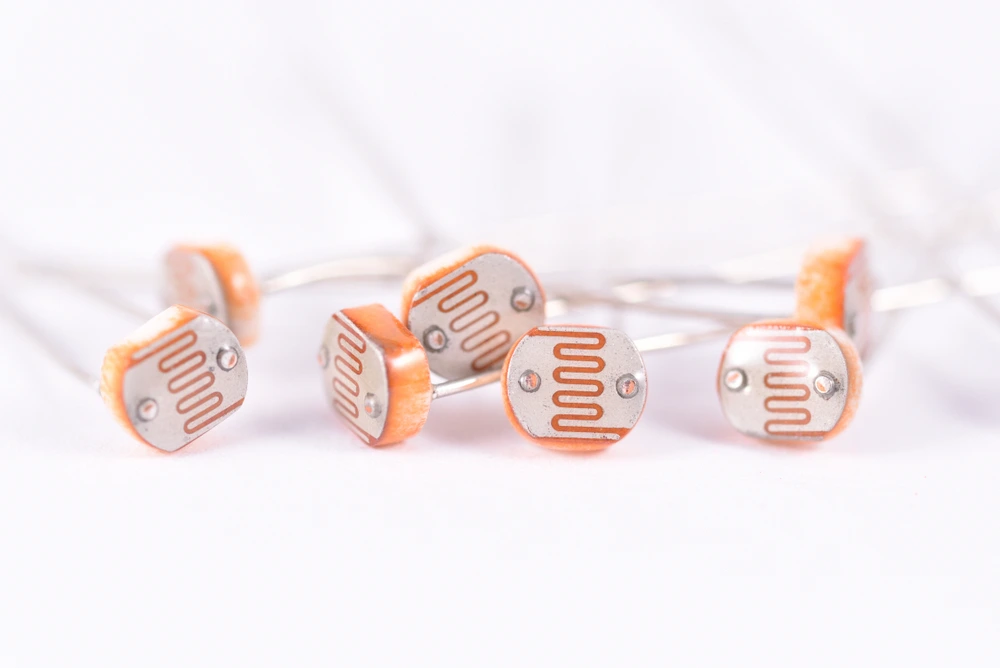
Various types of LDRs cater to different application requirements.
Intrinsic Photoresistor
Intrinsic photoresistors are made from semiconductor materials, and their conductivity changes based on light intensity. These are versatile and find applications in various electronic devices, from cameras to light-sensitive switches.
Extrinsic Photoresistor
Extrinsic photoresistors add impurities to the semiconductor material to modify their photoconductive properties. This modification allows for fine-tuning of sensitivity and spectral response, catering to specific application needs.
Applications of LDRs
LDRs have extensive use in various applications due to their sensitivity to light. The ability to control electrical devices based on ambient light conditions makes them versatile in different sectors.
Automatic Street Lighting Systems
In urban environments, LDRs are employed in automatic street lighting systems. As daylight diminishes, the LDR’s resistance drops, triggering the activation of street lights.
Camera Exposure Control
Photographic devices utilize LDRs for exposure control. Adjustments to the camera’s aperture and shutter speed are made based on the light conditions detected by the LDR.
Security Systems
LDRs are integrated into security systems for detecting intruders. Sudden changes in ambient light trigger an alarm, alerting security personnel to potential threats.
Advantages of Using LDRs
LDRs offer several advantages that contribute to their widespread use in electronic circuits.
- Cost-Effective: LDRs are economical and readily available, making them cost-effective for light-sensing applications.
- Low Power Consumption: These devices consume minimal power, making them suitable for battery-operated systems.
- Ease of Integration: LDRs can be easily integrated into electronic circuits, providing a straightforward solution for light-dependent applications.
LDR Disadvantages
While LDRs offer numerous advantages, it’s essential to be aware of their limitations to make informed design decisions.
Disadvantages
- Limited Spectral Range: LDRs may have limitations in detecting specific colors, as their spectral response can vary.
- Temperature Sensitivity: The resistance of LDRs can be influenced by temperature changes, requiring compensation in certain applications.
- Durability Concerns: Exposure to harsh environmental conditions may affect the long-term durability of LDRs.
How to Test LDRs?
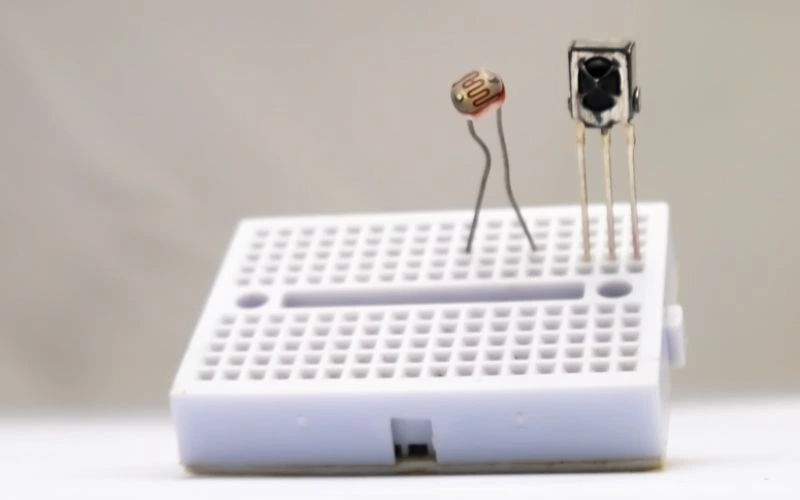
Testing LDRs ensures their functionality and reliability in electronic circuits. Basic testing methods involve measuring resistance under different light conditions and evaluating the response time.
Testing Methods
- Resistance Measurement: Use a multimeter to measure the resistance of the LDR in both dark and light conditions.
- Response Time Evaluation: Shine a light source on the LDR and observe the time it takes for the resistance to change. Rapid changes are crucial in time-sensitive applications.
Conclusion
Light-dependent resistors have become indispensable in various electronic applications, offering a reliable and cost-effective light sensing and control solution. Understanding their principles of operation, applications, construction, circuit integration, specifications, types, intrinsic and extrinsic photoresistors, advantages, disadvantages, and testing methods empowers designers and engineers to make informed choices in integrating LDRs into their projects. As technology advances, LDRs will likely maintain their relevance as essential components in the evolving landscape of electronic devices.
FAQs
What is the typical resistance range of LDRs?
The resistance of LDRs can vary widely, but common values range from a few hundred ohms in bright light to several megaohms in darkness.
Can LDRs detect different colors of light?
LDRs are generally sensitive to a broad light spectrum, but their response may vary across different wavelengths. For applications requiring specific color detection, spectral response characteristics should be considered.
How can I enhance the precision of LDR-based systems?
To enhance precision, calibrate the LDR system based on the specific environmental conditions where it will be deployed. This calibration ensures accurate responses to changes in light levels.