Short Circuit Test of Transformers: Ensuring Safety and Reliability
Transformers are essential components in electrical power systems, responsible for stepping up or down voltage levels and ensuring efficient electricity transmission and distribution. To ensure their reliability and safety, transformers undergo various tests, including the Short Circuit Test. This comprehensive guide will delve into the intricacies of the Short Circuit Test of transformers, shedding light on its importance, procedure, and the factors affecting its outcomes.
What is the Short Circuit Test?
The Short Circuit Test, often called the SC Test, is a critical examination conducted on transformers to evaluate their performance under fault conditions. This test simulates the transformer’s behavior when subjected to a short circuit fault in the electrical system it serves. It provides valuable insights into the transformer’s ability to withstand high currents and voltages while maintaining its structural integrity and electrical functionality.
Importance of the Short Circuit Test

Why is the Short Circuit Test so important in the realm of transformers? Let’s explore its significance:
Safety Assurance
The Short Circuit Test aims to ensure the safety of the transformer and the surrounding electrical system. A short circuit in the network can lead to excessive current flow through the transformer windings. Without adequate protection, this surge in current can cause overheating and damage to the transformer. By conducting the Short Circuit Test, manufacturers can verify that their transformers can withstand such abnormal operating conditions without compromising safety.
Performance Evaluation
The test provides valuable data regarding the transformer’s impedance, voltage regulation, and losses under short circuit conditions. This information is crucial for system operators and engineers to efficiently design and operate the electrical network. It helps select the appropriate protective devices and ensures the transformer can handle fault conditions without affecting the overall system performance.
Quality Control
Manufacturers use the Short Circuit Test as a quality control measure during the production of transformers. By subjecting each unit to this test, they can identify any manufacturing defects or anomalies in the transformer’s design. This ensures that only transformers meeting the required standards are released into the market, enhancing product reliability and customer satisfaction.
Conducting the Short Circuit Test

Now that we understand the importance of the Short Circuit Test let’s dive into the procedure for conducting this critical examination.
Test Setup
The Short Circuit Test involves connecting the transformer to a short circuit generator. This generator is designed to provide a controlled short circuit fault with known parameters, including the fault current and duration. The transformer is typically connected to the generator’s secondary winding while the primary winding remains open. The voltage on the secondary side is gradually increased until the rated current flows, simulating a short circuit condition.
Measurement of Parameters
During the test, several parameters are measured, including:
Short Circuit Impedance (Zsc)
The Short Circuit Impedance is a crucial parameter that characterizes the transformer’s ability to limit the fault current. It is calculated as the secondary voltage (Usc) ratio to the rated short circuit current (Isc). Zsc = Usc / Isc. A lower Zsc value indicates a higher fault current capability.
Voltage Regulation
Voltage regulation is another critical aspect assessed during the Short Circuit Test. It measures the change in secondary voltage when the transformer is subjected to a short circuit fault. A transformer with good voltage regulation will exhibit minimal voltage drop during the fault.
Losses
The test also helps determine the losses incurred in the transformer during a short circuit fault. This information is vital for evaluating the transformer’s efficiency and thermal performance.
Test Conclusion
Once the Short Circuit Test is completed, the collected data is analyzed to ensure the transformer meets the required standards and specifications. Any deviations from expected values may indicate the transformer design or manufacturing process issues.
Factors Affecting Short Circuit Test Results
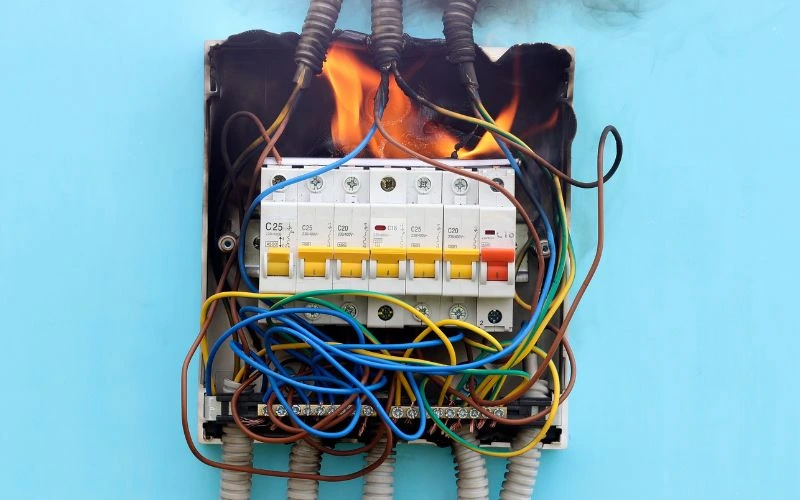
Several factors can influence the outcomes of the Short Circuit Test. Considering these variables to interpret the test results and make informed decisions accurately is essential.
Transformer Design
The transformer’s design significantly determines test results, including its core material, winding arrangement, and insulation. Transformers with high-quality materials and optimized configurations tend to perform better under short-circuit conditions.
Rated Voltage and Current
The rated voltage and current of the transformer impact the Short Circuit Test results. Transformers with higher-rated voltages and currents may exhibit lower short circuit impedances, indicating better fault current capability.
Test Equipment Accuracy
The accuracy of the short circuit generator and measurement equipment used in the test can affect the precision of the results. Calibrated and well-maintained equipment is essential to obtain reliable data.
Benefits of Short Circuit Testing
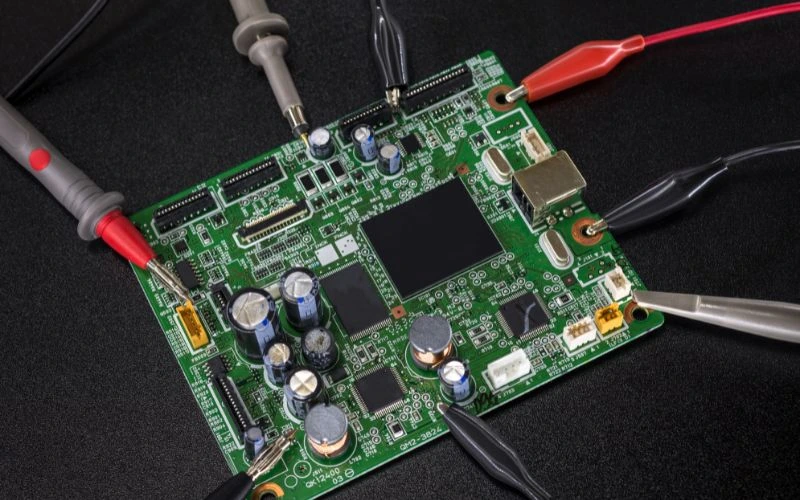
Beyond the fundamental aspects of the Short Circuit Test, there are several benefits associated with this examination that are worth exploring:
Cost-Effective Testing
The Short Circuit Test is a cost-effective method for assessing the integrity and performance of transformers. Conducting this test during the manufacturing phase can identify and rectify potential issues early in the production process, reducing the likelihood of costly defects in the field.
Enhanced Grid Resilience
Transformers are key components of power grids, and their ability to withstand short circuit faults is essential for maintaining grid resilience. The Short Circuit Test ensures that transformers can endure these fault conditions, preventing widespread power outages and minimizing system downtime.
Preventing Catastrophic Failures
A transformer failure due to a short circuit can have catastrophic consequences, leading to extensive damage and posing safety hazards. The Short Circuit Test helps identify transformer design or manufacturing weaknesses, preventing devastating failures in real-world scenarios.
Conclusion
The Short Circuit Test of transformers is a vital evaluation process that guarantees these essential electrical components’ safety, performance, and quality. By understanding its significance, procedure, and the factors influencing its results, you can gain valuable insights into transformer behavior under fault conditions. This knowledge is crucial for maintaining the reliability and efficiency of electrical power systems.
FAQs
1. Can the Short Circuit Test be performed in the field?
The Short Circuit Test is typically conducted in controlled laboratory environments or at the manufacturer’s facility. Attempting to perform this test in the field is impractical and poses significant safety risks.
2. Are there international standards for conducting the Short Circuit Test?
Several international standards, such as IEC 60076 and ANSI/IEEE C57, provide guidelines for conducting the Short Circuit Test. These standards ensure consistency and reliability in the testing process.
3. How often should transformers undergo a Short Circuit Test?
Transformers do not require frequent Short Circuit Tests. Typically, they are subjected to this test during manufacturing to ensure their initial quality. Routine maintenance and condition monitoring are more common to assess transformer health during their operational lifespan.