Unlocking Safety and Efficiency with Shackle Insulator
You’ve likely seen shackle insulators perched atop utility poles, their distinctive U-shaped design quietly ensuring the safety and efficiency of electrical distribution systems. Made from robust materials like ceramic or composite, these insulators are integral in managing overhead lines’ mechanical and electrical stresses. Considering their role in supporting wire connections and resisting electrical currents, it’s important to understand how their quality and installation impact the overall reliability of power systems. As you explore the nuances of these components, you’ll uncover why regular maintenance isn’t just recommended; it’s vital for preventing catastrophic failures in power distribution. Curious about what happens when these insulators fail?
Key Takeaways
- Shackle insulators support utility poles and electrical towers, managing mechanical loads and environmental stresses.
- They are typically made from high-grade ceramic or composite materials, offering excellent electrical resistance and durability.
- The design of shackle insulators includes a curved shape to distribute stress evenly, enhancing their lifespan and performance.
- Installation involves inspecting the insulator for defects, positioning it correctly, and using the right fasteners to ensure secure and proper alignment.
- Regular maintenance, including semi-annual inspections and cleaning, ensures efficiency and reliability in electrical distribution networks.
Understanding Shackle Insulators
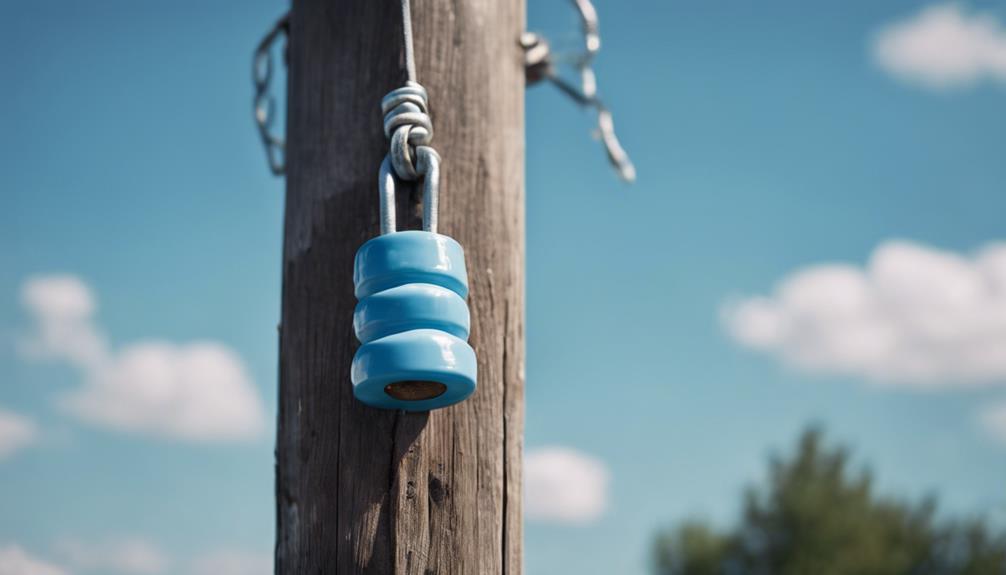
Shackle insulators, essential components in electrical systems, guarantee safety by preventing the passage of unwanted electrical currents. As you explore their design variations, you’ll notice how they’ve been tailored over time to meet specific needs. Initially, shackle insulators were simple designs primarily used in telegraph lines in the 19th century. They were typically made of glass or ceramic, chosen for their ability to withstand environmental stress while insulating electrical conductors.
Over the years, the evolution of shackle insulators has been marked by significant changes in design, driven by the advancing demands of electrical distribution systems. Each variation serves a unique function, from the basic U-shaped models to more complex designs. For instance, modern shackle insulators incorporate features that enhance their performance in high voltage applications and adverse weather conditions.
These developments in shackle insulators haven’t only improved their efficiency and expanded their applications. From rural telegraph poles to urban power grids, the changes in their designs reflect a history of technological adaptation and improvement. Understanding this historical evolution helps you appreciate just how essential these components are in maintaining the safety and reliability of modern electrical infrastructures.
Key Components and Materials
The core elements of shackle insulators include their materials and structural components, pivotal in defining their functionality and durability. When selecting a shackle insulator, it’s important to consider the material’s durability and the component design. These insulators are typically made from high-grade ceramic or composite materials. Ceramic, known for its excellent electrical resistance and mechanical strength, guarantees that the insulator can withstand environmental stresses. Composite materials, on the other hand, offer robustness against pollution and moisture, making them ideal for harsh weather conditions.
The component design of shackle insulators also plays a critical role. The design includes the shape and the method of linking multiple components. The curved shape of most ceramic shackle insulators helps distribute mechanical stress evenly, enhancing their lifespan. Connectors and metal parts are usually designed to resist corrosion and provide secure fittings.
You’ll find that each material and design choice affects the overall performance of the insulator. For instance, the porcelain used in some shackle insulators isn’t only tough but has a smooth glaze that minimizes dirt accumulation, reducing maintenance needs. By understanding these aspects, you’re better equipped to select an insulator that meets your requirements.
Installation Techniques
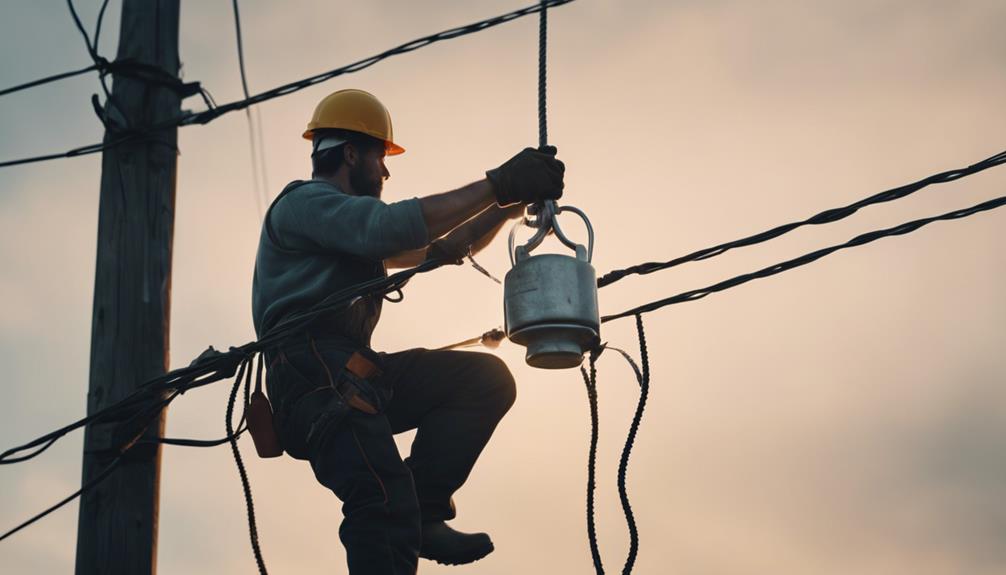
After selecting the right shackle insulator based on material and design, it’s important to focus on effective installation techniques to guarantee peak performance. You’ll need to navigate various fitting challenges and ensure you have the appropriate installation tools to secure the insulators properly.
Here are some essential steps to follow:
- Preparation: Gather all necessary tools beforehand, including torque wrenches, screwdrivers, and safety gear.
- Inspection: Before installation, inspect each insulator for defects or damages to avoid future failures.
- Positioning: Carefully place the insulator to align with the mounting holes. Misalignment can lead to stress and eventual breakage.
- Securing: Use the correct fasteners and tighten them to the specifications recommended by the manufacturer to ensure a robust fit.
- Final Check: Once installed, double-check all connections and fittings. A loose insulator can lead to operational inefficiencies and risks.
Typical Applications
Shackle insulators support various applications, including utility poles and electrical towers, where they effectively manage mechanical loads and environmental stresses. They’re also integral in maintaining the reliability of electrical distribution networks, guaranteeing that power is delivered smoothly and efficiently.
Historically, shackle insulators have played a vital role since the early days of electrical engineering. They’ve adapted to the changes and demands of technology, originally used to secure cross-arms to utility poles and manage line deviations. Their versatility allows them to be used horizontally or vertically, which adapts well to urban and rural settings.
The environmental impact of these insulators is also remarkable. Made primarily from porcelain or high-grade ceramic, they’re designed to withstand adverse weather conditions, such as heavy rain, extreme temperatures, and UV exposure, without degrading. This durability reduces the need for frequent replacements, minimizing the ecological footprint associated with manufacturing and disposing of insulator materials.
Whether dealing with high-voltage transmission lines or simple rural electrification projects, shackle insulators provide a reliable solution engineers have trusted for generations. Their application ensures that electrical systems function effectively, even under challenging environmental conditions, making them a staple in electrical infrastructure worldwide.
Maintenance and Safety

While shackle insulators are robust, properly maintaining them guarantees they continue to perform safely and efficiently. Regular maintenance not only enhances their longevity but also ensures that they function at their best under varying environmental conditions. You need to take into account the inspection frequency and how weather impacts these components.
Here’s what you should keep in mind for effective maintenance and safety:
- Regular Inspections: Schedule inspections at least twice a year. More frequent checks might be necessary in areas experiencing severe weather conditions.
- Cleaning Procedures: Remove dirt, debris, and other contaminants regularly to prevent any potential performance degradation.
- Weather Considerations: Assess and mitigate the impact of weather; look for damage from UV exposure, moisture, and temperature fluctuations.
- Immediate Repairs: Address any signs of wear or damage immediately to avoid further degradation or potential safety hazards.
- Documentation and Records: Keep detailed records of all inspections, maintenance activities, and repairs. This helps track the insulator’s performance and plan future maintenance.
Performance Benefits
Properly maintained shackle insulators enhance your system’s efficiency and reliability by guaranteeing peak performance under various conditions. Their unique design minimizes energy loss, making your system more energy efficient. You’ll notice reduced power consumption, which translates directly to lower utility bills. This efficiency also means that the environmental impact is greatly lessened, as less energy generation is required, reducing emissions from power plants.
Moreover, the robust nature of shackle insulators means they withstand environmental stresses better than many alternatives. This durability reduces the frequency of replacements and maintenance checks you’ll need, offering cost savings and a more consistent, reliable power supply. You won’t have to worry about unexpected power outages due to insulator failure, a common issue with less sturdy options.
Additionally, the improved design of modern shackle insulators helps distribute the mechanical load evenly. This distribution ensures less wear and tear on individual parts, enhancing their lifespan and performance. You’re investing in a solution that saves you money in the short term and contributes to a sustainable future by minimizing environmental impact and resource depletion.
Future Trends in Insulator Technology
Building on the robust benefits of modern shackle insulators, let’s explore emerging technologies poised to revolutionize insulator technology. As you venture into the future, you’ll notice that innovation focuses on enhancing performance, prioritizing environmental sustainability, and incorporating smart monitoring systems.
Here’s what you can expect:
- Nanotechnology Coatings: These advanced materials greatly improve the durability and efficiency of insulators, reducing maintenance needs and enhancing their lifecycle.
- Biodegradable Materials: Researchers are developing insulators made from environmentally friendly materials that minimize ecological impact without compromising insulation integrity.
- Integrated Smart Sensors: These sensors enable real-time monitoring of the insulator’s performance and health, alerting you to potential issues before they lead to failures.
- Energy Harvesting Technologies: Future insulators might capture ambient environmental energy (like solar or vibrational energy), turning maintenance-free insulators into supplemental power sources.
- 3D Printing of Insulators: Customizable and on-demand production of insulators using 3D printing technology will allow for rapid deployment and precise adaptation to specific environmental conditions.
These innovations aren’t just about keeping up with technology but about setting new standards in efficiency and sustainability. You’re stepping into an era where your insulators do more than insulate—they smartly integrate into the broader grid infrastructure, promoting a sustainable and efficient power system.
Conclusion
As you’ve seen, shackle insulators are indispensable in keeping electrical systems safe and efficient. To maximize their benefits, select the right materials and follow proper installation techniques.
Regular maintenance can’t be overlooked—it’s critical for ensuring their longevity and performance. Stay updated with the latest advancements in insulator technology to keep your systems up-to-date and functioning smoothly.
Remember, the reliability of your electrical network greatly depends on these robust components.
FAQs
What are shackle insulators made of?
Shackle insulators are typically made from high-grade ceramic or composite materials. Ceramic provides excellent electrical resistance and mechanical strength, while composites offer durability against pollution and moisture.
How often should shackle insulators be inspected?
Shackle insulators should be inspected at least twice yearly, with more frequent checks in areas prone to severe weather conditions. Regular inspections help identify damage or wear early, allowing for timely repairs.
What are the benefits of proper maintenance of shackle insulators?
Proper maintenance ensures optimal performance and longevity of shackle insulators. Regular cleaning and inspections minimize performance degradation, enhance energy efficiency, and prevent unexpected failures.