Voltage Regulation of Transformer: Ensuring Reliable Power Supply
Transformers play a vital role in our daily lives, quietly working behind the scenes to ensure a smooth and uninterrupted electricity supply. One of the crucial aspects of transformer performance is voltage regulation. In this comprehensive guide, we will delve into the world of voltage regulation of transformers, exploring the intricacies, importance, and methods to achieve optimal voltage regulation.
Understanding Transformers
Before we dive into voltage regulation, let’s establish a basic understanding of transformers. Transformers are electrical devices that transfer electrical energy from one circuit to another through electromagnetic induction. They come in various sizes and types, from small ones used in household electronics to massive units that power entire cities.
At its core, a transformer consists of two coils of wire, known as the primary and secondary windings, wound around a common iron core. The primary winding receives electrical energy, while the secondary winding delivers it to the load. The key principle governing transformers is the voltage and turns ratio relationship between the primary and secondary windings. This ratio determines the voltage transformation capability of the transformer.
The Significance of Voltage Regulation
tr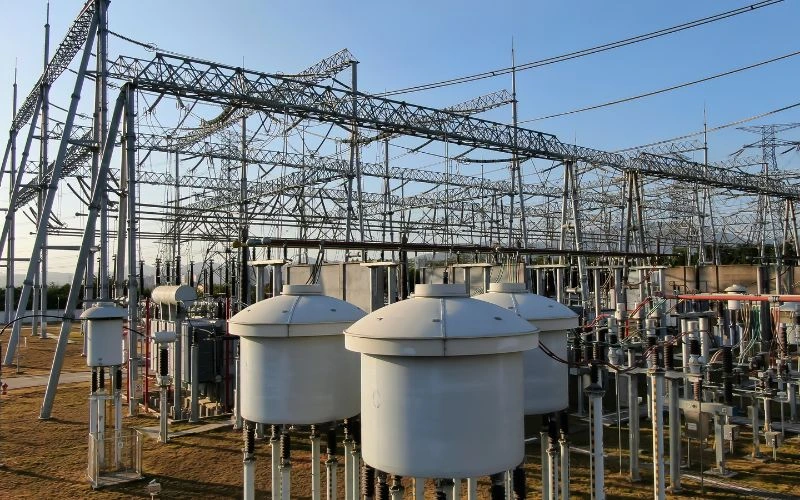
Voltage regulation is a critical performance parameter for transformers, as it directly impacts the quality and reliability of electricity supply. It refers to the ability of a transformer to maintain a relatively constant secondary voltage despite variations in the primary voltage and the load connected to it. In essence, voltage regulation ensures that the voltage delivered to your appliances remains within an acceptable range, preventing damage and ensuring proper operation.
Here are a few key reasons why voltage regulation is of utmost importance:
Protection of Electrical Equipment
If uncontrolled, voltage fluctuations can wreak havoc on electrical appliances and equipment. Overvoltage can lead to premature equipment failure and increased energy consumption, while undervoltage can cause appliances to malfunction or not operate. Proper voltage regulation safeguards your investments in electrical equipment.
Consistency in Power Supply
Voltage regulation ensures that the power supplied to your home or business remains consistent, reducing the risk of disruptions and downtime. This is particularly crucial for industries and facilities that rely on a stable power supply.
Energy Efficiency
Optimal voltage regulation can improve energy efficiency. Transformers operating with poor voltage regulation may lead to energy wastage, as they require more power to compensate for voltage variations. Maintaining a steady voltage level helps conserve energy and reduce electricity bills.
Achieving Voltage Regulation

Now that we understand why voltage regulation is essential let’s explore the methods employed to achieve it:
On-Load Tap Changers (OLTC)
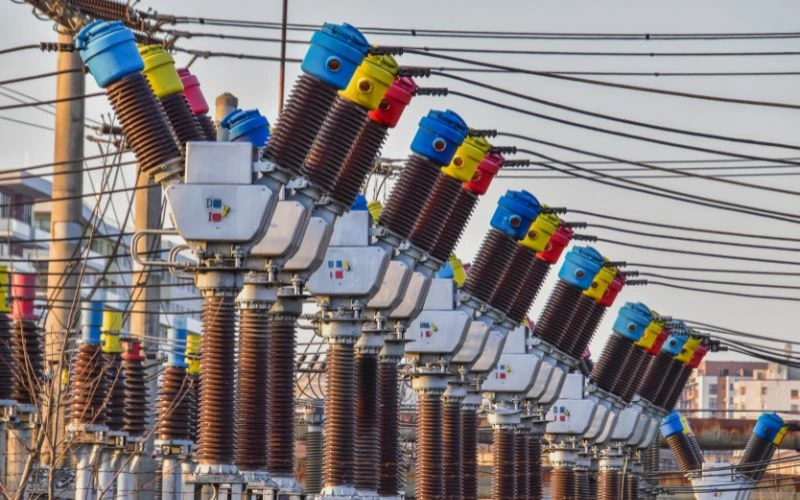
On-Load Tap Changers are devices used in transformers to adjust the turns ratio and, consequently, the output voltage while the transformer operates. They are designed to compensate for variations in the primary voltage and load. OLTCs are a common choice for achieving voltage regulation in distribution transformers.
Voltage Regulators
Voltage regulators are special transformers designed to provide precise control over secondary voltage. They use servo-mechanisms or electronic circuits to continuously monitor and adjust the voltage output to maintain it within a specified range. Voltage regulators are often used in critical applications where voltage stability is paramount.
Autotransformers
Autotransformers are transformers with a single winding that serves both as the primary and secondary winding. They adjust the voltage by connecting the load to different taps along the winding. Autotransformers are more cost-effective than conventional transformers and are commonly used in applications where voltage regulation is necessary.
Factors Affecting Voltage Regulation
Achieving optimal voltage regulation in transformers is not a one-size-fits-all endeavor. Several factors can influence the performance of voltage regulation in transformers:
Load Variations
Transformers experience load variations throughout the day. For example, the load on a distribution transformer during peak hours can be significantly higher than during off-peak hours. Voltage regulation mechanisms must account for these fluctuations and adjust the output voltage accordingly to maintain stability.
Primary Voltage Fluctuations
The primary voltage supplied to a transformer can vary due to grid congestion, line losses, and voltage drop during transmission. Voltage regulation mechanisms must respond to these fluctuations to ensure consistent secondary voltage.
Temperature Effects
Temperature can have a significant impact on the performance of transformers. As the temperature changes, so does the windings’ electrical resistance and the core’s magnetic properties. This temperature dependence can affect the voltage regulation of a transformer.
Conclusion
In conclusion, voltage regulation is critical to transformer operation, ensuring a stable and consistent power supply to consumers. Understanding the factors influencing voltage regulation, as well as the challenges and future trends in this field, is essential for maintaining the reliability and efficiency of electrical distribution systems. As technology advances, we can expect even more sophisticated and effective methods for achieving optimal voltage regulation in transformers.
FAQs
1. What is the ideal voltage regulation for a transformer?
Industry standards and the application’s specific requirements typically specify the ideal voltage regulation for a transformer. Generally, a transformer with lower voltage regulation is considered better as it can maintain a more stable secondary voltage. However, the acceptable voltage regulation level can vary depending on the application, with some requiring extremely tight regulation.
2. How do I determine if my transformer needs voltage regulation?
You can determine if your transformer needs voltage regulation by monitoring the voltage at the transformer’s secondary terminals over time. If you observe significant fluctuations in voltage outside the desired range or if your electrical equipment experiences frequent issues due to voltage variations, it may be a sign that voltage regulation is necessary.
3. Are there any energy efficiency benefits to improving voltage regulation?
Yes, there are energy efficiency benefits to improving voltage regulation. Transformers operating with better voltage regulation tend to waste less energy. When the voltage is maintained at the desired level, electrical equipment operates more efficiently, reducing energy consumption and lowering electricity bills.