Navigating the Intricacies and Innovations of Modern Power System
The term “power system” has become increasingly crucial in today’s rapidly evolving technological landscape. Power systems are pivotal in our daily lives, from supplying electricity to homes and businesses to powering intricate industrial processes. This comprehensive guide will explore the intricacies of power system, from their basic components to the latest advancements, providing valuable insights for both novices and seasoned professionals.
Defining Power System
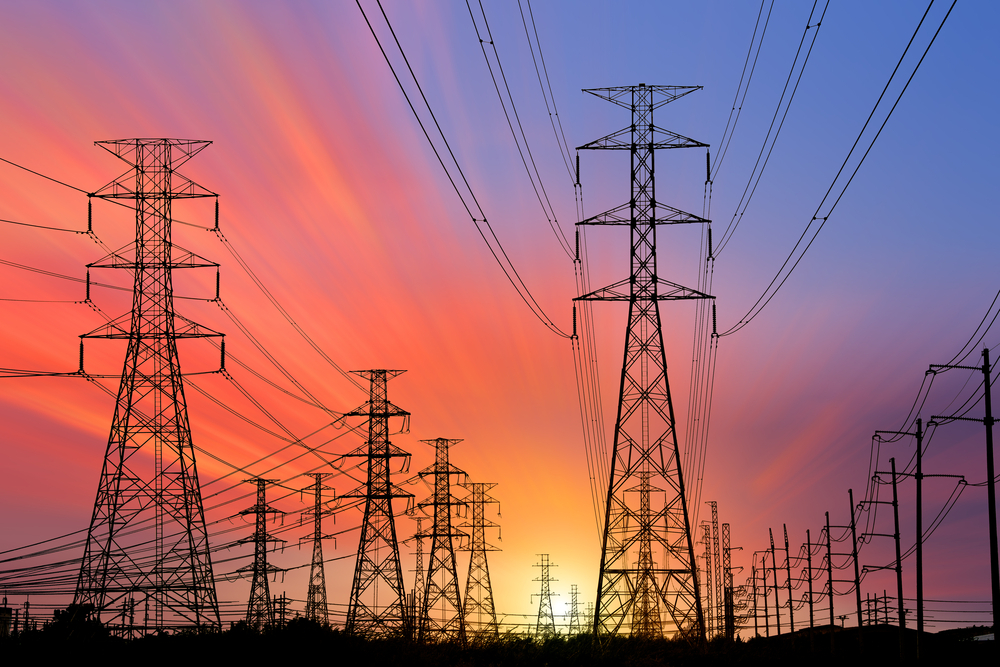
A power system, also known as an electric power system or the electrical grid, is a network of electrical components designed to supply, transfer, and utilize electric power. It comprises generators, transformers, transmission lines, distribution lines, and various control devices. The overarching goal is to deliver electricity reliably, efficiently, and safely.
Types of Power Systems
Power system can be categorized into several types based on their scale, function, and energy source:
- Centralized Power Systems: Large-scale power plants supply electricity to a broad area.
- Decentralized Power Systems: Localized power generation for specific regions or communities.
- Renewable Energy Power Systems: Utilize sustainable sources like solar, wind, or hydroelectric power.
Components of Power System
A power system is an interconnected network that generates, transmits, and distributes electrical energy. It comprises various components, each serving a unique function:
Generators
Generators form the backbone of power systems by converting mechanical energy into electrical energy. Various sources, including fossil fuels, nuclear reactions, and renewable resources like wind and solar, can power them.
Transformers
Transformers play a crucial role in voltage regulation and power distribution. They allow efficient electricity transmission over long distances by stepping up or down voltage levels.
Transmission Lines
Transmission lines are the highways that carry electricity from power plants to distribution centers. High-voltage lines minimize energy loss during long-distance transmission.
Distribution Lines
Distribution lines deliver electricity from distribution centers to end-users. They operate at lower voltages and involve a complex network of substations and transformers.
Control Devices
Advanced control devices, such as SCADA (Supervisory Control and Data Acquisition) system, are pivotal in monitoring and managing power flow. Automation enhances grid reliability and enables rapid response to faults.
Advancements in Power System
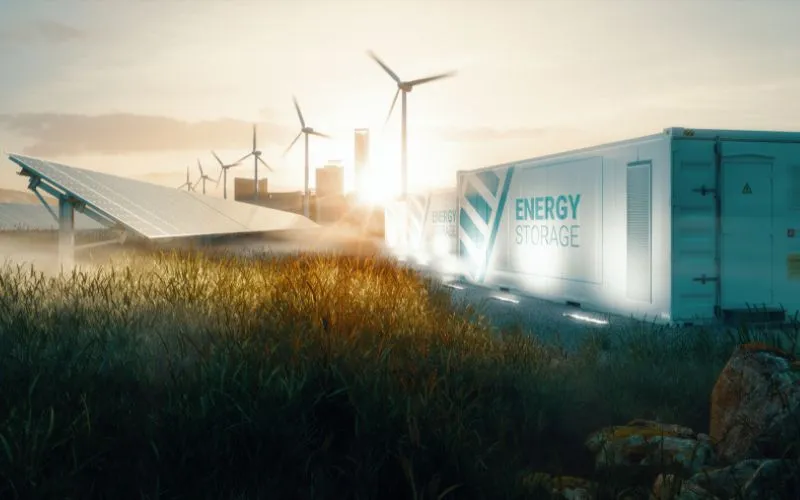
Power systems have seen notable advancements in recent years, particularly in integrating smart grids and energy storage solutions. Smart grids leverage digital technologies for real-time monitoring and control, enhancing efficiency and reliability. Energy storage, including technologies like lithium-ion batteries, contributes to grid stability and accommodates the growing role of renewable energy sources.
Smart Grids
Integrating digital technologies in power systems has given rise to smart grids. These grids enhance efficiency, reliability, and sustainability through real-time monitoring and control. Key features include:
Smart Grid Features:
- Advanced Metering Infrastructure (AMI): Enables precise monitoring of energy consumption.
- Distributed Energy Resources (DERs): Integrates renewable energy sources seamlessly.
- Demand Response Systems: Adjust energy usage based on demand fluctuations.
Energy Storage Solutions
Efficient energy storage is a critical aspect of modern power system. Technologies such as lithium-ion batteries and pumped hydro storage contribute to grid stability and enable the integration of intermittent renewable energy sources.
Energy Storage Technologies:
- Battery Energy Storage Systems (BESS): Store excess energy for later use.
- Flywheel Energy Storage: Utilizes kinetic energy for short-term storage.
- Thermal Energy Storage: Stores and releases energy using temperature differentials.
Challenges and Solutions
Power systems face challenges such as grid resilience and renewable energy integration. Extreme weather and cyber threats pose risks, but solutions like microgrids, grid modernization, and predictive analytics mitigate these concerns. Integrating renewable sources requires advanced forecasting, grid-forming inverters, and energy storage technologies to address intermittency.
Grid Resilience
As power systems become more complex, ensuring grid resilience becomes a significant challenge. Extreme weather events, cyber-attacks, and equipment failures can disrupt power supply. Robust solutions include:
Resilience Strategies:
- Microgrids: Localized, self-sufficient energy systems.
- Grid Modernization: Upgrading aging infrastructure with advanced technologies.
- Predictive Analytics: Anticipating potential issues through data analysis.
Transition to Renewable Energy
The global shift towards renewable energy sources presents opportunities and challenges for power systems. Integrating intermittent energy sources and managing their variability require innovative solutions:
Renewable Energy Integration:
- Energy Forecasting: Predicting renewable energy availability.
- Grid-Forming Inverters: Enhance stability during fluctuations.
- Energy Storage Integration: Balancing supply-demand disparities.
Future Trends in Power Systems
Artificial Intelligence (AI) Integration
The incorporation of artificial intelligence in power systems is a game-changer. AI algorithms optimize energy distribution, predict equipment failures, and enhance system efficiency.
AI Applications in Power System:
- Predictive Maintenance: Anticipate and address equipment issues before they occur.
- Load Forecasting: Accurately predict energy demand for efficient planning.
- Grid Optimization: Dynamically adjust power flow for optimal performance.
Electrification of Transportation
The increasing adoption of electric vehicles (EVs) is reshaping power systems. As more vehicles rely on electricity, there is a growing need for infrastructure that supports widespread EV charging.
Electrification Impact:
- Charging Infrastructure Expansion: Developing a robust network of charging stations.
- Demand-Side Management: Balancing the additional load from EVs.
- Vehicle-to-Grid (V2G) Technology: Allowing EVs to return power to the grid.
Conclusion
FAQs
How do smart grids improve power system efficiency?
Smart grids enhance efficiency through real-time monitoring, advanced metering, and seamless integration of distributed energy resources. These technologies reduce losses, improve reliability, and enable efficient management of renewable energy sources.
How can power systems address the challenges of renewable energy integration?
Power systems address renewable energy challenges through advanced forecasting, grid-forming inverters for stability, and the integration of energy storage technologies. These solutions help balance the variability and intermittency of renewable sources.
What are the main challenges in ensuring grid resilience?
Grid resilience faces challenges from extreme weather events, cyber-attacks, and equipment failures. Solutions include microgrids for local energy independence, grid modernization with advanced technologies, and predictive analytics to anticipate and prevent disruptions.