Navigating the Intricacies of Permanent Magnet DC Motors
Permanent Magnet DC (PMDC) motors are marvels of electromechanical engineering, transforming electrical energy into mechanical power with efficiency and precision. In this comprehensive guide, we journeyed to unravel the intricacies of PMDC motors, exploring their fundamental principles, structural components, and the seamless interplay of magnetic forces that propels countless applications across industries. From the automotive sector to industrial machinery and robotics, the compact design and reliable performance of PMDC motors have positioned them as indispensable components in electric motors.
Understanding Permanent Magnet DC Motors
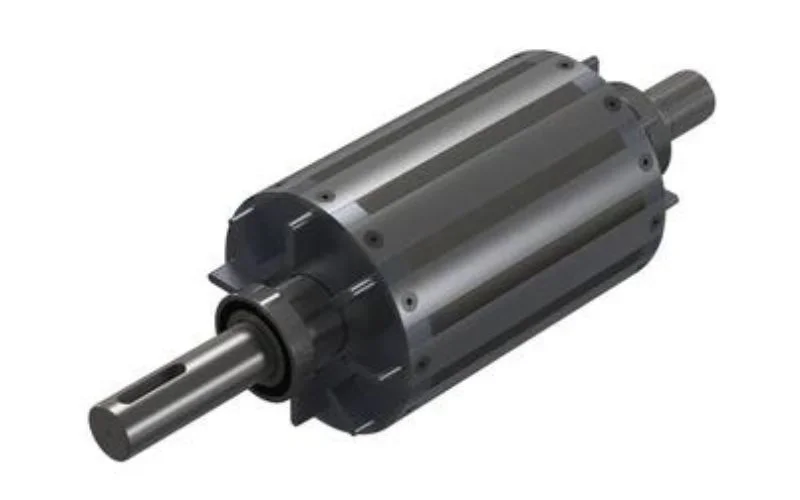
Permanent Magnet DC (PMDC) motors, at their core, convert electrical energy into mechanical energy through the interaction of magnetic fields. With a distinctive design utilizing permanent magnets, these motors provide a reliable and efficient means of power conversion, making them pivotal in various applications.
Definition and Basics
Permanent Magnet DC (PMDC) motors are electromechanical devices that convert electrical energy into mechanical energy through the interaction of magnetic fields. Unlike other types of electric motors, PMDC motors utilize permanent magnets as their primary magnetic flux source.
Structure and Components
The key components of a PMDC motor include the stator, rotor, commutator, and brushes. The stator houses the permanent magnets, while the rotor, connected to the mechanical load, contains the winding where the current flows. The commutator and brushes facilitate the flow of electrical current, ensuring continuous rotation.
Working Principle
The working principle of a PMDC motor is based on the attraction and repulsion between the permanent magnets and the electromagnetically induced magnetic field in the rotor. When current flows through the winding, the commutator ensures that the magnetic field’s direction remains constant, resulting in a continuous rotation of the rotor.
Applications Across Industries
PMDC motors find widespread application across diverse industries. In the automotive sector, they power essential components in electric vehicles. In industrial settings, PMDC motors drive machinery, ensuring precise speed and torque control. Additionally, their compact design makes them ideal for deployment in robotics and automation, enhancing efficiency and precision.
Automotive Sector
PMDC motors find extensive use in electric vehicles (EVs) for their compact design, high torque, and efficiency. They power various components, including power windows, windshield wipers, and even the main drive motors in some electric cars.
Industrial Machinery
In industrial settings, PMDC motors drive conveyors, pumps, and other machinery requiring precise speed and torque control. Their ability to provide reliable performance in various conditions makes them a preferred choice in manufacturing plants.
Robotics and Automation
The compact size and precise control of PMDC motors make them ideal for robotics and automation applications. They are commonly employed in robotic arms, drones, and other automated systems where accurate and responsive motor control is crucial.
Advantages of Permanent Magnet DC Motors
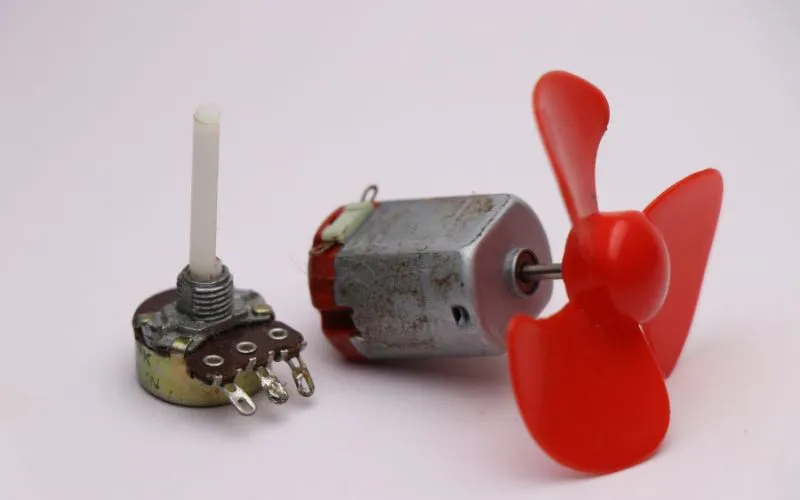
The advantages of PMDC motors are rooted in their energy efficiency, compact design, and precise speed control. The absence of energy losses associated with field winding contributes to high energy efficiency. The compact form factor enables installation in space-constrained environments, while precise speed control enhances their suitability for tasks demanding accuracy.
Energy Efficiency
PMDC motors exhibit high energy efficiency due to the absence of energy losses associated with field winding. Using permanent magnets ensures a more direct conversion of electrical energy into mechanical energy, reducing overall power consumption.
Compact Design
The inherent compactness of PMDC motors makes them suitable for applications with limited space. Their smaller size and lightweight nature contribute to the overall efficiency and maneuverability of devices and systems utilizing these motors.
Speed Control and Precision
PMDC motors offer precise speed control, making them valuable in applications where maintaining specific speeds is critical. The ability to modulate speed with accuracy enhances their performance in tasks requiring precision and reliability.
Technological Innovations in PMDC Motors
Rare Earth Magnet Integration
Recent advancements involve the integration of rare earth magnets, such as neodymium, into PMDC motors. This enhances the magnetic field strength, improving motor performance, efficiency, and overall power density.
Sensor Technology
Incorporating advanced sensor technologies like encoders and Hall effect sensors allows for better control and feedback. This enables more accurate positioning and speed control, addressing traditional challenges associated with PMDC motors.
Smart Motor Controllers
Developing smart motor controllers equipped with sophisticated algorithms enhances the overall performance of PMDC motors. These controllers optimize energy consumption, monitor motor health, and enable seamless integration with automation systems.
Conclusion
FAQs
How do Permanent Magnet DC motors differ from Brushless DC motors?
While both motor types use permanent magnets, the key difference lies in the presence of a commutator and brushes in PMDC motors, whereas brushless DC motors rely on electronic commutation. This fundamental distinction impacts their design, efficiency, and applications.
What challenges do PMDC motors face in terms of heat dissipation?
Heat dissipation is a concern in PMDC motors due to the commutator’s and brushes’ continuous operation. Efficient cooling systems and heat-resistant materials mitigate overheating issues and ensure the motor’s longevity.
How can PMDC motors contribute to sustainable practices in the manufacturing industry?
PMDC motors contribute to sustainability by offering high energy efficiency and reliability, reducing overall power consumption in manufacturing processes. Additionally, advancements in recycling and responsible disposal of motor components enhance their environmental impact.