Optimizing Power Generation: Paralleling DC Shunt Generators
The parallel operation of DC shunt generators is a fascinating and essential aspect of electrical power systems. It enables multiple generators to work together seamlessly, providing a reliable and stable power supply to meet the increasing demands of modern society. This article delves into the theory and principles behind the parallel operation of DC shunt generators. We explore the key considerations, benefits, and challenges associated with this interconnected arrangement, shedding light on how it enhances power system reliability and efficiency while ensuring optimal utilization of resources.
Importance and Challenges
The concept of parallel operation involves connecting multiple DC shunt generators in a similar to work collectively as a unified power generation system. This arrangement enables the generators to share the load and distribute the power output more efficiently, enhancing performance and improving reliability. By capitalizing on the benefits of parallel operation, engineers and power system operators can achieve higher power capacity, improved voltage regulation, and increased overall efficiency.
Continuing in the previous post, generators are in parallel on every occasion, and their positive and negative terminals are severally connected to the positive and negative sides of the bus bars. These bus bars are dense, thick copper bars acting as positive and negative terminals for the entire power plant. If the polarity of the inward generator isn’t identical because of the line polarity, a serious short-circuit can occur once S1 is closed.

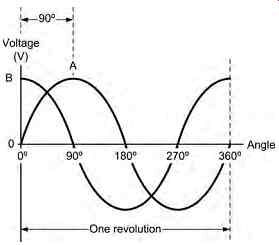
The Armature Coil of the Generator
Paralleling Generators and Voltage Matching

Load Sharing in Parallel Generators
Load sharing is essential when generators are connected in parallel to ensure equal electrical load distribution. It is typically achieved through droop control or automatic voltage regulation (AVR). Droop control involves adjusting the generator’s excitation to change its terminal voltage with load variations. The generator’s voltage decreases slightly as the load increases, allowing other generators to take up more. This sharing of burden prevents any single generator from being overloaded.
Load sharing is primarily achieved through proper voltage and frequency control. To ensure load sharing, the generators are adjusted to have the same terminal voltage, which is typically accomplished by adjusting the field excitation of each generator. The generators become synchronized and ready to share the load by matching the terminal voltage.

However, achieving load sharing is not always a straightforward process. Various factors, such as differences in generator characteristics, operating conditions, and load variations, can affect load-sharing accuracy. Inaccurate load sharing can lead to an imbalance in generator loading, resulting in reduced efficiency, increased wear and tear, and potential system instability.
Voltage Regulation
Maintaining a stable voltage is crucial in parallel operation. Voltage regulation can be achieved using automatic voltage regulators (AVRs) that monitor the generator’s output voltage and adjust the excitation system accordingly. AVRs help to stabilize the system voltage by responding to load changes and maintaining the desired voltage level.
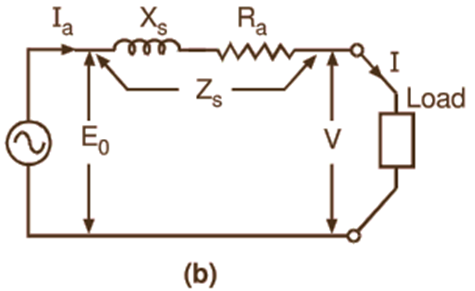
Voltage regulation becomes particularly important in parallel operation, where multiple generators are connected to supply power to a common load. Each generator must contribute its fair share of the bag and maintain consistent voltage levels to achieve load sharing and prevent imbalances. Coordinating voltage regulation control among the generators helps ensure the system operates smoothly and efficiently.
Protection
Proper protection mechanisms are vital for parallel DC shunt generators’ safe and reliable operation. Each generator should have circuit breakers, overcurrent protection, and other protective devices. Additionally, protective relays and interlocking systems can be employed to detect faults, isolate faulty generators, and ensure the integrity of the parallel operation.
Maintenance and Troubleshooting
Regular maintenance is essential to keep the parallel operation of DC shunt generators running smoothly. This includes periodic inspection, cleaning, and testing of the generators and monitoring and adjusting the AVR settings. Troubleshooting techniques, such as fault detection, isolation, and rectification, should be employed to address any issues that may arise during parallel operation.
Maintenance for Parallel DC Shunt Generators
Maintenance ensures parallel DC shunt generators’ reliable and efficient operation. Regular inspections and upkeep routines are critical to prolonging their lifespan and preventing unexpected breakdowns.
Inspections
Regular visual inspections of the generators, connections, and associated equipment are essential to identify any signs of wear, corrosion, or loose connections. This helps prevent potential failures and ensures the generators are in good working condition.
Cleaning
Keeping the generators clean from dust, debris, and dirt is important to maintain optimal cooling and prevent overheating. Regular cleaning of the generator surfaces and cooling systems is necessary to ensure efficient operation.
Lubrication
Proper lubrication of bearings and moving parts reduces friction and extends the generator’s lifespan. Lubrication schedules should be followed as recommended by the manufacturer.
Excitation System Maintenance
The excitation system, including automatic voltage regulators (AVRs), needs regular inspection and calibration to ensure accurate voltage control and regulation. Faulty AVRs can lead to voltage instability and affect the parallel operation of the generators.
Electrical System Checks
Periodic testing of electrical connections, insulation resistance, and grounding ensures the electrical system’s integrity. Any loose or damaged connections should be addressed promptly to prevent electrical faults and minimize downtime.
Troubleshooting in Parallel Operation
Common troubleshooting steps include:
Identifying the Problem
Thoroughly analyzing the symptoms and observing any abnormal behavior in voltage, current, or other parameters helps pinpoint the issue.
Systematic Analysis
Systematic troubleshooting techniques, such as dividing the system into smaller sections or isolating specific components, can help identify the faulty area or part causing the problem.
Inspection and Testing
Conducting detailed inspections, measuring voltage and current levels, and using diagnostic tools can aid in identifying the root cause of the problem. This may involve checking connections, performing insulation tests, or using specialized testing equipment.
Component Replacement or Repair
Once the faulty component or area is identified, appropriate repairs or replacements can be done to restore the generator’s normal operation.
Verification and Testing
After troubleshooting and repairs, it is important to conduct tests and verify the proper functioning of the generators in parallel operation. This ensures the issue has been resolved and the generators operate within the desired parameters.
Conclusion
Parallel operation of DC shunt generators is crucial for a reliable and efficient power supply. It offers improved system reliability, increased power availability, and better generator load sharing. However, it requires careful consideration of voltage and frequency synchronization and proper control mechanisms. Mastering parallel operation techniques is essential for electrical engineers and system operators to ensure the efficient operation of power systems in the future.