Unlocking Efficiency with Parallel Operation of Shunt Generators
In the realm of electrical engineering, parallel operation is a crucial concept that allows multiple generators to work together seamlessly, enhancing power generation efficiency and reliability. Shunt generators, a type of direct current (DC) generator, are no exception to this principle. This article delves into the intricacies of parallel operation of shunt generators, exploring its benefits, challenges, and key considerations.
Understanding Shunt Generators
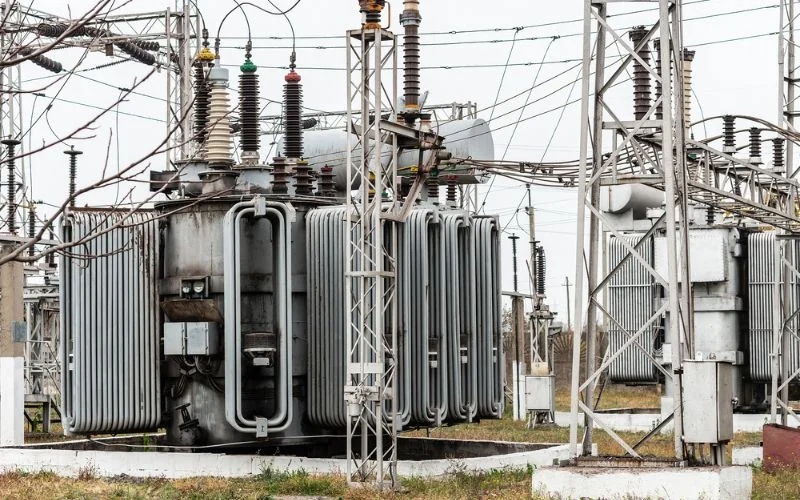
Before diving into parallel operation, let’s grasp the fundamentals of shunt generators. Shunt generators are commonly used to produce direct current (DC) electricity. They consist of a field winding, connected in parallel with the armature winding, and operate based on the principle of electromagnetic induction.
How do Shunt Generators Work?
Shunt generators work by maintaining a constant voltage output. The field winding is connected in parallel with the armature winding, allowing the generator to self-excite and produce a steady voltage, which is essential for various applications.
The Need for Parallel Operation
In many practical scenarios, a single shunt generator may not suffice to meet the electricity demand. This is where parallel operation comes into play, enabling multiple generators to work together harmoniously. Let’s explore why parallel operation of shunt generators is essential:
Increased Power Output
- Parallel operation allows for the cumulative power output of multiple generators, meeting the growing energy requirements of various industries.
- When connected in parallel, shunt generators can collectively provide more power than a single generator, ensuring uninterrupted electricity supply.
Enhanced Reliability
- Parallel operation improves system reliability by introducing redundancy. If one generator fails, others can compensate, minimizing downtime.
- It is a common practice in critical applications like data centers, hospitals, and manufacturing plants to ensure continuous power supply.
Key Considerations for Parallel Operation
Parallel operation of shunt generators involves complex coordination and control. Here are some crucial factors to consider:
Matching Voltage and Frequency
- To parallel generators successfully, their voltage levels and frequencies must match precisely. Deviations can lead to instability and damage to the connected loads.
- Voltage and frequency synchronization can be achieved using specialized control systems and monitoring equipment.
Proper Load Sharing
- Ensuring that each generator carries a proportionate load is vital to prevent overloading or underloading.
- Load-sharing mechanisms, such as droop control, are implemented to distribute the load evenly among the generators.
Benefits of Parallel Operation

Parallel operation of shunt generators offers several advantages, making it an attractive option for various applications:
Improved Efficiency
- When generators are operated in parallel, they can run at optimal loads, increasing overall system efficiency.
- This leads to reduced fuel consumption and operational costs.
Scalability
- Parallel operation allows for easy scalability. Additional generators can be added as needed to accommodate load growth.
- This flexibility makes it suitable for both small and large-scale power generation setups.
Real-World Applications
Parallel operation of shunt generators finds applications across various industries and sectors:
Data Centers
- Data centers require uninterrupted power to safeguard critical information and ensure continuous online services.
- Parallel operation of shunt generators ensures redundancy and reliability, minimizing the risk of data loss due to power outages.
Hospitals
- Hospitals rely on a constant power supply to operate life-saving equipment and provide patient care.
- Parallel generators guarantee uninterrupted power in case of utility grid failures, ensuring patient safety and the operation of essential medical devices.
Manufacturing Plants
- Manufacturing facilities often have fluctuating power demands due to varying production processes.
- Parallel generators help stabilize power supply, ensuring consistent production and minimizing downtime.
Challenges and Solutions
While parallel operation offers numerous benefits, it also poses challenges that need to be addressed:
Synchronization Issues
- Achieving precise synchronization can be challenging due to variations in generator characteristics and operating conditions.
- Synchronization panels and control algorithms help mitigate synchronization issues.
Fault Detection
- Detecting faults in a parallel generator setup can be complex. A fault in one generator can affect others if not promptly isolated.
- Advanced protection systems and monitoring tools aid in quick fault detection and isolation.
Future Trends in Parallel Operation
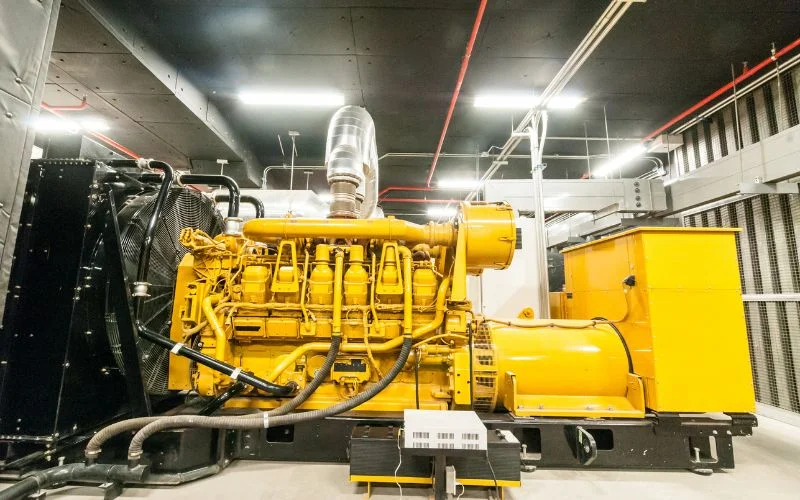
As technology continues to advance, parallel operation of shunt generators is expected to evolve in several ways:
Smart Grid Integration
Integration with smart grid technologies will enable more precise control and optimization of generator operation, improving efficiency and reducing emissions.
Energy Storage Integration
Combining shunt generators with energy storage systems (e.g., batteries) will allow for better load management and increased utilization of renewable energy sources.
Advanced Control Algorithms
The development of advanced control algorithms and machine learning techniques will enhance the real-time monitoring and optimization of parallel generator operation.
Final Thoughts
Parallel operation of shunt generators is a pivotal strategy in the field of electrical engineering, ensuring reliable and efficient power generation across various sectors. Understanding the principles, benefits, and challenges associated with parallel operation is essential for engineers, system operators, and industries dependent on continuous power supply. As technology continues to advance, we can expect even more innovative solutions and increased sustainability in the realm of shunt generator parallel operation.
FAQs
Can shunt generators with different ratings be operated in parallel?
Yes, it is possible to parallel generators with different ratings, but it requires additional control systems to manage load sharing and voltage regulation effectively.
What happens if one generator in a parallel setup fails?
If one generator fails, the remaining generators should increase their output to compensate for the lost capacity. Proper load-sharing mechanisms and control systems are crucial for this.
What safety measures should be in place when operating shunt generators in parallel?
Safety is paramount when operating shunt generators in parallel. Some essential safety measures include:
- Adequate grounding and earthing to prevent electrical hazards.
- Regular maintenance and inspections of generators and control systems.
- Emergency shutdown procedures in case of system faults or emergencies.
- Proper training for personnel involved in operating and maintaining the generators.
Can renewable energy sources be integrated with shunt generators for parallel operation?
Renewable energy sources like solar panels and wind turbines can be integrated with shunt generators for parallel operation. However, it requires specialized inverters and control systems to ensure seamless synchronization and power quality. Combining renewable energy and shunt generators can enhance the sustainability of power generation systems, reducing environmental impact and reliance on fossil fuels.