Unleashing the Power of Linear Induction Motors
Linear Induction Motors (LIMs) are a remarkable innovation in electric propulsion and motion control. These electromagnetic devices have transformed various industries with their unique working principles and versatile applications. In this comprehensive guide, we will explore the intricacies of linear induction motors, including their working principles, applications, advantages, and more.
A linear induction motor operates on the same fundamental principles as a rotary induction motor but produces direct linear motion instead of rotational movement. This motor consists of a primary coil assembly and a secondary reaction plate, often made of conductive metal, separated by an air gap. The operation involves generating a traveling magnetic field that interacts with the secondary, inducing rotor currents and creating motion. Unlike traditional motors with rotary motion, the linear variant eliminates the need for mechanical components such as a gearbox, improving system efficiency.
The input frequency determines the motor’s speed, and modern systems use variable-frequency drives for better control. These motors are commonly used in traction applications like maglev cars, people-movers, and high-speed vehicles, where precise motion control, reduced braking wear, and enhanced acceleration are critical. The motor design involves careful attention to parameters like flux density, pole pitch, and the air gap, which affect performance characteristics such as slip, velocity, and forces generated.
What is a Linear Induction Motor?
A Linear Induction Motor, often abbreviated as LIM, is an electromagnetic device that produces linear motion or force without mechanical contact. Unlike traditional rotary motors, which generate rotational motion, LIMs propel objects along a straight path. This fundamental distinction makes LIMs particularly useful in various applications requiring linear motion.
How Does a Linear Induction Motor Work?
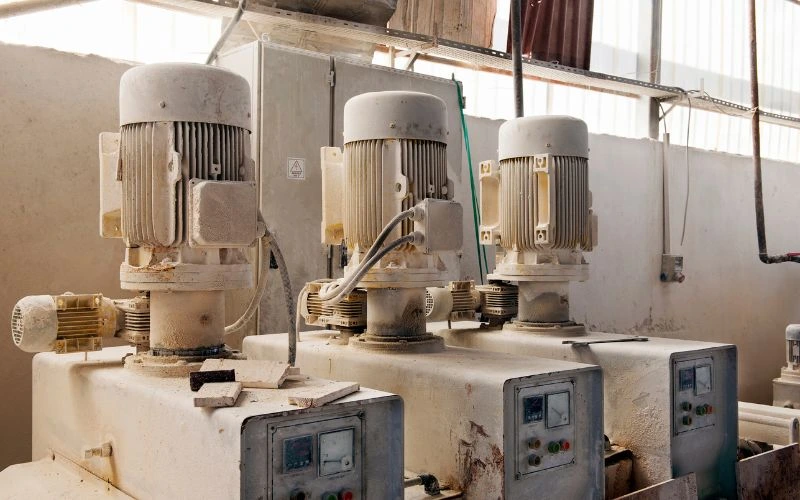
A Linear Induction Motor operates on the same principles as a traditional rotary induction motor. It relies on electromagnetic induction, a phenomenon discovered by Michael Faraday in the 19th century. Here’s a simplified overview of the working principle:
- Electromagnetic Field Generation: When alternating current (AC) is supplied to a set of stator windings, it generates a rotating magnetic field, similar to a rotary induction motor.
- Induction of Current: If a conductor (usually made of aluminum or copper) is placed within the magnetic field, it experiences a phenomenon called electromagnetic induction. This induces a current in the conductor due to the changing magnetic field.
- Creation of Linear Motion: Depending on the design, the conductor experiences a repulsive or attractive force due to the induced current. This force propels the conductor (also known as the “platen” or “shuttle”) along the linear track or guide rails.
“The precision and reliability of LIMs make them indispensable in manufacturing, where automation and quality control are paramount.” – John Anderson, Manufacturing Specialist.
Classifying Linear Induction Motors
Linear Induction Motors can be classified into different types based on design and structure. The two primary categories are:
Single-sided LIM
In a single-sided LIM, the stator windings are placed on only one side of the track, while the conductor or platen is on the opposite side. This design is simple and commonly used in conveyor systems.
Double-sided LIM
Double-sided LIMs have stator windings on both sides of the track, with the platen in the middle. This design increases thrust and is often used in high-performance applications like high-speed trains and magnetic levitation (Maglev) systems.
Applications of Linear Induction Motors
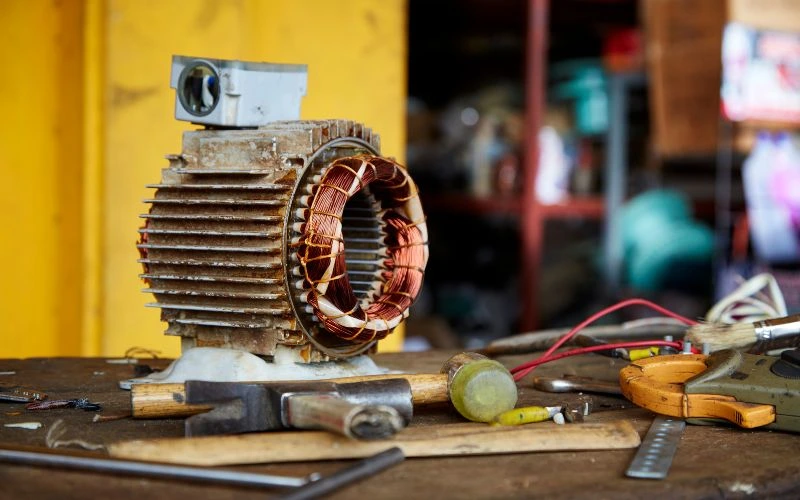
Linear Induction Motors find applications in various industries and systems thanks to their ability to provide precise linear motion without physical contact. Some notable applications include:
- Transportation: LIMs are used in high-speed trains and Maglev systems, offering efficient and frictionless propulsion.
- Manufacturing: Conveyor systems in manufacturing facilities often employ LIMs for smooth and controlled material handling.
- Amusement Parks: Roller coasters and other amusement park rides utilize LIMs for thrilling and precise movements.
- Aerospace: LIMs are used in aerospace testing facilities to simulate the movement of aircraft components.
- Medical Devices: Linear Induction Motors are integral in medical equipment such as MRI machines, where precise motion control is crucial.
“Linear Induction Motors have revolutionized transportation, offering efficient and eco-friendly solutions for high-speed trains and Maglev systems.” – Dr. Sarah Johnson, Transportation Engineer.
Advantages and Disadvantages of LIMs
The advantages and disadvantages of Linear Induction Motors (LIMs) are:
Advantages
- Precision: LIMs offer precise control over linear motion, making them ideal for applications where accuracy is paramount.
- Maintenance-Friendly: Because LIMs do not have physical contact between moving parts, they experience less wear and tear, reducing maintenance requirements.
- High Speeds: LIMs can achieve exceptionally high speeds, making them suitable for rapid transport systems.
Disadvantages
- Complexity: Designing and implementing LIM systems can be complex, requiring specialized knowledge.
- Energy Consumption: LIMs may consume significant electrical energy, especially at high speeds.
- Initial Cost: The initial investment in LIM technology can be higher than that of traditional mechanical systems.
Designing Linear Induction Motors for Optimal Performance
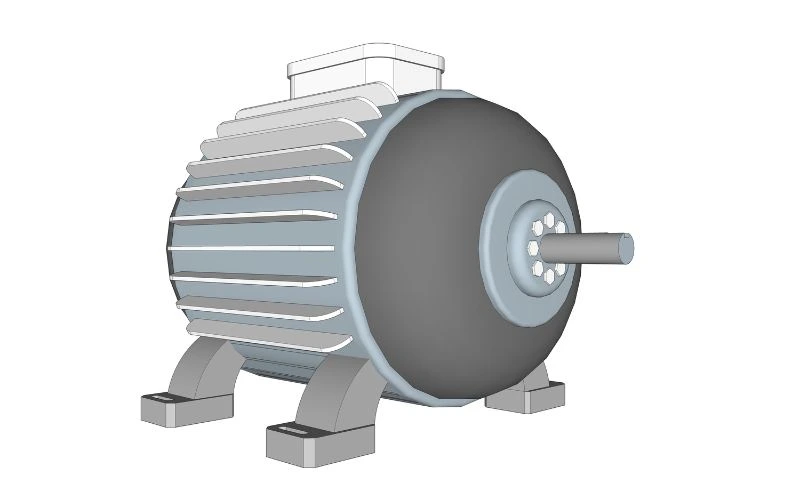
Magnetic Field Configuration
The magnetic field configuration plays a crucial role in LIM design. Engineers must design the stator windings carefully to generate the desired magnetic field. Factors to consider include the shape of the field, field strength, and field uniformity. Proper field configuration ensures efficient and controlled linear motion.
Material Selection
It is essential to choose the right materials for the stator and platen. Aluminum and copper are excellent conductors due to their excellent electrical conductivity. The stator’s core may be made from laminated iron or other magnetic materials to enhance the magnetic field’s strength.
Cooling Systems
Efficient cooling is vital for LIMs, especially in high-performance applications where heat generation is a concern. Engineers may incorporate cooling systems, such as liquid or forced air cooling, to maintain optimal operating temperatures and prevent overheating.
“While LIM technology has its complexities, its ability to deliver high-speed linear motion with minimal wear and tear is a game-changer in various industries.” – Michael Roberts, Electromagnetic Systems Expert.
Conclusion
In conclusion, Linear Induction Motors (LIMs) represent a cutting-edge technology that has revolutionized industries by offering precise, frictionless linear motion. By understanding their working principles, design considerations, and potential challenges, engineers can harness the full potential of LIMs to drive innovation in transportation, manufacturing, and beyond. As the world continues to demand efficient and sustainable solutions, LIM technology is poised to play an increasingly pivotal role in shaping the future of motion control and automation. With ongoing research and development, we can expect even more remarkable advancements in LIM design, further expanding their applications and benefits in the years to come.
FAQs
1. Are Linear Induction Motors (LIMs) energy-efficient?
Yes, LIMs can be energy-efficient, especially when designed and operated with efficiency in mind. However, their energy consumption can vary depending on design, load, and operating conditions.
2. What makes LIMs suitable for high-speed transportation systems?
LIMs are ideal for high-speed transportation because they provide smooth, frictionless propulsion. They can achieve high speeds without the wear and tear associated with traditional mechanical systems.
3. Can Linear Induction Motors be used in vertical applications?
LIMs can be employed in vertical applications, such as elevators and conveyors. Their ability to generate precise linear motion makes them versatile for various applications.
Supporting Article
History of Linear Induction Motor Technology