Inductive Transducer: Understanding Principles and Applications
The inductive transducer is an instrument that utilizes electromagnetic principles to transform physical movements into inductance variations. They respond to changes such as the twist of a coil, the size of magnetic material, and adjustments in flux permeability. Far from being random gadgets, these transducers serve vital roles, including motion sensing and metal detection in devices like touchpads and proximity sensors. Dive deeper into their extensive uses and how they function to turn unassuming movements into valuable data.
An inductive transducer operates by inducing magnetic materials. Changes in factors such as coil twists, the size of the magnetic material, and flux permeability affect the circuit’s inductance, enabling it to convert physical motion into a change in inductance.
Inductive Transducer Basics
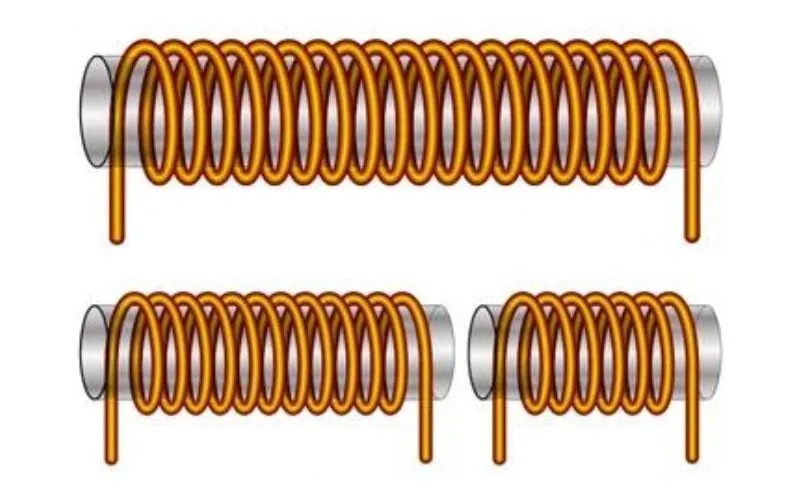
Inductive transducers are widely used in various fields due to their ability to convert physical motion into changes in inductance. Their functioning is rooted in the principle of electromagnetic induction, which means they generate electrical voltage when the magnetic field changes.
This change occurs due to twists in the coil, the size of the magnetic material, and flux permeability. These factors directly influence the circuit’s inductance, allowing inductive transducers to sense and respond to physical changes. For instance, when a metal object moves closer to the transducer, it alters the magnetic field around it, causing a change in inductance. This change can be precisely measured and converted into useful data.
Imagine a proximity sensor at a parking lot entrance. When a car approaches, it triggers the sensor by causing a change in magnetic field, which is then translated into an electric signal that activates a gate-opening mechanism. The inductive transducer enables precise detection without direct contact, making it ideal for such applications.
Furthermore, these transducers play crucial roles in touchpad devices, which detect capacitance variations due to human fingers’ proximity and touch. They are also used in dynamic motion measurement systems to track movement and velocity accurately.
Inductive transducer exhibits remarkable versatility beyond what we commonly encounter. Let’s now explore some specific applications where these devices prove indispensable.
Inductive transducers power various critical applications, showcasing their adaptability and precision. Our next section will delve into specific types and examples of inductive transducers.
Types and Examples of Inductive Transducers
Inductive transducers come in different types, each suited for specific applications and industries.
Simple Inductance Transducer
Let’s start by exploring the Simple Inductance Transducer. This type directly converts the measured mechanical quantity into a change in inductance and is commonly used in various sensing systems such as proximity sensors, accelerometers, and vibration sensors.
The Simple Inductance Transducer is versatile because it can detect various mechanical quantities, including displacement, position, and pressure. For instance, it is widely used in the automotive industry to measure tire pressure and fuel levels in tanks, making it an integral part of modern vehicles and contributing to efficient performance and safety measures.
Two-Coil Mutual Inductance Transducer
Now, let’s examine the Two-Coil Mutual Inductance Transducer. This type detects the change in mutual inductance between the primary and secondary coils. One well-known example falling under this category is the Linear Variable Differential Transformer (LVDT), widely used for precise position measurement in aerospace, manufacturing, and robotics industries. Its ability to deliver accurate and reliable measurements has made it indispensable for critical applications where precision is paramount.
In medical devices such as MRI machines, inductive transducer is crucial for detecting changes in magnetic fields. The nuclear magnetic resonance phenomenon within human body tissues generates these variations. By accurately measuring these changes, medical professionals can produce detailed images for diagnostic purposes.
The versatility of inductive transducers extends beyond just conventional industrial applications; they also play pivotal roles in scientific research and exploration. For instance, search coil magnetometers use inductive sensors to measure magnetic fields during geophysical surveys, space research missions, and environmental studies.
By understanding the different types of inductive transducers and their real-world applications, we can appreciate their widespread impact across diverse fields, from automotive engineering to medical diagnostics, demonstrating their indispensable value in modern technology.
With a solid grasp of the broad applications of inductive transducers in various industries and settings, let’s now delve into the intricate functioning of these transducers in specific measurement scenarios.
Functioning of Inductive Transducers
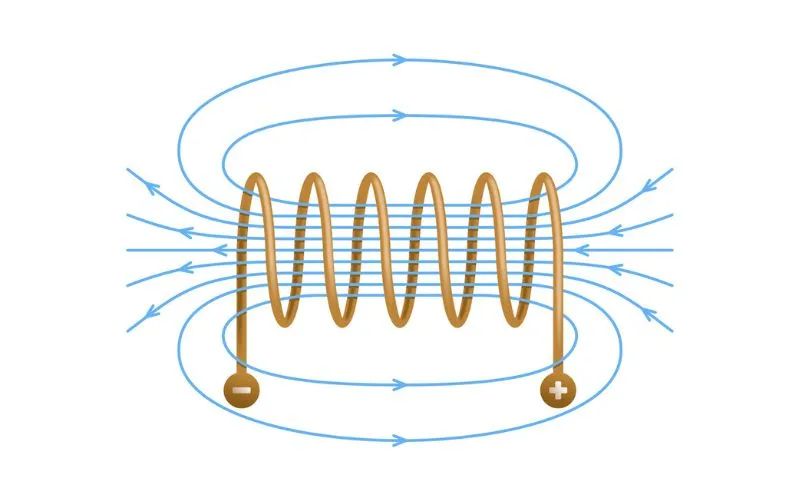
Let’s explore electromagnetic induction to understand how inductive transducers operate. When a magnetic material moves within an inductor’s magnetic field, it causes changes in the circuit’s inductance.
Let’s break this down further: imagine a coil and a core. The core’s position changes in response to the measured physical quantity, inducing a change in the coil’s inductance. This movement is directly related to the physical quantity being measured, such as displacement, coupling distance, or changes in the magnetic field.
This process results in a corresponding change in the electrical output signal, which finds application across various fields such as proximity sensors, touchpads, dynamic motion measurement, metal detection, and movement detection in equipment like belt conveyors and bucket elevators.
An example is the linear variable differential transformer (LVDT), which utilizes the principle of mutual inductance and is widely employed for accurately measuring displacement and position due to its precision and reliability.
Mathematical Models
The theoretical data for inductive transducers often includes mathematical models or equations describing the relationship between the measured physical quantity and the electrical output signal. These models are crucial for understanding and predicting the behavior of inductive transducers in different scenarios.
For instance, an LVDT is characterized by a specific transfer function that relates its input (displacement) to its output (voltage). This transfer function enables engineers to calibrate and confidently utilize LVDTs for various applications precisely.
Understanding the intricate functioning and practical applications of inductive transducers provides valuable insights into their utilization across various industries and technologies. If you’re eager for more detailed insights and practical examples regarding their operation, mytech-info.com is your go-to resource!
Ready to explore inductive transducers’ strengths and limitations? We’ll next examine these aspects in more detail to gain a comprehensive understanding of their impact on practical applications.
Advantages and Limitations
Inductive transducers offer several advantages that make them valuable tools in various applications.
High Responsivity
Their high responsivity allows them to detect even the slightest changes in physical properties, making them incredibly precise measurement devices.
Reduced Load Effects
This high precision is further enhanced by their reduced load effects, ensuring that the measurements obtained are accurate and unaffected by external factors.
Robustness in Challenging Environments
Moreover, inductive transducers demonstrate robustness against environmental factors. Whether it’s exposure to moisture, dust, or varying temperatures, these transducers maintain their functionality and accuracy, making them reliable components in critical industrial and scientific settings.
Limitations to Consider
Despite their many strengths, inductive transducers have limitations that must be considered when determining their suitability for specific applications.
Operating Range Constraints
One common limitation is their reduced operating range due to side effects. While they excel at precise measurements within a certain range, they may struggle to maintain accuracy outside these parameters. For instance, an inductive transducer designed for measuring small displacements with high accuracy might not be suitable for applications requiring measurements across a wide range, affecting its versatility and applicability.
Sensitivity to Magnetic Fields
Additionally, sensitivity to magnetic fields can pose challenges for inductive transducers in environments where magnetic interference is prevalent. While they can detect changes in magnetic materials, excessive external magnetic fields may introduce measurement inaccuracies.
Temperature Limitations
Furthermore, temperature limitations can impact the performance of inductive transducers. Exposure to extremely high or low temperatures can affect the properties of the materials used in these transducers, leading to variations in their responsiveness and accuracy.
Understanding inductive transducers’ remarkable advantages and limitations provides valuable insights into their optimal usage and the precautions necessary to maximize their effectiveness.
As we move forward, we will explore how these characteristics translate into diverse applications across different fields.
Applications in Different Fields
Inductive transducers are incredibly versatile, finding applications in various industries due to their ability to convert physical quantities into electrical signals. Now, let’s explore some fascinating applications highlighting the significance of inductive transducers in modern technology.
Proximity Sensing in Robotics
Inductive transducers play a critical role in robotics by enabling proximity sensing. In robotics, precise detection of objects or obstacles is crucial for ensuring safe and efficient operations. Inductive transducers provide reliable, contactless detection of metallic objects, allowing robots to navigate their environment effectively. This technology is vital for industrial robotics, automated material handling systems, and even advanced prosthetics, where object recognition and obstacle avoidance are paramount.
One notable example of this application is assembly-line robots that use inductive transducers to locate components and precisely perform intricate tasks with pinpoint accuracy. These robots can operate efficiently in complex environments with minimal human intervention.
Touchpad Technology in Consumer Electronics
Have you ever wondered how the touchpad on your smartphone or laptop functions? Inductive transducers are at the heart of touchpad technology, enabling the detection of touch and finger movements. These transducers translate the user’s touch into electrical signals, allowing intuitive interaction with electronic devices. This application has revolutionized how we engage with consumer electronics, providing responsive and precise touch control capabilities across various devices.
The sensitivity and accuracy of inductive transducers have paved the way for innovative touch-sensitive interfaces that enhance user experiences. From smartphones and tablets to laptops and smart home devices, the seamless integration of touchpad technology powered by inductive transducers has become an integral part of modern consumer electronics.
Metal Detection in Security Systems
Metal detection is critical in security systems to ensure safety and prevent unauthorized access to restricted areas. They employ inductive transducers, which offer reliable detection of metallic objects such as weapons or prohibited items. These transducers enable security personnel to conduct thorough screenings while maintaining operational efficiency.
Take airport security checkpoints, for instance. The metal detectors have advanced inductive transducers that distinguish between harmless everyday items and potentially dangerous metallic objects. This level of precision is essential for ensuring public safety without causing unnecessary disruption to regular activities.
Elevator Movement Detection
Elevators rely on precise movement detection systems to ensure smooth operations and passenger safety. Inductive transducers detect elevator car positions, speed variations, and door movements. By accurately capturing these parameters, inductive transducers contribute to elevators’ safe and efficient functioning in residential, commercial, and industrial settings.
Integrating inductive transducers enhances vertical transportation’s performance and reliability through real-time monitoring and control mechanisms.
The diverse applications of inductive transducers underscore their indispensable role across various industries. They influence technological advancements and contribute to enhanced functionality and safety in numerous fields.
Selecting Suitable Inductive Transducers
Choosing the right inductive transducer is crucial for ensuring the optimal performance of electrical systems. This decision involves considering several factors and goes beyond randomly picking a sensor.
One of the most important things to consider is the specific application requirements. For instance, if you need a sensor for a harsh environment with high dust, humidity, or extreme temperatures, you’ll want one that can handle those conditions without faltering.
Environmental Conditions
Environmental factors such as temperature range, presence of water/moisture, exposure to dirt and chemicals, and potential electromagnetic interference can significantly impact the performance and lifespan of an inductive proximity sensor. In scenarios involving heavy machinery and equipment, where sensors may be exposed to high levels of electromagnetic noise, choosing sensors designed to operate reliably in these conditions is imperative.
It’s similar to choosing a coat – you wouldn’t opt for a thin raincoat if you were headed for mountain climbing! You’d need something much sturdier and warmer to withstand harsh conditions.
Compatibility with Existing Systems is another crucial consideration. When selecting an inductive proximity sensor, it’s essential to ensure compatibility with the existing control system and wiring. This includes evaluating the sensor’s output configuration (two-wire vs three-wire) and determining if additional equipment or modifications are needed for seamless integration into the system.
System Operating Voltage
The system operating voltage is also crucial. Different systems operate at varying voltages, so it’s essential to ensure that your sensor matches. For example, your phone charger won’t work on every device, so sensors need to align with the system’s voltage requirements.
Understanding these selection criteria is vital for optimizing electrical system performance. These considerations ensure that the selected inductive proximity sensor is suited to specific application requirements, capable of withstanding environmental challenges and seamlessly integrated into existing systems. For a comprehensive guide on selecting suitable inductive transducers for diverse applications, visit mytech-info.com.
When you know how to select suitable inductive transducers, you can make an informed decision and set up your electrical systems for enhanced performance and longevity.