The Importance of Stators in Electric Motors: Key Functions
You might think of electric motors as simple devices, but the Stator’s role is far from straightforward. It isn’t just a stationary component; it’s the heart of the motor’s efficiency and performance. The Stator interacts with the rotor by generating a rotating magnetic field to convert electrical energy into mechanical motion. But how does the design and material quality of stators influence this process? And what happens when you neglect stator maintenance? The answers to these questions reveal how essential stators are in various applications. Curious about the finer details?
Key Takeaways
- Stators generate magnetic fields essential for electric motor operation.
- High-quality stators convert electrical energy into mechanical energy efficiently.
- Material selection in stators minimizes energy loss and enhances motor performance.
- Regular maintenance of stators ensures longevity and prevents failures.
- Optimized stator designs boost energy efficiency and sustainability.
The Role of Stators
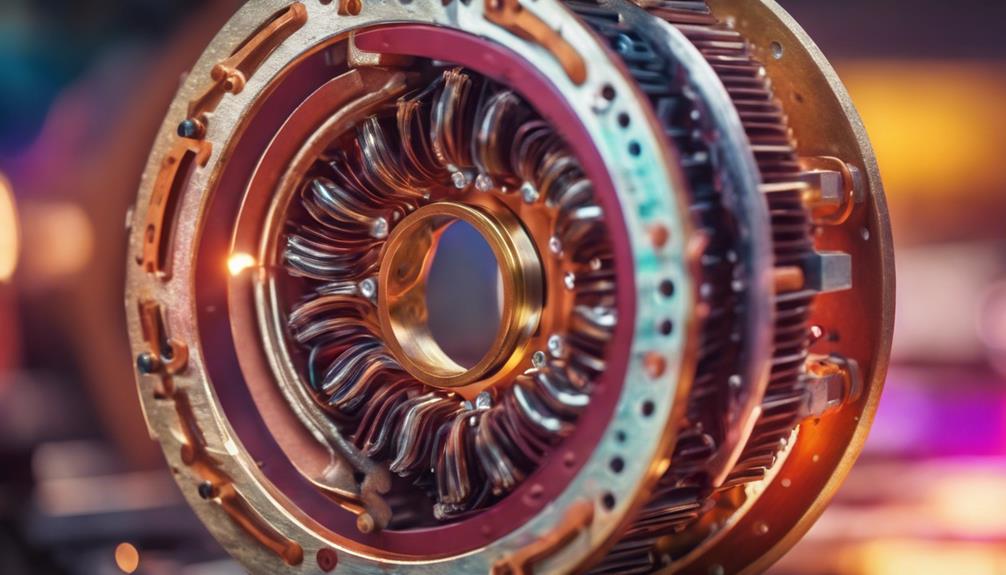
In electric motors, stators are essential for generating the magnetic fields that drive rotor movement and produce electricity. As the stationary component of electric motors and generators, the Stator plays a pivotal role in efficiently converting electrical energy into mechanical energy. Its design and materials directly impact the motor’s performance, efficiency, and stability.
By generating a consistent magnetic field, the Stator guarantees that the rotor can move smoothly, enhancing overall motor efficiency. The electromagnetic forces created within the Stator are vital to this process, as they determine the motor’s torque generation and power factor. High-quality materials like silicon steel and copper or aluminum windings are often used in stator construction to optimize these electromagnetic forces and improve the motor’s functionality.
Moreover, the station’s design parameters, such as the number of windings and the quality of materials, greatly affect the motor’s efficiency. A well-designed stator can reduce energy losses, leading to better performance and a longer lifespan for the motor.
Understanding the sStator’srole helps critical function in the seamless operation of electric motors and generators.
Magnetic Field Generation
Magnetic field generation within the Stator is vital for stabilizing the rotating magnetic field that drives the rotor’s motion. The Stator’s primary function is to convert electrical energy into mechanical energy by controlling the magnetic lines of force. The changing magnetic field generated within the Stator interacts with the sensor rotor, inducing movement and enabling the motor to perform its tasks.
To better understand how stators generate a rotating magnetic field, consider these points:
- Stator Coils: Electrical current flows through the stator coils, creating a magnetic field around each coil.
- Rotating Magnetic Field: TheStatorr is designed to stabilize these magnetic fields so that they rotate, typically using a three-phase power supply.
- Induced Motion: The rotating magnetic field interacts with the rotor, causing it to turn and produce mechanical movement.
Advancements in stator technology have greatly improved the efficiency and performance of electric motors. Modern materials and design techniques allow for more precise control of the magnetic field generation process, leading to better conversion of electrical energy into mechanical energy.
As a result, electric motors are now more reliable and effective across various industries. Focusing on the intricacies of stator design and its impact on magnetic field generation gives you a clearer picture of how essential stators are in electric motors.
Impact on Motor Performance
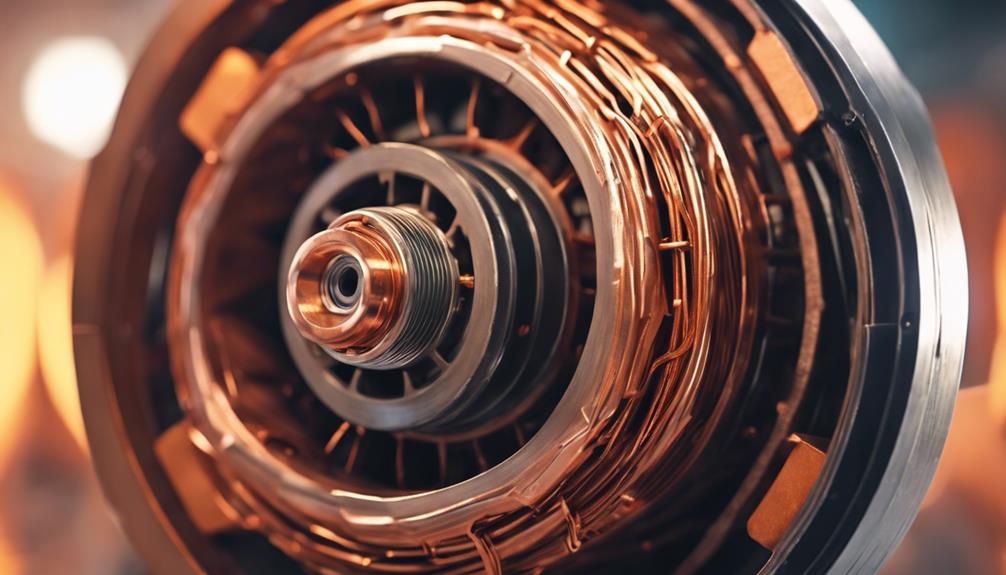
A well-designed stator greatly enhances motor performance and efficiency. The system’s design directly impacts the motor’s power output and efficiency by generating robust magnetic fields. This translates to better torque generation, which is critical for high motor performance.
Quality stator materials are essential in minimizing energy losses and avoiding motor damage. Inferior materials can lead to overheating and reduced efficiency, negatively affecting the motor’s overall stability and power factor. By selecting high-quality materials, you guarantee that the Stator efficiently converts electrical energy into mechanical energy, keeping the engine running smoothly.
Let’s look at key factors affecting motor performance:
| Factor | Impact on Efficiency | Impact on Power Output |
|---|---|---|
| Stator Design | Improved magnetic fields | Higher torque |
| Material Quality | Reduced energy loss | Stable performance |
| Overheating Prevention | Increased longevity | Consistent power |
| Design Parameters | Optimized functionality | Enhanced reliability |
| Electrical Energy Conversion | Lower operational costs | Efficient mechanical output |
Energy Efficiency
Focusing on stator optimization can boost your electric motor’s energy efficiency. Stators are pivotal in enhancing electric motor sustainability by improving efficiency and reducing energy loss. Advances in stator technology, like PCB stators, can achieve remarkable energy efficiency gains. These advanced designs optimize magnetic fields, leading to significant performance improvements.
By focusing on optimizing stators, you can:
- Reduce Energy Loss: PCB stators minimize energy loss through better magnetic field optimization, ensuring more efficient operation.
- Lower Raw Material Usage: Advanced stator designs use fewer raw materials, contributing to sustainability and reducing the motor’s weight.
- Enhance Performance: Optimized stators lead to substantial performance improvement, making electric motors more reliable and effective.
PCB stators are remarkable as they align with sustainability goals by reducing raw material usage and boosting efficiency. These stators help minimize energy loss, leading to cost savings and better management.
The performance gains from optimized stators make electric motors more efficient and eco-friendly. By focusing on stator optimization, you’re not just improving efficiency but contributing to a more sustainable future for electric motors.
Design Considerations
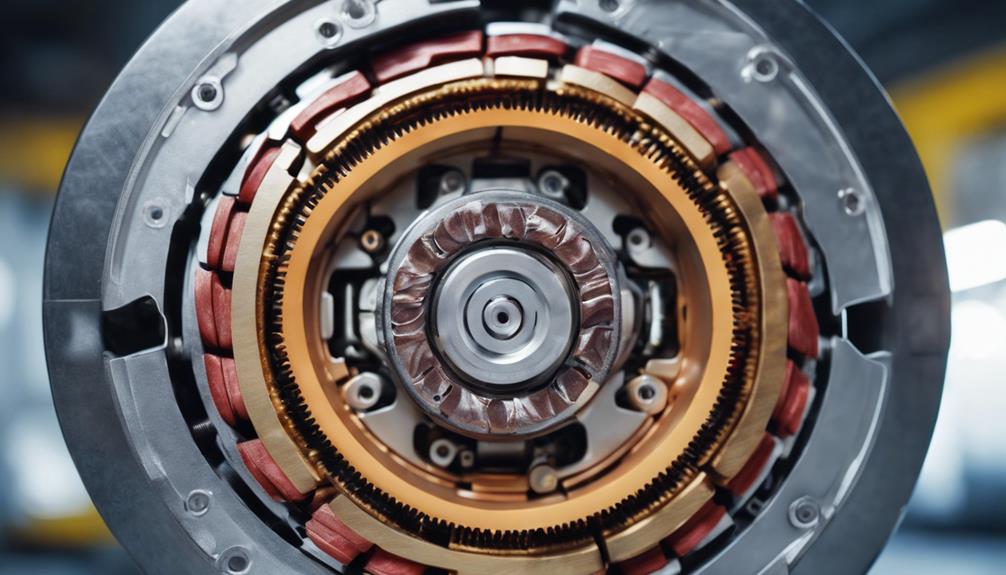
When considering stator design, you must prioritize material selection, such as silicon steel, to reduce eddy current losses.
Don’t overlook thermal management techniques to guarantee top performance and longevity.
Proper choices in these areas can greatly enhance motor efficiency and stability.
Material Selection Criteria
When selecting stator materials, it is crucial to prioritize low eddy current loss and high conductivity for peak motor performance. Silicon steel is a popular choice for stator cores due to its ability to minimize eddy current loss. This means your motor will run more efficiently and with less heat generation.
For the windings, you should consider copper or aluminum. Copper is preferred for its excellent conductivity, but aluminum can be used as a cost-effective alternative.
When designing yourStatorr, keep these three key factors in the minster
- e Diameter: The diameter of the wire affects the resistance and, consequently, the motor’s efficiency. Thicker wires generally offer lower resistance but take up more space.
- Winding Method: How the wire is wound around the core can significantly impactance. Different techniques can optimize space and minimize energy loss.
- Core Size: The size of the stator core must be balanced to ensure efficient magnetic field generation without unnecessary material use or weight.
Thermal Management Techniques
While selecting the right materials is important, incorporating effective thermal management techniques guarantees your Statorr maintains peak performance and longevity. By optimizing stator systems, you can dissipate heat more efficiently, ensuring that your motor runs smoothly. Stator design must consider materials selection with high thermal conductivity to enhance heat dissipation. This reduces the risk of overheating, which can profoundly impact motor performance.
Effective thermal management techniques include enhanced airflow optimization within the stator assemblies. By improving the airflow, operating temperatures can improve, contributing to the motor’s efficiency. Proper airflow not only cools the statStatort but also prevents hotspots that can cause damage over time.
Including robust cooling systems in your stator design is vital for preventing overheating. Depending on the motor’s application and thermal demands, these systems can vary from simple air-cooling fans to more complex liquid-cooling circuits. Keeping the staStatorol significantly extends the motor’s lifespan and maximizes its maximum potential.
Ultimately, focusing on thermal management techniques in your stator design is essential for achieving excellent motor performance and extending the durability of your electric motors.
Common Stator Materials
You’ll often encounter copper and aluminum for windings when considering common stator materials due to their excellent conductivity.
Additionally, laminated steel cores are used to minimize eddy current losses.
Understanding these materials and their properties helps you optimize motor efficiency and performance.
Copper Vs. Aluminum Windings
Choosing between copper and aluminum windings for stators hinges on efficiency, weight, and cost. Copper windings are renowned for their superior conductivity, making them more efficient in electric motor applications. This high level of conductivity translates to less energy loss and greater overall efficiency. Additionally, copper’s resistance to heat means it offers better thermal performance, which is important in high-stress environments.
On the other hand, aluminum windings are noticeably lighter than copper windings. This makes them ideal for applications where weight is a major concern, such as the automotive or aerospace industries. Aluminum is also more cost-effective, making it a preferred choice for budget-conscious projects.
Here’s a quick comparison:
- Efficiency: Copper windings excel due to higher conductivity, improving efficiency.
- Weight: Aluminum windings are lighter, making them suitable for weight-sensitive applications.
- Cost: Aluminum windings are more cost-effective and appealing for projects with tight budgets.
When deciding between copper and aluminum windings, you must evaluate your priorities. If efficiency and thermal performance are important, copper is the way to go. However, aluminum windings offer an excellent alternative if weight and cost are more significant factors.
Laminated Steel Core
After considering the pros and cons of copper and aluminum windings, it’s important to understand how laminated steel cores play a pivotal role in enhancing electric motor efficiency. Using a laminated steel core greatly reduces eddy current losses, a common source of energy wastage in motors.
By stacking thin layers of silicon steel sheets, manufacturers can enhance magnetic flux control and ensure that the magnetic fields are directed efficiently through the motor’s staStatorhis laminating process minimizes energy losses by isolating each layer, effectively reducing the path for estate rents and decreasing heat generation. As a result, the engine runs cooler and more efficiently, leading to better overall motor efficiency.
Silicon steel sheets are particularly advantageous because they offer high electrical resistance, further limiting eddy current formation. This aids in optimizing motor performance and reliability over the long term.
By incorporating laminated steel cores, you’re improving the motor’s efficiency and performance, reducing power wastage, and increasing its lifespan.
Stator Maintenance

Effective stator maintenance hinges on regular inspections of core-winding contacts, copper wire conditions, and insulation layers to spot potential issues early. By proactively addressing these areas, you can prevent common causes of stator failure, such as winding open or short circuits, aging copper wires, and damaged insulation.
Here are three essential repair methods to guarantee your staStatorerates smoothly:
- Continuity Tests: These tests check for electrical continuity in the windings, helping to identify open circuits that could lead to failure.
- Insulation ResistStatorests: These tests measure the resistance of the insulation layers to detect degradation or damage, preventing shorts and inefficiencies.
- Visual Inspections: Regularly examining core-winding contacts and copper wire conditions can reveal signs of wear and tear, allowing for timely repairs.
Proper stator maintenance isn’t just about spotting problems; it’s about preventing them before they escalate. Grounding tests and voltage output tests complement the primary repair methods, offering a holistic approach to maintenance.
Stator Vs. Rotor
In understanding electric motors, it’s important to distinguish between the staStatorhe stationary component, and the rotor, the part that rotates. When comparing StaStator. rotor, you’ll find that each plays an important role in generating mechanical power.
TStatortor is a critical, stationary part of the motor. It houses intricate windings thaStatorle high voltages and larger currents. These windings are better insulated and equipped with suStator cooling systems, making the staStatorrobust and significant component in various motors.
On the other hand, the rotor, the rotating part, is generally lighter and experiences lower friction losses. The simpliciStatorrotor windings compared to the staStator’smplexity stems from their differing functions. While the rotor moves to convert electrical energy into mechanical power, the staStator’simary function is to create a magnetic fieldStator’scilitates this rotation.
Both components are important in motors that power countless devices in our daily lives, from household to industrial machinery. Understanding StaStator. rotor helps you appreciate their distinct roles and how they work together to drive efficiency and reliability in electric motors.
Innovations in Stator Technology
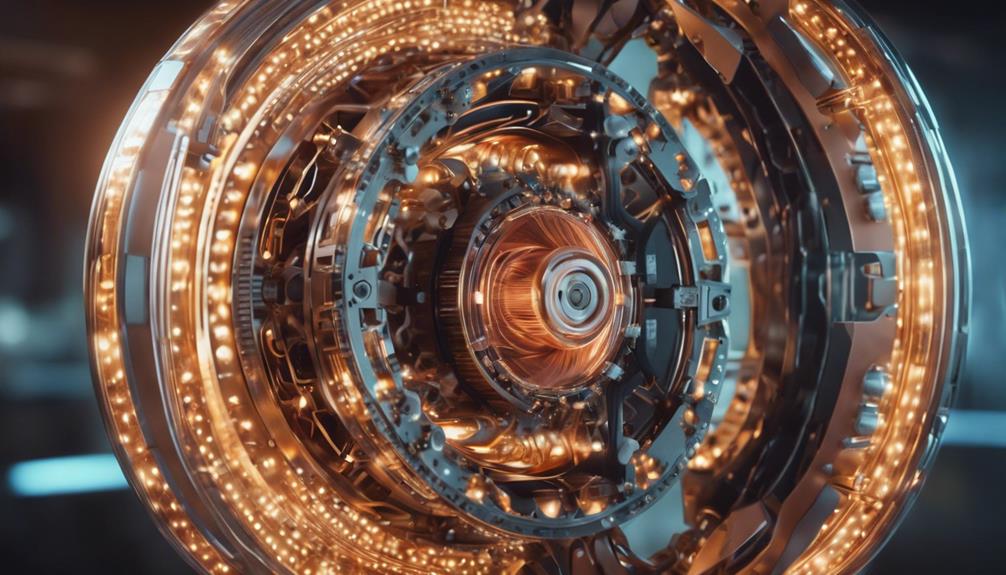
Building on the understanding of traditional stators, recent innovations like PCB Stator technology are revolutionizing electric motors by making them much lighter and more efficient. These advanced stators are up to 70% lighter than conventional options, aligning perfectly with sustainability goals by reducing raw materials and boosting electric motor system efficiency.
These innovations are particularly beneficial in industries where weight and efficiency are vital. For example, the aerospace and defense industries leverage lightweight electric motors for propulsion and energy conversion. These sectors demand high performance, and PCB Stator technology meets these requirements through advanced manufacturing techniques like CNC machining and precision grinding.
Here are three key benefits of PCB Stator technology:
- Lightweight Design: Up to 70% lighter, significantly reducing the overall motor weight.
- Enhanced Efficiency: Improves performance and aligns with sustainability goals.
- Precision Manufacturing: Uses advanced techniques to guarantee tight tolerances and exceptional performance.
Ongoing advancements in materials and engineering techniques continue to push the boundaries of what stators can achieve. As you explore the world of electric motors, understanding these innovations in stator technology will give you a clear edge in optimizing efficiency and performance across various applications.
Conclusion
To conclude, you’ve seen how crucial stators are to the performance and efficiency of electric motors. They generate the essential magnetic fields that keep the motor running smoothly.
Your understanding of their design, materials, and maintenance can significantly impact motor longevity and effectiveness. So, always prioritize quality and innovation in stator technology to guarantee your electric motors operate at their best.
Don’t underestimate the power of a well-designed stator!
FAQs
What is a stator, and what role does it play in an electric motor?
The spectator is the stationary part of an electric motor and plays a critical role in the motor’s operation. It consists of windings or coils that create a magnetic field when electric current flows through them. This mutator field interacts with the rotor (the moving part of the motor), causing it to turn and generate mechanical motion. The staStator’ssign and efficiency directly influence the motor’s performance, making it a crucial component in converting electrical energy into mechanical energy.
Key Functions:
- Magnetic Field Generation: Produces the sensor’s field that drives the rotor.
- Stationary Component: Provides a stable framework for the motor’s operation.
- Energy Conversion: Facilitates the conversion of electrical energy into mechanical motion.
Why is the design of the staStatorportant in electric motors?
The design of the staStator crucial because it affects the motor’s efficiency, power output, and overall performance. Factors like the number of windings, the type of core mateStatorand the precision of construction can impact how Statorively the staStatornerates a magnetic field and interacts with the rotor. A well-designed stator reduces energy losses, minimizes heat generation, and ensures that the motor operates smoothly and reliably under various loadStatortions.
Design Importance:
- Efficiency: Affects the motor’s ability to convert energy with minimal losses.
- Power Output: Influences the amount of mechanical power the motor can produce.
- Reliability: Ensures consistent performance and longevity of the motor.
How does the staStatorntribute to the overall efficiency of an electric motor?
The staStatorntributes to an electric motor’s overall efficiency by optimizing the generation and use of the magnetic field. High-quality materialsStatorrecise winding techniques can reduce resistance and minimize eneStatorsses, leading to more efficient operation. Additionally, the staStator’soling system, if well-designed, can effectively dissipate heat, preventing overheating and ensuring the motor runs at optimal efficiency.
Efficiency Contributions:
- Reduced Energy Losses: High-quality materials minimize resistance.
- Effective Cooling: Proper cooling design prevents overheating and maintains efficiency.
- Optimized Magnetic Field: Ensures maximum interaction with the rotor for efficient energy conversion.