Unveiling the Secrets of Hysteresis Motors
Hysteresis motors are a lesser-known yet highly efficient type of electric motor. They operate on the principle of hysteresis, which involves the lagging of a material’s magnetization behind the changing magnetic field. This unique design offers several advantages, making hysteresis motors a valuable component in various applications. This article will delve into the workings of hysteresis motors, their applications, and the benefits they offer.
Hysteresis Motor Operation

Hysteresis motor operation relies on a fascinating principle known as hysteresis. In this process, a rotating magnetic field generated by the stationary stator induces a delayed magnetization in the rotor due to the material’s hysteresis effect. This phase lag creates a torque, propelling the rotor into smooth and continuous motion. The operation of hysteresis motors is characterized by precision and quietness, making them an ideal choice for applications where smooth, vibration-free rotation is essential.
The Principle of Hysteresis
At the heart of the hysteresis motor lies the concept of hysteresis. Hysteresis refers to the tendency of a material to “remember” the magnetic field it has been exposed to. When a magnetic field is applied to a material, it becomes magnetized and retains some magnetic properties even after removing the field. This magnetization lags behind the changes in the external magnetic field, resulting in a phase shift.
Basic Components
Hysteresis motors are relatively simple in design, consisting of two main components:
- Stator: The stator is the stationary part of the motor. It typically consists of a laminated core made of a magnetizable material. The stator generates a rotating magnetic field, which drives the rotor.
- Rotor: The rotor is the moving part of the motor. It is a cylindrical core made of a hysteresis material. The rotor is placed inside the stator, and the rotor material’s phase lag results in its rotation.
Working Mechanism
The operation of a hysteresis motor can be summarized in the following steps:
- Initialization: The rotor is initially at rest. The stator generates a rotating magnetic field.
- Magnetization Lag: As the stator’s magnetic field rotates, the rotor lags in magnetization due to hysteresis, creating a torque that causes it to follow the magnetic field.
- Continuous Rotation: The rotor continues to rotate as long as the stator’s magnetic field is active. The rotation speed depends on the frequency of the applied AC.
Applications of Hysteresis Motors

Hysteresis motors find applications in various industries due to their unique operating characteristics. Some notable applications include:
Clocks and Watches
Hysteresis motors are commonly used in analog clocks and watches. Their precise and continuous rotation makes them ideal for displaying time accurately. Additionally, their silent operation is appreciated in such timekeeping devices.
Optical Instruments
Stable and vibration-free rotation is crucial in certain optical instruments, like telescopes and microscopes. Hysteresis motors provide this stability, enabling precise adjustments without causing disturbances to the viewing experience.
Air Conditioning Systems
Hysteresis motors are used in air conditioning systems to control damper actuators, which regulate airflow and temperature. The motors’ ability to operate quietly and efficiently is advantageous for maintaining a comfortable indoor environment.
Robotics
Hysteresis motors find applications in robotics, where they are used for fine movements and precision adjustments. These motors are favored for their low noise and minimal vibration, making them suitable for tasks that require accuracy.
Scientific Instruments
In scientific research, where precision is paramount, hysteresis motors are used in various instruments, such as spectrometers and laboratory equipment. Their ability to rotate without introducing vibrations ensures accurate measurements.
Advantages of Hysteresis Motors

Hysteresis motors offer several advantages that set them apart from other types of electric motors:
High Precision
One of the most significant advantages of hysteresis motors is their exceptional precision. They provide smooth, continuous rotation without the vibration or jerky movements often seen in other motor types. This precision is invaluable in applications where accuracy is crucial, such as scientific instruments and optical devices.
Quiet Operation
Hysteresis motors are known for their quiet operation. They generate minimal noise and vibration, making them suitable for applications where noise reduction is essential, such as clocks, watches, and air conditioning systems.
Longevity
Due to their simple design with no brushes or commutators, hysteresis motors tend to have a longer lifespan. With fewer moving parts, less wear and tear results in extended durability and minimal maintenance requirements.
Energy Efficiency
Hysteresis motors are energy-efficient, as they don’t experience significant energy losses through friction or electrical resistance. This efficiency is crucial in applications where energy conservation is a priority.
Low Maintenance
Thanks to their robust design, hysteresis motors require minimal maintenance. Their longevity and reliable performance translate into cost savings over the long term.
Hysteresis Motor Variants
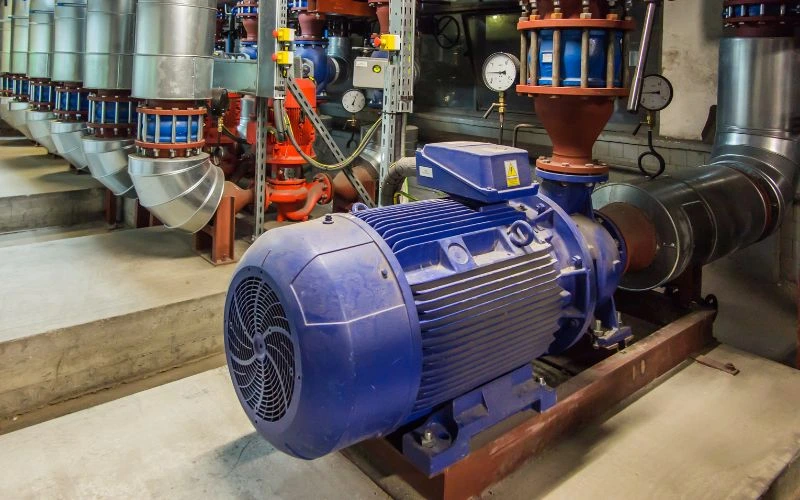
While the basic hysteresis motor operates on the above principles, some variations and enhancements cater to specific applications and requirements. Some of these variants include:
Single-Phase Hysteresis Motor
Single-phase hysteresis motors are designed to work with single-phase AC power. They are commonly used in household appliances, such as electric fans and record players. Their simplicity and reliability make them a cost-effective choice for low-power applications.
Multi-Speed Hysteresis Motor
Multi-speed hysteresis motors are equipped with multiple windings or stator configurations. This design allows the motor to run at different speeds, providing versatility in applications like turntables and microwave ovens, where multiple speed settings are required.
Variable Reluctance Hysteresis Motor
Variable reluctance hysteresis motors combine the principles of variable reluctance motors with hysteresis effects. These motors provide more precise control over speed and position, making them suitable for applications such as robotics and automation systems.
High-Temperature Hysteresis Motor
High-temperature hysteresis motors are used in environments where high temperatures are a concern. They are designed to withstand elevated temperatures without a significant reduction in performance. These motors find applications in industrial ovens and furnaces.
Conclusion
In conclusion, hysteresis motors are a fascinating and highly efficient technology that excels in applications requiring precision, quiet operation, and durability. Their unique operating principle based on hysteresis sets them apart from other motor types, making them a valuable choice in various industries. Understanding their advantages and limitations is essential for making informed decisions when selecting a motor for specific applications.
FAQs
1. Are hysteresis motors suitable for high-torque applications?
Hysteresis motors are not typically used for high-torque applications. They are better suited for low-power, high-precision tasks where quiet and continuous rotation is essential. Other motors, such as stepper or induction motors, are more appropriate for high-torque requirements.
2. Can hysteresis motors be controlled easily?
Hysteresis motors can be controlled effectively using AC voltage at the appropriate frequency. The speed and direction of rotation can be adjusted by changing the frequency of the applied AC signal. However, precise control may be limited compared to other motor types, making them best suited for applications where exact speed control is not critical.
3. How do hysteresis motors compare to stepper motors regarding precision?
Hysteresis motors are known for their high precision, but stepper motors can offer even finer control in certain applications. Stepper motors move in discrete steps, making them suitable for applications where precise position control is essential. On the other hand, Hysteresis motors provide continuous and smooth rotation, which may be more suitable for applications requiring smooth motion rather than discrete steps.