Cyclo Converters – Exploring Types, Principles, and Applications
In the world of power electronics, cyclo converters are an intriguing and versatile technology. These devices offer a unique way to convert electrical energy from one frequency to another, making them indispensable in various industrial applications. In this comprehensive guide, we’ll delve into the world of cycloconverters, exploring their types, working principles, and wide-ranging applications.
Introduction to Cyclo Converters
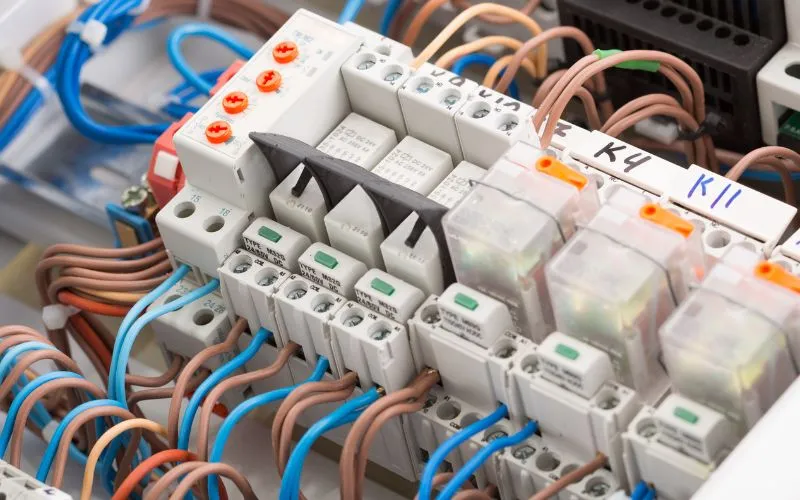
Cyclo converters are advanced electronic devices that alter the frequency of alternating current power. Unlike conventional frequency converters, they offer a direct and efficient means of changing one frequency into another. These versatile devices have applications in various industrial sectors due to their precise frequency control capabilities.
What is a Cyclo Converter?
A cyclo converter is an electronic device that converts alternating current (AC) power at one frequency to AC power at another frequency. Unlike traditional frequency converters that use rectification and inversion stages, cycloconverters perform this conversion directly, making them highly efficient for specific applications.
Why Do We Need Cyclo Converters?
Cyclo converters find their utility when precise control over the output frequency is essential. They are especially valuable in industries where speed control of electric motors or power conversion for specialized machinery is required.
Cyclo Converter Basics
At the heart of a cyclo converter lies an intricate arrangement of thyristors, enabling controlled switching to achieve precise frequency conversion. This basic schematic minimizes energy losses, resulting in high overall efficiency. Cyclo converters are known for their robust design and reliability, making them suitable for demanding industrial environments.
Cyclo Converter Basic Schematic
The basic schematic of a cyclo converter consists of multiple thyristors connected intricately, allowing for controlled switching of power devices to achieve the desired output frequency. These devices work in a synchronized manner to perform the frequency conversion.
Characteristics of Cyclo Converters
- Precise Frequency Conversion: Cyclo converters offer precise control over output frequency, making them ideal for applications requiring variable-speed drives.
- High Efficiency: Their direct conversion approach minimizes energy losses, resulting in high overall efficiency.
- Robust and Reliable: Cyclo converters are known for their robust design and reliability, making them suitable for industrial environments.
Types of Cyclo Converters
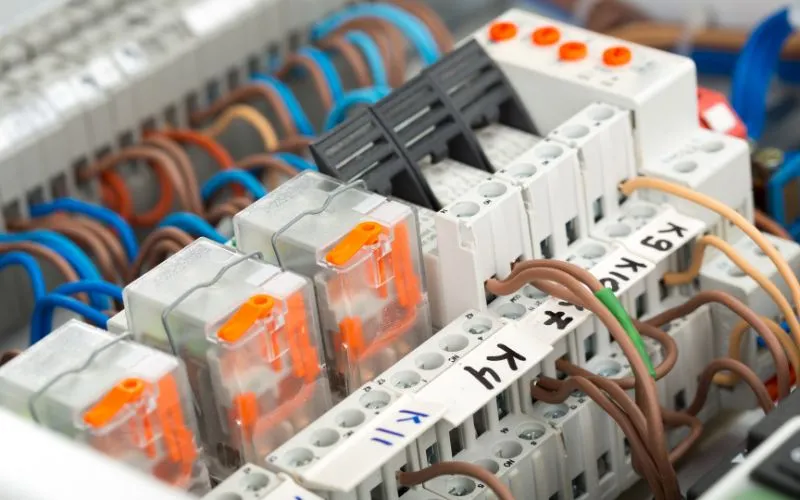
Cyclo converters come in two primary types: step-up and step-down. Step-up cyclo converters increase the output frequency from a lower input frequency, while step-down cyclo converters reduce the output frequency from a higher input frequency. These variations cater to different applications, allowing for flexibility in power conversion.
Step-Up Cyclo Converters
Step-up cyclo converters are designed to increase the output frequency from a lower input frequency. They are commonly used in applications where boosting the frequency is necessary for efficient operation.
Step-Down Cyclo Converters
Conversely, step-down cyclo converters are configured to reduce the output frequency from a higher input frequency. These converters are employed when decreasing the frequency is required for specific applications.
Principles of Operation
Cyclo converters operate on principles that depend on the input and output configurations. Single-phase to single-phase cyclo converters are employed for single-phase systems, while three-phase to single-phase converters and three-phase to three-phase converters are used for precise frequency conversion in their respective setups. These principles are fundamental to understanding how cyclo converters function.
Single Phase to Single Phase Cyclo Converters
Single-phase to single-phase cyclo converters are used when converting power between single-phase AC systems with different frequencies. They can be found in appliances and equipment requiring variable speed control.
Three-Phase to Single-Phase Cyclo Converters
These cyclo converters convert power from a three-phase AC supply to a single-phase AC output with a different frequency. They are often used in industries requiring single-phase equipment, but the main supply is three-phase.
Three Phase to Three Phase Cyclo Converters
Three-phase to three-phase cyclo converters are employed when precise frequency conversion is needed for three-phase systems. Industries such as manufacturing and aerospace commonly rely on these converters for motor control and other applications.
Applications of Cyclo Converters

Cyclo converters have extensive applications in industries requiring precise frequency control and efficient power conversion. They are essential for industrial motor drives, frequency conversion in communication systems, and power quality improvement in critical applications. Their versatility ensures their relevance across various sectors.
Industrial Motor Drives
Cyclo converters are vital in industrial motor drives, where precise motor speed and torque control are essential. These converters enable efficient operation and precise control in manufacturing, robotics, and HVAC systems.
Frequency Conversion
Cyclo converters excel in applications requiring power conversion from one frequency to another. They are used in equipment like radar, communication, and medical devices where frequency synchronization is critical.
Power Quality Improvement
Cyclo converters can enhance power quality by eliminating harmonic distortions and voltage fluctuations. They find application in industries where maintaining a stable and clean power supply is crucial.
Advantages and Disadvantages
Advantages of Using Cyclo Converters
- Precise Frequency Control: Cyclo converters offer precise and flexible frequency control, making them suitable for various applications.
- High Efficiency: Their direct conversion approach minimizes energy losses, resulting in high efficiency.
- Robust Design: Cyclo converters are known for their durability and reliability in demanding industrial environments.
Disadvantages and Limitations
- Complex Design: The intricate configuration of thyristors and associated circuitry make cyclo converters challenging to design and maintain.
- Limited to Specific Applications: Cyclo converters are best suited for applications requiring precise frequency conversion and unsuitable for all power conversion needs.
Conclusion
In conclusion, cyclo converters are a fascinating and valuable technology in power electronics. Their ability to provide precise frequency conversion, high efficiency, and reliability makes them indispensable in various industrial applications. Understanding the types, principles of operation, and applications of cyclo converters can help engineers and professionals harness their full potential in power systems and control.
FAQs
How does a cyclo converter work?
Cyclo converters use controlled thyristor switches to create specific phase angles in the output waveform, resulting in the desired output frequency.
What are the key advantages of using cycloconverters?
The key advantages of cycloconverters include precise frequency control, high efficiency, and a robust design suitable for industrial environments.
Are there any limitations to cyclo converters?
Yes, cyclo converters have limitations, including their complex design and suitability for specific applications. They may not be the best choice for all power conversion needs.
Related Articles