Control of Over Voltages Due to Switching
In modern power systems, switching operations play a vital role in controlling electrical circuits, transferring power, and maintaining system stability. However, these switching actions can introduce various challenges, particularly when improperly executed. This article examines the importance of managing the challenges associated with switching operations and discusses effective strategies to ensure a smooth and reliable electrical grid.
Control of overvoltages is crucial for ensuring the quality of suppression within electrical distribution systems. Products designed for this purpose often include protection circuits, fuses, and circuit breakers. Factors such as line voltage, duration, and magnitude of the over-voltage influence the type and value of components used. Zener diodes and other electronic components help manage the flow and ensure system reliability. Case examples from Germany, France, and Japan illustrate regional differences in approach.
In the context of electrical systems, the control of overvoltages is crucial for ensuring the protection and longevity of sensitive devices. Over-voltage conditions can cause significant damage to equipment, especially in circuits involving power supplies and electronics. Effective suppression mechanisms, such as circuit breakers and fuses, are designed to mitigate these risks by interrupting the flow during excess voltage events. The quality of the protection system is critical, as it ensures the system’s response is timely and precise, preventing potential harmonics or distribution issues. Additionally, the control circuit must be robust, accounting for regional voltage variations and specific location requirements. With the right combination of protection devices and measurement tools, electrical systems can function securely, maintaining line voltage within safe limits and optimizing operational efficiency across different regions. This approach reduces the risk of electrical problems and enhances system stability.
Controlling Switching Surges & Overvoltages
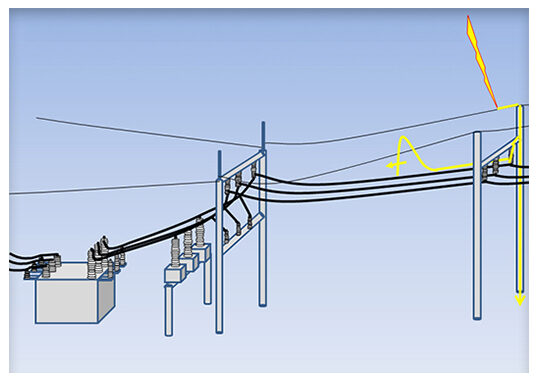
Switching surges cause overvoltages on the line and must be controlled effectively to protect the cable and connected equipment. The following methods can accomplish this:
Insertion of resistors
Normally, a resistor R is in series with circuit breaker contacts inserted while switching on, but it short-circuits the next few cycles. This reduces the transients that cause overvoltages during breaker switching.
Phase-controlled closing of breakers
Overvoltages must be avoided by independently controlling the particular instances of terminating the 3-phase supply. However, this requires complicated monitoring equipment and is, hence, not considered for adoption.
Drainage of trapped charge before re-closing the breakers
At times when lines are quickly switched off, the residual electric charge may be absent on capacitors and transmission line conductors. This electric charge tends to leak through the insulators to the ground. Normally, it is practiced to insert resistors into a ground or ill series with shunt reactors and take them away before the termination of the switches.
Usage of shunt reactors
Shunt reactors are installed on EHV lines to restrict the voltage rise caused by the Ferranti Effect. However, there would be some oscillations in the power network at that time, and the insertion of resistance in series with reactors will suppress the change and restrict the overvoltages.
Restraining switching surges by appropriate surge diverters
Connecting suitably rated surge diverters or lightning arresters would help drain the energy caused by overvoltage to the ground and suppress the overvoltage.
Understanding Overdue in Switching Power
In switching power systems, overvoltage encompasses various undesirable phenomena, such as:
- Switching Transients During switching events, rapid changes in voltage and current can cause transient overvoltages, which can stress components and cause electromagnetic interference.
- Sudden changes in load conditions can result in current spikes, potentially exceeding safe operating limits and leading to device failures.
- Resonance Effects Interactions between inductance, capacitance, and resistance in the circuit can trigger resonance, leading to oscillations and voltage overshoots.
- Electromagnetic Interference (EMI) can occur when rapid switching generates high-frequency noise, potentially causing EMI issues and interfering with nearby electronic systems.
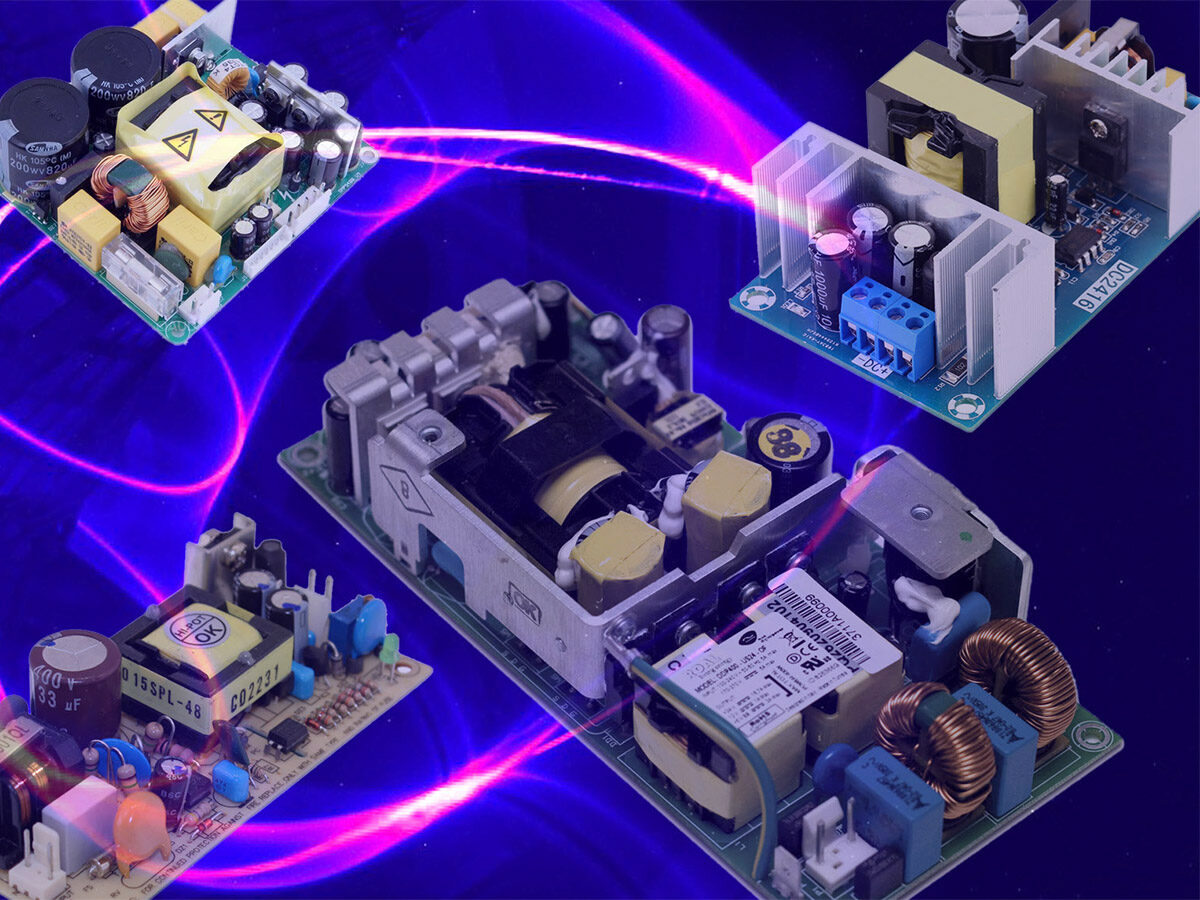
Managing Overdue Challenges
- Soft Switching Techniques Implementing gentle switching methods, such as zero-voltage switching (ZVS) and zero-current switching (ZCS), minimizes voltage and current spikes during transitions. This reduces stress on components and mitigates EMI concerns.
- Snubber Circuits Adding snubber circuits helps dampen transient overvoltages and ringing, protect sensitive components, and reduce EMI emissions.
- Active Gate Drivers Utilizing high-performance gate drivers ensures fast and precise control over switching transitions, minimizing switching losses, and reducing downtime.
- Properly distributing the load across multiple power converters prevents sudden current imbalances, thereby avoiding current spikes and enhancing system stability.
- Adaptive control algorithms enable the system to adjust switching parameters in real-time based on load conditions, thereby optimizing efficiency while minimizing overdues.
- Implementing effective filtering and shielding techniques reduces EMI, prevents interference with other systems, and ensures compliance with electromagnetic compatibility (EMC) standards.
- Thermal management is crucial, as Efficient cooling mechanisms prevent overheating during high-frequency switching, thereby maintaining component integrity and extending system lifespan.
Advantages of Managing Overdue in Power Systems

Improved Component Reliability
Effectively managing overdue items reduces stress on electronic components, leading to increased reliability and longer lifespans for critical components, such as power transistors, capacitors, and inductors.
Enhanced Efficiency
By minimizing voltage and current spikes, soft switching techniques and adaptive control algorithms optimize the system’s efficiency, reducing power losses and improving overall energy efficiency.
Reduced Electromagnetic Interference (EMI)
Properly managing overdue items helps control high-frequency noise and EMI emissions, ensures compliance with electromagnetic compatibility (EMC) standards, and minimizes interference with nearby electronic systems.
Enhanced System Stability
Mitigating overdue issues, such as resonance effects and current spikes, enhances the stability of the switching power system, thereby reducing the chances of system failures and unexpected shutdowns.
Higher Power Density
Effective overdue management enables higher power density designs, resulting in more compact and lightweight power systems that do not compromise performance and reliability.
Increased Flexibility
The switching power system can adjust to changing load conditions by employing adaptive control algorithms, making it more flexible and versatile in various applications.
Cost Savings
Improved component reliability and reduced power losses result in cost savings throughout the system’s lifetime, as maintenance and replacement costs are minimized.
Compliance with Safety Standards
Implementing proper switching control techniques helps meet safety standards and regulations, ensuring that the system operates within safe operating limits even under dynamic load conditions.
Improved System Performance
Managing overdue leads to smoother switching transitions and reduced transient effects, resulting in better system performance and responsiveness.
Future-Proofing
By effectively addressing overdue challenges, the switching power system becomes more resilient to potential system upgrades and future advancements, allowing it to accommodate new technologies without requiring major redesigns.
Facts: Overdue Challenges in Switching Power Systems
Facts about Managing Overdue Challenges in Switching Power Systems define:
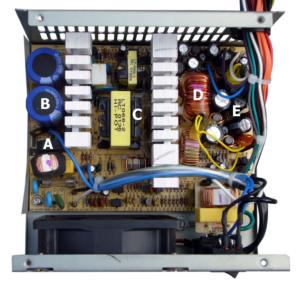
High-Frequency Switching and EMI
- Switching at high frequencies generates electromagnetic interference (EMI).
- EMI can interfere with other electronic components and systems.
- Managing EMI is crucial for ensuring regulatory compliance and proper device functioning.
Power Losses and Efficiency
- Power devices and passive components experience losses during conversion.
- Improving efficiency to reduce energy wastage is a priority.
Thermal Management
- Switching power systems generate significant heat during operation.
- Proper thermal management is crucial for preventing overheating and ensuring reliability.
Size and Weight Reduction
- Demands for smaller and lighter electronic devices necessitate a size reduction.
- Optimizing circuit designs and using advanced materials are essential.
Noise and Ripple
- Noise and ripple in the output voltage and current can disturb sensitive components.
- Minimizing noise and ripple is vital for a stable power supply.
Wide Load Range Efficiency
- Achieving high efficiency across the load range is challenging.
- Focus on improving efficiency at full load and light/heavy load conditions.
Reliability and Aging
- Components experience wear and aging over time, which affects their reliability.
- Rigorous reliability analysis and stress testing are crucial for longevity.
Integration and Compatibility
- Power systems need to interface with various devices and technologies.
- Ensuring seamless integration and compatibility is vital.
Conclusion
Though often transient, overvoltages can have significant and damaging effects on electrical systems and equipment. Understanding the causes, such as lightning strikes, switching operations, and fault conditions, is crucial for implementing effective protection strategies. Utilizing devices such as surge arresters, protective relays, and grounding systems can mitigate the impact of overvoltages, thereby ensuring the safety and longevity of electrical installations. Regular monitoring and maintenance are also crucial for identifying potential risks and addressing them promptly. By adopting comprehensive protection measures, industries and households can safeguard their electrical infrastructure against the adverse effects of overvoltages, maintaining operational efficiency and safety.
FAQs
1. What are overvoltages in electrical systems?
Overvoltages are electrical surges or spikes that exceed a system or device’s normal operating voltage. These sudden increases in voltage can damage electrical equipment and pose safety risks. Overvoltages can be transient (short-term) or sustained (long-term).
2. What are the common causes of overvoltages?
Common causes of overvoltages include:
- Lightning Strikes: Direct or nearby lightning strikes can induce high-voltage surges in electrical systems.
- Switching Operations: Sudden switching on or off large loads or circuits can cause transient overvoltages.
- Faults, such as short circuits, grounding issues, or insulation failures, can lead to overvoltages.
- Resonance: Electrical resonance in circuits can cause voltage spikes.
- Electrostatic Discharges: Sudden discharges of static electricity can result in overvoltages.
3. What are the effects of overvoltages on electrical systems?
The effects of voltages on electrical systems can be severe and include the following:
- Equipment Damage: High voltage surges can damage or destroy electrical components, such as transformers, motors, and electronic devices.
- Insulation Breakdown: Overvoltages can exceed the insulation strength of cables and equipment, leading to breakdowns and short circuits.
- Fire Hazards: Excessive heat generated by overvoltages can cause fires.
- Operational Disruptions: Overvoltages can lead to system malfunctions, shutdowns, or reduced performance of electrical devices.
- Safety Risks: Increased risk of electric shocks and hazards to personnel.
4. How can overvoltages be prevented or mitigated?
There are several methods to prevent or mitigate overvoltages:
- Surge Protectors: Devices like surge protectors and surge arresters can absorb and divert excess voltage away from sensitive equipment.
- Grounding: Proper grounding systems can help dissipate excess voltage safely into the ground.
- Voltage Regulators: Automatic voltage regulators can maintain a constant voltage level, protecting against fluctuations.
- Lightning Protection Systems: Installing lightning rods and grounding systems can protect buildings and electrical systems from lightning-induced surges.
- Isolation Transformers: These transformers can isolate sensitive equipment from the main power supply, reducing the impact of overvoltages.
5. What is the role of surge arresters in protecting against overvoltages?
Surge arresters play a crucial role in protecting electrical systems from overvoltages. They are devices designed to:
- Divert Surges: When an overvoltage occurs, surge arresters divert the excess voltage to the ground, preventing it from reaching and damaging equipment.
- Clamp Voltage: They limit the peak voltage to a safe level, protecting insulation and components from breakdown.
- Absorb Energy: Surge arresters absorb the energy from voltage spikes, reducing the risk of equipment damage.
6. How does proper grounding help in mitigating overvoltages?
Proper grounding helps mitigate overvoltages by providing a low-resistance path for excess voltage to dissipate safely into the earth. This helps to:
- Protect Equipment: Prevents overvoltages from reaching sensitive equipment.
- Enhance Safety: Reduces the risk of electric shocks and fire hazards.
- Stabilize Voltage Levels: Maintains consistent voltage levels and prevents fluctuations.
7. Can overvoltages occur in both AC and DC systems?
Overvoltages can occur in AC (alternating current) and DC (direct current) systems. While the causes and effects are similar, the protection methods may vary slightly due to the different characteristics of AC and DC systems. Both systems require appropriate surge protection measures to ensure safety and reliability.
Understanding the causes, effects, and protection methods for overvoltages is essential for maintaining the safety and reliability of electrical systems and preventing damage to equipment and potential hazards.