A Guide to Characteristics of Op-Amp in Electronic Circuit Design
Operational amplifiers, commonly known as op-amps, are foundational components in electronic circuits, playing a pivotal role in signal processing and amplification. Understanding the characteristics of op-amps is essential for engineers and enthusiasts alike, as these components influence the performance of various electronic systems. In this comprehensive guide, we delve into the key characteristics of op-amps, providing insights that will enhance your grasp of these versatile devices.
Voltage Offset and Drift

Voltage offset in op-amps, the small voltage between input terminals when shorted, impacts precision. Minimizing drift, the change in offset over temperature ensures stability across various operating conditions.
Voltage Offset
One of the fundamental characteristics of op-amps is voltage offset, which refers to the small voltage between the input terminals when shorted. This offset can lead to signal processing inaccuracies, affecting the amplifier’s precision. Op-amps with low voltage offset are preferred for applications where precision is critical, such as in instrumentation amplifiers.
Voltage Drift
Voltage drift is another crucial aspect, representing the change in offset voltage over temperature variations. Op-amps with minimal voltage drift ensure stability and accuracy across various operating conditions, making them suitable for diverse environments.
Common-Mode and Differential Modes
Op-amps operate in common-mode and differential modes. Common-Mode Rejection Ratio (CMRR) measures the ability to reject unwanted signals at both inputs, which is crucial for real-world performance and interference rejection.
Common-Mode Rejection Ratio (CMRR)
Op-amps exhibit both common-mode and differential modes of operation. CMRR measures an op-amp’s ability to reject common-mode signals, which are present at both input terminals. A higher CMRR indicates better rejection of unwanted common-mode signals, enhancing the amplifier’s performance in real-world scenarios.
Differential Input Resistance
The differential input resistance of an op-amp is a crucial characteristic that affects its response to differential input signals. High differential input resistance ensures efficient signal amplification and is particularly important in applications where input impedance matching is essential.
Open-Loop and Closed-Loop Configurations
Op-amps function in open-loop and closed-loop configurations. Open-loop gain (A_OL) provides substantial amplification, while closed-loop configurations, using feedback networks, allow precise control over gain for tailored applications.
Open-Loop Gain
Op-amps operate in open-loop and closed-loop configurations. Open-loop gain, denoted as A_OL, represents the amplification factor when no feedback is applied. While high open-loop gain provides significant amplification, it makes the circuit more susceptible to noise and instability.
Closed-Loop Configurations
Closed-loop configurations, achieved through feedback networks, help control the op-amp’s gain and tailor it to specific applications. Common closed-loop configurations include inverting, non-inverting, and differential amplifiers, each offering unique advantages based on the desired output characteristics.
Slew Rate and Bandwidth
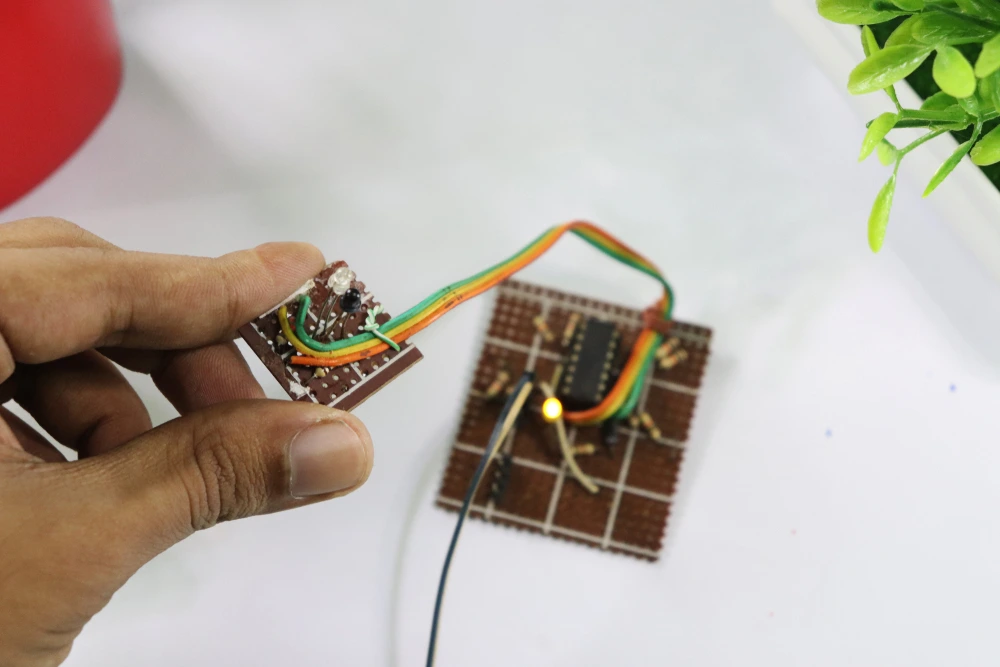
The slew rate defines how fast an op-amp responds to input changes. High slew rates are vital for high-frequency applications. Bandwidth, the range of frequencies for effective amplification, complements slew rate considerations in optimizing performance.
Slew Rate
The slew rate is a critical parameter that defines how fast an op-amp can respond to rapid changes in input signals. It is expressed in volts per microsecond (V/µs). High slew rates are essential for applications involving high-frequency signals, ensuring the op-amp can keep up with rapid changes without distortion.
Bandwidth
The bandwidth of an op-amp is another crucial characteristic, representing the range of frequencies over which the amplifier can provide significant signal amplification. Understanding the relationship between bandwidth and slew rate is essential for selecting op-amps that meet the specific frequency requirements of a given application.
Noise and Distortion
Op-amps contribute to circuit noise. Low input noise is critical for preserving signal integrity. Managing harmonic distortion ensures faithful reproduction in applications like audio amplification.
Input Noise
Op-amps contribute to the overall noise in a circuit, and understanding input noise characteristics is vital for applications where low noise is critical. Op-amps with low input noise ensure that the signal-to-noise ratio remains favorable, preserving the integrity of the amplified signal.
Harmonic Distortion
Harmonic distortion involves altering the input signal’s waveform, introducing unwanted harmonics. Minimizing harmonic distortion is essential for applications like audio amplification, where fidelity is paramount. Op-amps with low harmonic distortion are preferred in such scenarios.
Power Supply Rejection Ratio (PSRR)
PSRR reflects an op-amp’s sensitivity to power supply variations. High PSRR ensures stable performance despite power fluctuations, making it crucial for applications demanding consistent performance.
Power Supply Sensitivity
The power supply rejection ratio (PSRR) measures an op-amp’s sensitivity to variations in the power supply voltage. Op-amps with high PSRR are less affected by fluctuations in the power supply, ensuring stable performance in real-world applications where power conditions may vary.
Dual Power Supply Operation
Some op-amps can operate with dual power supplies, allowing for positive and negative voltage rails. This capability is advantageous in applications requiring amplifying positive and negative signals or those demanding a wider output voltage swing.
Input and Output Impedance
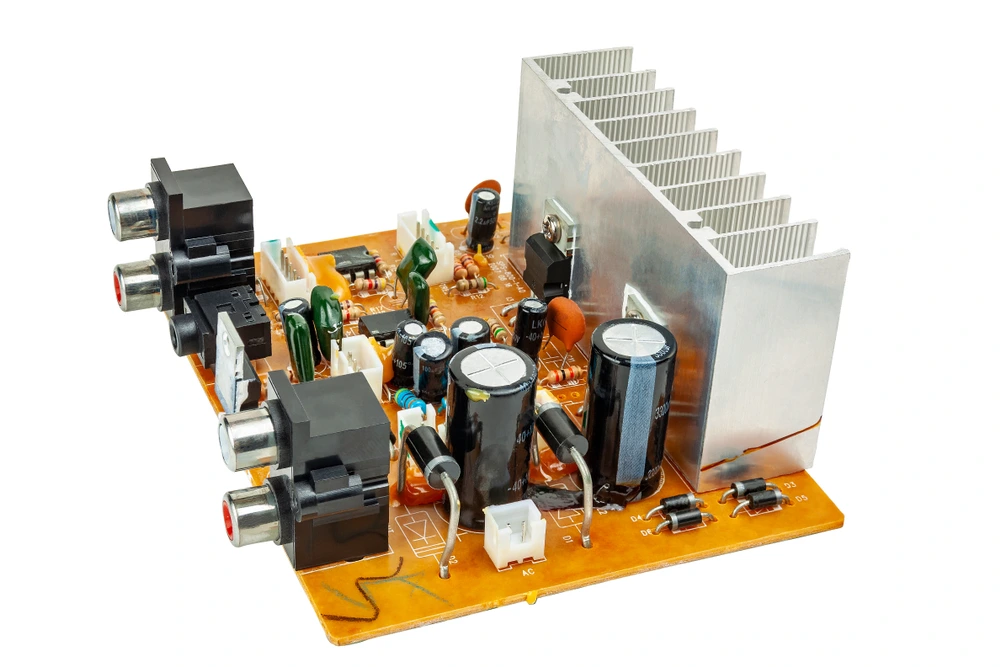
High input impedance minimizes signal source loading. Low output impedance facilitates efficient signal transfer to connected loads, which is crucial for maintaining signal integrity throughout the circuit.
High Input Impedance
Op-amps typically exhibit high input impedance, minimizing the loading effect on the source signal. High input impedance is advantageous in scenarios where the input signal source has a high output impedance, preventing signal degradation and loss.
Low Output Impedance
Low output impedance is crucial for driving loads efficiently. Op-amps with low output impedance can deliver significant current to the load without a substantial voltage drop, ensuring optimal signal transfer to subsequent circuit stages.
Op-Amp Power Characteristics
| Op-Amp Model | PSRR (dB) | Dual Power Supply | Input Impedance (MΩ) | Output Impedance (Ω) |
|---|---|---|---|---|
| Op-Amp A | 80 | Yes | 1 | 100 |
| Op-Amp B | 85 | Yes | 5 | 50 |
| Op-Amp C | 90 | No | 10 | 20 |
Conclusion
FAQs
What is the significance of voltage offset in op-amps?
When shorted, voltage offset in op-amps refers to the small voltage between the input terminals. It impacts the accuracy of signal processing, making low voltage offset crucial for precision applications.
How does common-mode rejection ratio (CMRR) influence op-amp performance?
CMRR is a measure of an op-amp’s ability to reject common-mode signals. A higher CMRR indicates better rejection, enhancing the amplifier’s performance in real-world scenarios with unwanted common-mode interference.
Why is slew rate important in op-amps?
The slew rate determines how fast an op-amp can respond to rapid changes in input signals. High slew rates are essential for applications involving high-frequency signals, ensuring distortion-free signal reproduction.