Understanding Arc Flash: Risks, Safety, and Prevention
When you think about working with electrical equipment, arc flash might not be the first thing that comes to mind, but it should be. An arc flash can reach temperatures over 35,000°F instantly, posing life-threatening dangers. You might wonder what causes such a catastrophic event and how to protect yourself and your team. You can greatly reduce these risks by understanding the underlying factors and implementing preventive measures. Curious about what steps you need to take next? Let’s explore the essential strategies for ensuring safety and compliance in your work environment.
Key Takeaways
- Arc flash is a dangerous high-temperature explosion caused by electrical current deviation.
- Common causes include equipment failure, electrical surges, and lack of maintenance.
- Regular arc flash studies and accurate labeling enhance safety.
- Proper PPE with specific arc flash ratings protects workers from thermal hazards.
- Compliance with OSHA, NFPA 70E, and IEEE 1584 standards ensures reduced arc flash risks.
Understanding Arc Flash
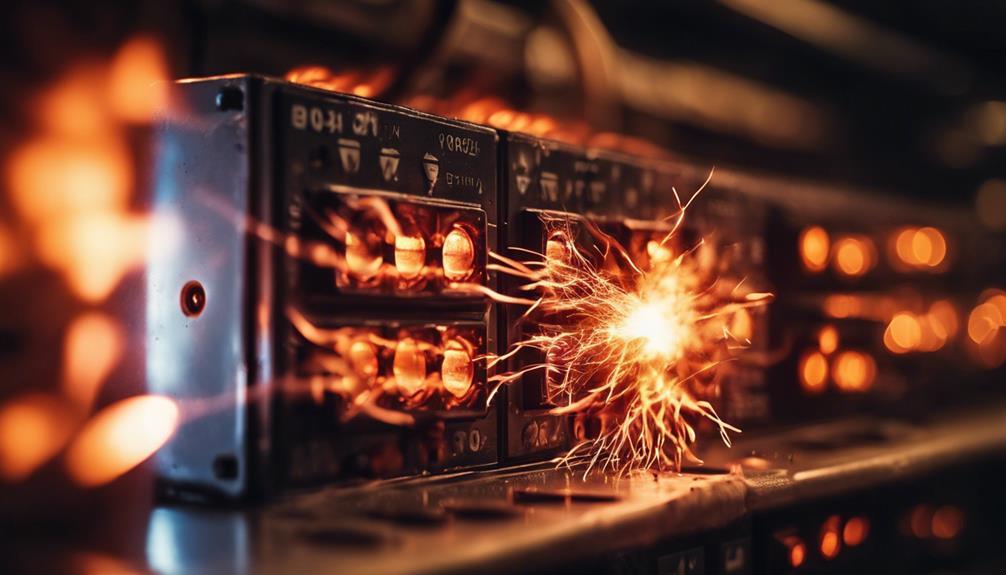
Understanding arc flash begins with recognizing it as a high-temperature explosion caused by electrical current deviation. This phenomenon can reach temperatures exceeding 35,000°F, posing significant risks to anyone nearby.
As a worker, you must know electrical equipment’s potential arc flash hazards. The intense energy released during an arc flash can cause severe burns, eye and lung damage, hearing loss, and even blindness.
Safety measures are important to mitigate these risks. Wearing the right protective equipment, such as flame-resistant clothing, helmets, and face shields, can greatly reduce the chances of severe injury. Knowing the flash protection boundary is also essential. This boundary defines the safe distance from potential arc flash hazards to avoid life-threatening injuries.
Conducting an arc flash study helps identify the risks and energy levels associated with your electrical systems. This analysis assists in establishing safety protocols and protective measures tailored to your work environment.
Causes of Arc Flash
Arc flash incidents often occur due to equipment failure, electrical system surges, or faults within the system. These incidents pose significant arc flash hazards, including severe burns and fatalities. Equipment failures, such as worn-out insulation or malfunctioning circuit breakers, can trigger these dangerous events.
Electrical surges, often caused by lightning or power grid malfunctions, can also lead to arc flash incidents. Performing live work on faulty equipment increases the risk of arc flash. Using un-insulated tools or dropping metal parts onto energized components can create a direct path for electrical current, resulting in an arc flash.
Loose connections within electrical systems are another common culprit, as they can cause electrical faults leading to arc flash hazards. Human error and lack of proper maintenance further contribute to these incidents. Environmental factors, such as moisture or dust, can degrade equipment over time, increasing the likelihood of failure.
Understanding arc flash safety and the importance of using appropriate protective equipment is vital. While you can’t always prevent arc flashes, recognizing their causes helps mitigate risks and improve workplace safety. Always prioritize safety protocols to minimize these dangerous electrical hazards.
Preventive Measures

To prevent arc flash incidents effectively, conduct regular arc flash studies to determine incident energy levels and establish safety boundaries. These studies help you understand the risks in your workplace and set clear arc flash boundaries to keep everyone safe.
Accurate equipment labeling is essential. Ensure all machinery and electrical panels have up-to-date labels indicating the potential incident energy levels. This lets workers know what kind of Personal Protective Equipment (PPE) they need before starting work.
Training is another key preventive measure. Ensure your team undergoes thorough training on safety protocols, including proper use of protective equipment and PPE training. Workers should also be well-versed in risk assessment techniques to identify and mitigate hazards effectively.
Implementing and following strict safety protocols is vital. Establish and enforce safety boundaries, ensuring everyone is safe from high-risk areas. Regularly review and update these protocols to adapt to any changes in the work environment.
Personnel Protection
Ensuring personnel protection is the next step after establishing preventive measures against arc flash incidents. The best approach is to focus on providing appropriate PPE to safeguard workers from the dangers of arc flash.
Arc flash protection includes wearing protective clothing, gloves, face shields, and safety glasses. These items must have specific arc flash ratings to effectively shield against an arc flash event’s thermal hazards and incident energy.
Properly fitted PPE is essential. It ensures full coverage and minimizes exposure to arc flash heat and energy, reducing the risk of severe burns. Regular inspections are important; replace any damaged or worn PPE to maintain its effectiveness.
Don’t forget to train your personnel on selecting, using, and maintaining their PPE. Knowledgeable workers are your first defense in mitigating arc flash risks and ensuring safe work environments.
Arc flash labels and understanding the arc flash boundary are equally important. These labels provide critical information on the level of incident energy and the necessary PPE. By adhering to these guidelines, you can significantly reduce the risk of arc flash and create a safer workplace for everyone.
Standards and Regulations
Understanding the landscape of standards and regulations is essential for effectively managing arc flash hazards and protecting your workforce. OSHA provides critical guidelines for arc flash protection in the workplace, emphasizing the need for robust safety measures.
To complement these guidelines, industry standards like NFPA 70E, CSA Z462, IEEE 1584, and UL safety standards offer detailed regulations and best practices for electrical safety.
NFPA 70E and CSA Z462 focus on electrical safety in the workplace, providing procedures for hazard analysis and risk assessment related to arc flash incidents. IEEE 1584 is instrumental in hazard prediction, offering methodologies to calculate arc flash energy, which helps design safer electrical systems. UL safety standards ensure that electrical products are tested and certified for safety, reducing the risk of arc flash incidents.
Collaboration between organizations like IEEE and NFPA leads to continuous improvements in safety standards and a deeper understanding of arcing faults. Adhering to these specific regulations and standards can greatly reduce arc flash risks, protect workers, and maintain a safe work environment.
Compliance safeguards your team and ensures your operations run smoothly and efficiently.
Frequently Asked Questions
What Is an Arc Flash?
An arc flash is an electrical discharge that results in a high-energy explosion. During flashover incidents, temperatures can soar past 35,000°F, causing extreme heat exposure and light emissions.
To guarantee electrical safety, you need proper PPE requirements and strict safety protocols. You should also conduct regular risk assessments and maintain equipment to minimize incident energy.
Flash protection is essential to prevent injuries like burns, eye damage, and hearing loss.
At What Voltage Can Arc Flash Occur?
Arc flash incidents can occur starting as low as 120 volts. Understanding this is crucial for workplace safety. You must follow safety guidelines and conduct a risk assessment to identify voltage thresholds.
Always use proper protection gear to prevent electrical hazards. Energy release from equipment failure can be dangerous, so establish clear flash boundaries. Incident prevention guarantees that your workplace remains safe and compliant with electrical safety standards.
What Is Arc Flash Cause and Effect?
Electrical hazards can lead to severe consequences, such as heat exposure and energy discharge. A current fault can cause an arc flashover, releasing extreme temperatures.
To prevent incidents, conduct risk assessments and emphasize safety training. Use proper protective equipment to guarantee workplace safety. Incident prevention involves maintaining equipment and understanding potential faults.
Implementing these measures will help safeguard against the dangerous effects of electrical hazards.
Is an Arc Flash Like Lightning?
No, an arc flash isn’t like lightning. While both involve electrical discharge, the key differences lie in their causes and effects.
Lightning is a natural event with high voltage differences from the sky, whereas an arc flash results from industrial accidents.
The thermal energy released in an arc flash can exceed 35,000°F.
Implementing electrical safety protocols, using personal protection, and maintaining safety measures are essential to prevent such energy releases and guarantee safety.
Conclusion
By understanding arc flash and its causes and implementing preventive measures, you can create a safer work environment.
Always prioritize personnel protection with appropriate gear and adhere to established standards and regulations.
Remember, ongoing training and awareness are essential in preventing arc flash incidents.
By staying informed and vigilant, you’ll greatly reduce the risks of this dangerous electrical phenomenon.
Stay safe and proactive in your approach to electrical safety.
FAQs
1. What is an arc flash?
An arc flash is a dangerous electrical event where an electric current leaves its intended path and travels through the air between conductors or from a conductor to the ground. This can result in a sudden release of energy, producing intense heat, light, and pressure, which can cause severe injuries, burns, and even fatalities.
2. What causes an arc flash?
Various factors, including equipment failure, faulty installation, accidental contact with energized parts, or insulation breakdown can cause arc flashes. Human error, such as improper tools or not following safety procedures, can also lead to arc flash incidents.
3. What are the risks associated with an arc flash?
The risks associated with an arc flash include severe burns, blindness, hearing loss, and physical injuries from the intense pressure wave. The heat generated by an arc flash can reach temperatures of up to 35,000 degrees Fahrenheit, causing life-threatening injuries and damage to equipment and property.
4. How can arc flash incidents be prevented?
Preventing arc flash incidents involves implementing comprehensive safety measures:
- Regular Maintenance: Ensure all electrical equipment is inspected and maintained to prevent faults and failures.
- Proper Training: Provide thorough training for employees on arc flash hazards, safe work practices, and emergency procedures.
- Personal Protective Equipment (PPE): To reduce injury risk, wear appropriate PPE, such as flame-resistant clothing, gloves, face shields, and hearing protection.
- Labeling and Signage: Label all electrical panels and equipment with arc flash hazard warnings and provide necessary information about required PPE and safety procedures.
- Risk Assessment: Conduct detailed risk assessments and arc flash studies to identify potential hazards and implement mitigation strategies.
5. What should you do in the event of an arc flash?
In the event of an arc flash, take the following steps:
- Evacuate the Area: Quickly move away from the arc flash source to a safe distance.
- Seek Medical Attention: Immediately seek medical help for injuries, especially burns or other severe conditions.
- Follow Emergency Procedures: Follow your workplace’s emergency response plan and report the incident to the appropriate authorities for further investigation and prevention measures.
Understanding the risks and implementing proper safety measures can significantly reduce the likelihood of arc flash incidents, ensuring a safer working environment for everyone involved.